
REVIEW · ELEPHANT ORPHANAGE TOURS
Elephant Orphanage, Giraffee Center, Karen Blixxen Meseum
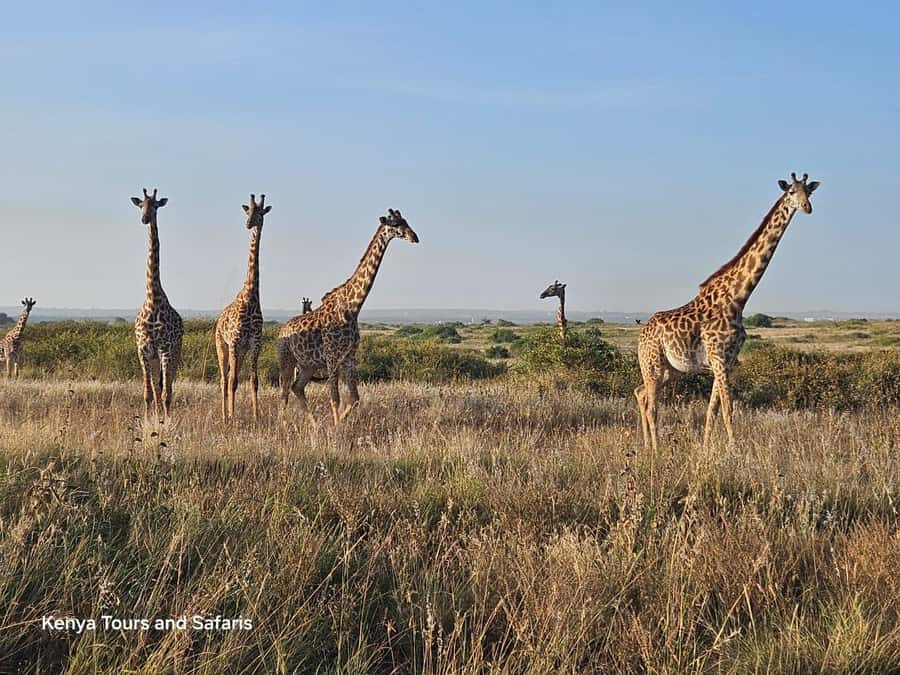
A half day with giraffes and baby elephants. This tour knits together three very different experiences, from giraffe feeding to the David Sheldrick nursery, then finishes with Karen Blixen and her Out of Africa story. What I like most is the up-close animal care at the elephant center and the chance to see Rothschild giraffes up close in a semi-wild set up. One thing to watch is budget creep, since several entry fees and the Nairobi National Park conservation fees are not included, and lunch is on you.
I also like the pacing. You get a hotel pickup, a safari-style mini van with an open roof, and a guided circuit that fits into a 5-hour block. The day is run in English, and it is designed so you can focus on the animals and the stories without figuring out routes or timing on your own.
One more consideration: this is not a sit-and-relax excursion. You will do walking around the centers, stand for feeding moments, and manage sun and dust. If you are pregnant, this one is not suitable.
In This Review
- Key highlights you will care about
- From Nairobi pickup to the animal zones, how this half-day actually works
- Giraffe Center: Rothschild giraffes, calm feeding, and conservation talk
- David Sheldrick Elephant Orphanage: milk bottles, water play, and personal elephant stories
- Karen Blixen Museum of Out of Africa fame: how the cultural stop lands
- Price and value: what $34 covers, and where extra fees may apply
- Timing, what to pack, and who should skip this tour
- Should you book this Nairobi animal day plus Out of Africa context?
- FAQ
- How long is the tour?
- Is hotel pickup and drop-off included?
- Will I have a guide, and what language is it in?
- What is included in the price?
- What extra costs should I plan for?
- Is it suitable for pregnant women?
Key highlights you will care about
- Guaranteed elephant entry for the baby elephant portion, which helps you plan your day
- Rothschild giraffes at the Giraffe Center, with calm feeding time built in
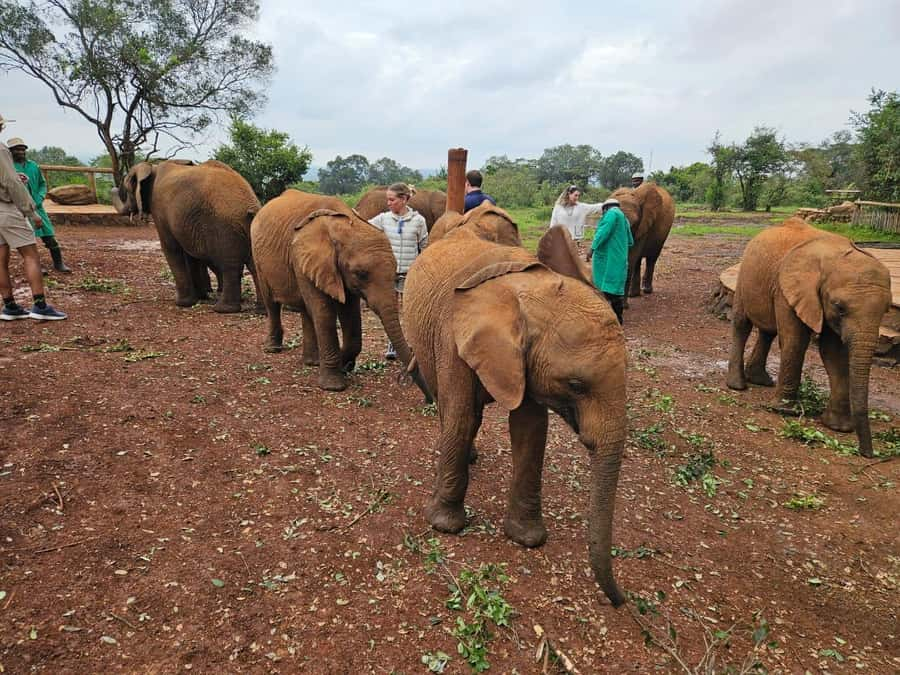
- David Sheldrick care routines, including youngest elephants being fed and watched as they play in water
- Elephant personal stories, so you learn why each calf is there
- Out of Africa era context at the Karen Blixen Museum, a cultural stop that adds meaning to the animal day
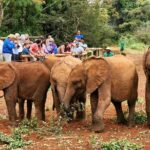
Further bookings at the elephant nursery
From Nairobi pickup to the animal zones, how this half-day actually works
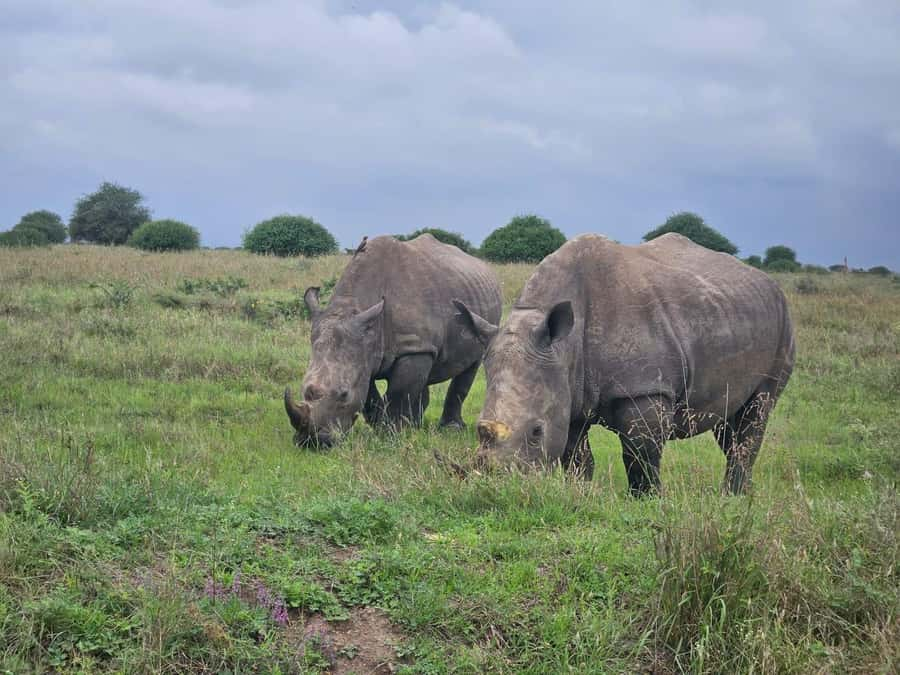
Your day starts with pickup from your Nairobi hotel. That matters here because you are hopping between three separate places, and Nairobi traffic can be unpredictable. With the included driver-guide and safari mini van with an open roof, you are not stuck in a closed box either. You get better visibility for passing scenes, plus it feels more like you are doing Kenya, not just commuting.
Expect the route to follow a clear order: first the Giraffe Center, then David Sheldrick Elephant Orphanage (David Sheldrick Wildlife Trust), and finally the Karen Blixen Museum. Doing giraffes first is smart, because your energy is usually best at the start. You get your gentle animal fix, then you shift to the more emotional, fast-paced elephant feeding time.
The total time is 5 hours, so this is not a slow, linger-all-day kind of outing. You will likely be moving through each site in a scheduled way, with the best moments tied to feeding windows. That is why you should arrive on time at the meeting point. The tour info asks you to be there 15 minutes before it starts, and I agree with that. If you are even a little late, you can end up stressed, which is the exact opposite of what you want when you are about to see baby elephants.
Finally, you get bottled water included. Bring a sun hat and comfortable shoes. You will thank yourself when you are standing in open air for feeding moments and listening to the guide.
Giraffe Center: Rothschild giraffes, calm feeding, and conservation talk
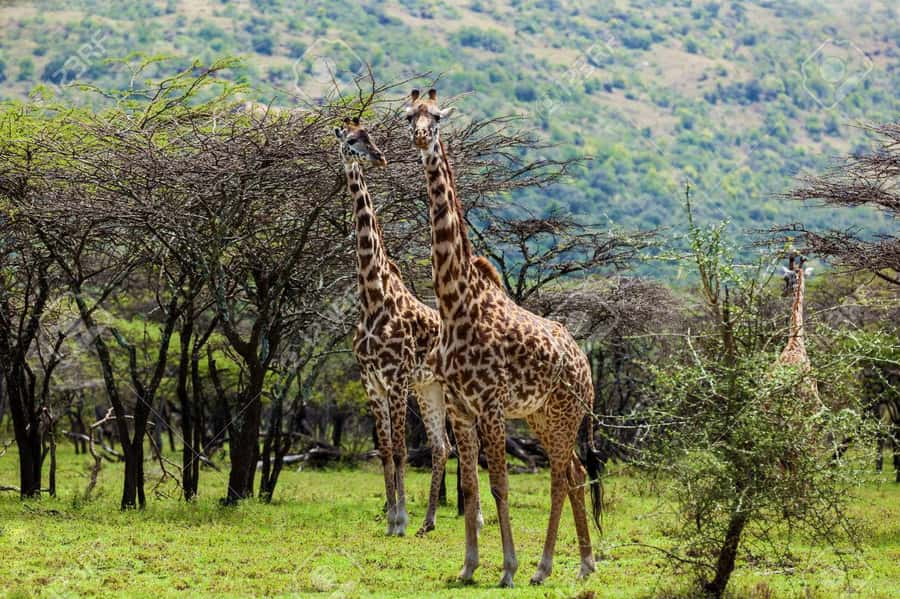
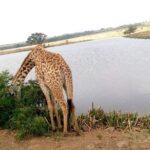
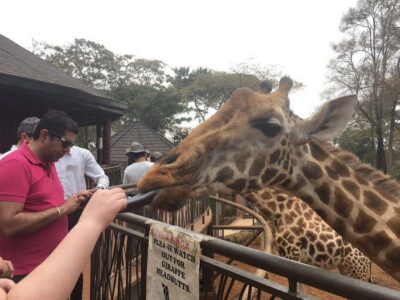
The Giraffe Center is where your day turns quiet and gentle. You get to see giraffes living in a semi-wild setting, rather than only viewing them from behind fences. The guide-led approach also helps you notice details, like how they behave when people are nearby and what makes their feeding routine different from, say, a zoo show.
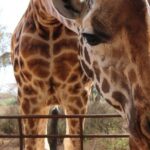
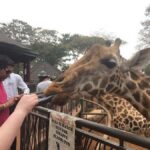
What I like about this stop is the combination of close viewing and information. You learn about giraffe behaviors and traits, and you also get a real thread of conservation effort instead of only watching animals eat. Then comes the hands-on part. You have the chance to feed these gentle giants, which is usually the moment people remember most from the whole day.
A practical note on budgeting: the Giraffe Center entry fee is listed as an additional cost. So even though your tour organizes the day, you should plan for extra charges on top of the base price. If you are the type who hates surprise payments, I would set aside the giraffe fee plus whatever else comes up for the elephant and museum stops.
Also, keep expectations realistic. You are not in control of the exact time you spend there. With a half-day schedule, your time at the center is designed to fit the overall flow. That means you should look first, then ask questions when the guide is ready. If you want photos, have your camera ready, because feeding moments can be quick.
If you come from Nairobi expecting chaos, the Giraffe Center can feel like a breath of calm. Just remember: giraffes are animals. Keep a relaxed posture, follow instructions, and let the feeding happen without crowding.
David Sheldrick Elephant Orphanage: milk bottles, water play, and personal elephant stories
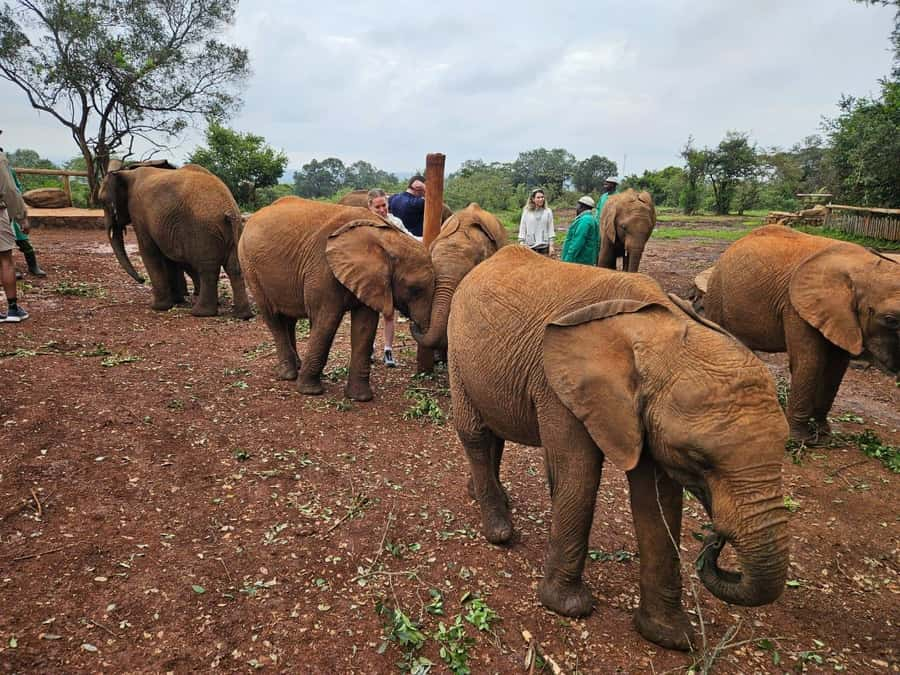
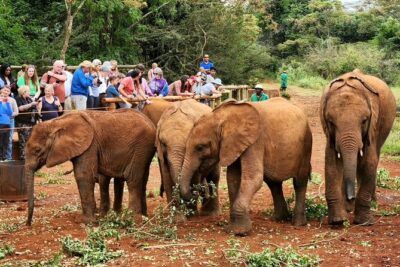
David Sheldrick Elephant Orphanage is the emotional anchor of this tour. This is where you get to see baby elephants waiting to be fed and learn how care works day to day. You do a walk through the center while elephants are brought in for feeding, and the atmosphere is busy in a purposeful way.
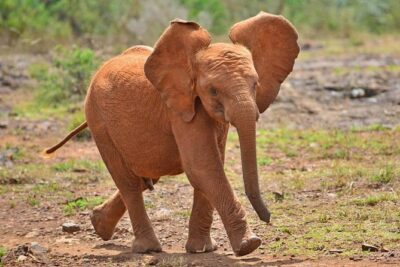
Here is the part that makes the experience special: the feeding is not treated like a random spectacle. It is organized, timed, and explained. You will watch baby elephants as they play, including water time where you can see them interact in a natural, energetic way. You can also see the feeding process closely, including how they gargle their milk. That is one of those oddly specific details that sounds strange until you are actually watching it.
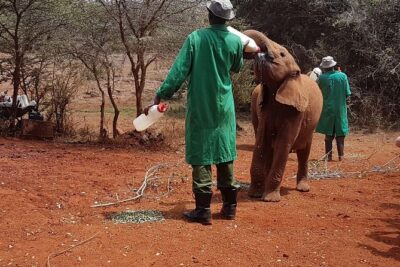
Then the day keeps moving to older youngsters, around the 2 to 3-year range. At that stage, some elephants are old enough to feed themselves. Watching them hold those huge milk bottles in their trunks and take quick care of several gallons of milk is the kind of moment that turns your brain off and your heart on.
What I especially appreciate is the personal storytelling. Each elephant has a personal story you can discover during the walk. That matters, because it helps you see conservation and rescue as a human-and-animal system, not just a bunch of cute calves. It is also why the elephant section being guaranteed is such a big deal. Orphanage feeding times are what they are, and having your entry secured helps you avoid disappointment.
Two practical considerations. First, wear comfortable shoes. You are walking and standing. Second, the elephant portion has an additional baby elephant fee listed, even though the tour includes a guaranteed entry ticket for the baby elephant experience. In plain terms: you should still budget for the elephant admission amount that applies.
If you want a smoother experience at this stop, focus your questions on the care routines and what the guide says about behavior and development. It turns random minutes into something you can remember.
One more bonus, based on past guide behavior: some guides have been known to add extra stops like a bead factory. That is not guaranteed, but if it happens, it is usually a chance to buy small crafts and support local work without turning it into a full shopping detour. If you prefer not to shop, just make it clear early.
Karen Blixen Museum of Out of Africa fame: how the cultural stop lands
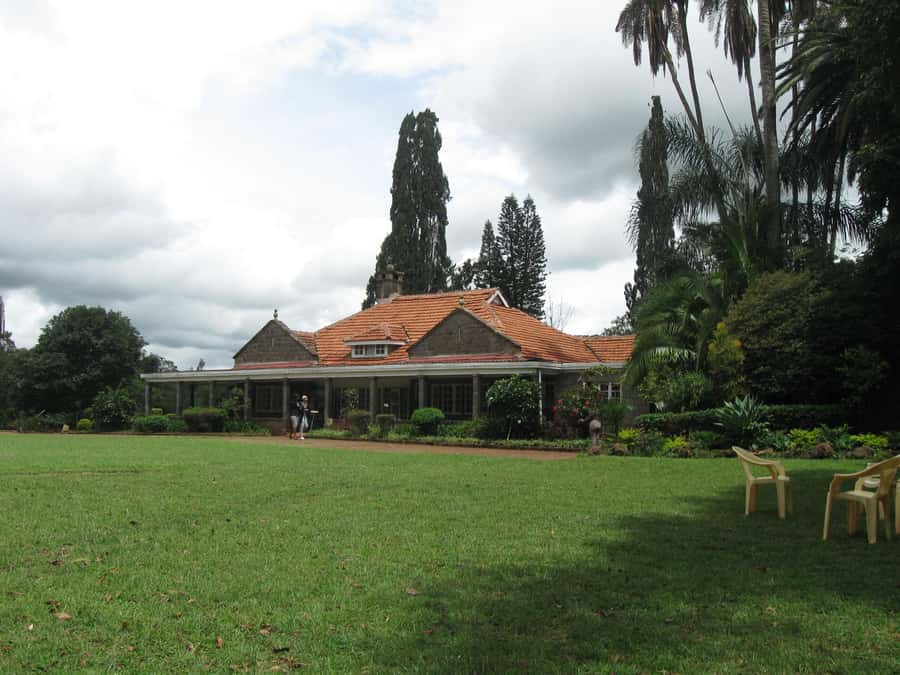
After elephants and giraffes, the Karen Blixen Museum is a change of pace. This is where the tour shifts from conservation education to cultural context, with the museum tied to Out of Africa and Karen Blixen’s story.
I like this pairing because it gives you a fuller picture of Kenya beyond the animal moments. The elephant day explains rescue and care in the present tense. The museum stop helps you understand how the country has been seen, written about, and mythologized in popular culture. Even if you are not a die-hard fan of the film, the museum works well as a mental reset after emotional animal encounters.
The museum entry fee is listed as an additional cost, so plan for that. This is not a free add-on. Also, museum visits can be slow or fast depending on your interests. If you are the type who reads every placard, you may spend longer than expected. If you are more of a highlights-only person, you can keep it efficient and preserve energy for the ride back.
One practical tip: if you are photo-heavy, keep your camera accessible for the museum, because this stop can be more visually interesting than people expect. Another tip: if the tour schedule includes time around souvenir areas, decide before you arrive how much shopping you want to do. A longer souvenir stop can eat into your museum time, so it helps to be intentional.
Overall, this final stop is a good way to end the day. You leave with animal memories, plus a story about how Kenya became part of global imagination.
Around Karen, the museum house and its grounds
Price and value: what $34 covers, and where extra fees may apply
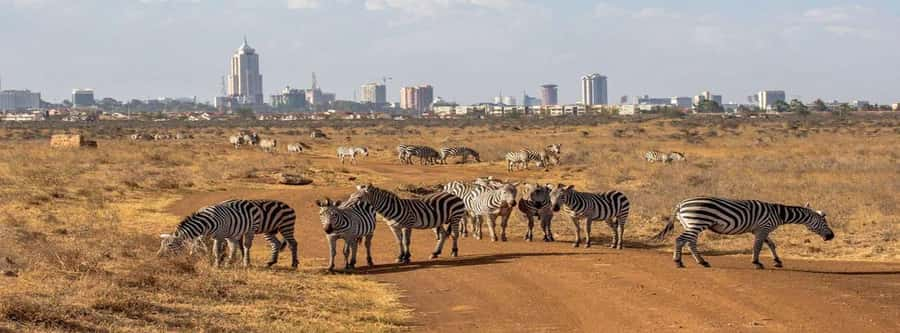
Let’s talk money like adults. The tour price is listed at $34 per person for a 5-hour experience. That base price feels like decent value if you care about convenience and having a guide handle the flow.
Here is what you are getting for that price:
- hotel pickup and drop-off
- a driver-guide
- a safari mini van with an open roof
- bottled water
- guaranteed entry ticket for the baby elephant portion
That set of inclusions reduces stress. Instead of paying for separate taxis, trying to coordinate entrances, and hoping you do not miss feeding windows, you get a structured circuit with a guide and transport ready.
But you should also budget for extra charges, because several items are listed as not included:
- Nairobi National Park conservation fees, listed at $80 per person plus $2 processing fee (credit card via the Kenya Wildlife Service eCitizen link)
- baby elephant admission (listed as $20)
- Giraffe Center admission (listed as $15)
- Karen Blixen Museum admission (listed as $12)
- lunch
The big value question is how you compare this to DIY. If you were to arrange transport plus separate tickets on your own, it is likely you would spend time coordinating and risk missing the right moments. This tour also takes the guesswork out of what to do in what order. For many first-time Nairobi visitors, that time savings is worth real money.
That said, the extra conservation fee and multiple admission prices can make the total day feel pricier than the headline number. If you are traveling on a tight budget, I would do a quick math check before booking. If you are comfortable with one paid half-day and a few additional entries, this is still a strong way to see a lot without a full day schedule.
Timing, what to pack, and who should skip this tour
This tour is 5 hours, and the schedule is built around animal feeding and guided viewing. That means you should treat it like a timed activity, not a casual drop-in.
Arrive at the meeting point 15 minutes before the start. It sounds basic, but it prevents the kind of confusion that can happen when pickup timing and meeting points get mixed up. Keep your phone ready for communication if needed, and be dressed so you can step out quickly.
What to bring is simple:
- comfortable shoes for walking and standing
- a sun hat for open-air time
Bottled water is included, so you do not have to chase it right away. Still, if you have a sensitive stomach or you like extra water during active days, it is fine to bring more, since lunch is not included.
One important health note: it is not suitable for pregnant women. That is the kind of restriction you should take seriously, because walking around animal centers and being in vehicles can be uncomfortable or unsafe depending on the pregnancy and your comfort level.
Also, remember that you will spend time outdoors and around animals. Dress for sun and be prepared for a day that is more active than you might picture from the length alone.
Finally, if you care about smooth guidance, the tour includes a live English-speaking guide. That helps with the elephant and giraffe behavior explanations, and it also makes it easier to understand what is happening during feeding moments.
Should you book this Nairobi animal day plus Out of Africa context?
I would book this if you want a concentrated Nairobi experience. You get a chance at close-up elephant care, the chance to feed Rothschild giraffes, and a cultural finish at the Karen Blixen Museum. It is a great option for animal lovers who do not want to commit to a full day itinerary to see multiple highlights.
Book it too if you like structure. The pickup and guided flow reduce the headaches, and guaranteed elephant entry helps you plan with confidence. The open-roof mini van is a nice bonus if you enjoy the feel of being out on the move.
Skip or think twice if you are very budget-sensitive. With Nairobi National Park conservation fees plus separate admissions for elephants, giraffes, and the museum, the all-in cost can rise quickly. Also, if you hate walking and standing, this might feel like too much for a half-day.
If you are deciding between doing animals only versus adding culture, I like the balance here. Elephants and giraffes can take over your brain in the best way. Then the museum gives you context and a calmer landing before the ride back.
FAQ
How long is the tour?
The total duration is 5 hours.
Is hotel pickup and drop-off included?
Yes. Pickup is included at your hotel, and the tour includes drop-off as well.
Will I have a guide, and what language is it in?
Yes, you will have a live tour guide. The tour is in English.
What is included in the price?
Included items are pickup and drop-off, a driver-guide, an open-roof safari mini van, bottled water, and a guaranteed ticket for the baby elephant.
What extra costs should I plan for?
Nairobi National Park conservation fees are not included (listed as $80 per person plus $2 processing fee). Baby elephant admission ($20), Giraffe Center admission ($15), and Karen Blixen Museum admission ($12) are also listed as not included. Lunch is not included either.
Is it suitable for pregnant women?
No, it is listed as not suitable for pregnant women.
More Tour Reviews in Nairobi





Out in Karen


Back at the Elephant Nursery


Everything else we hold on Nairobi
- 7 Days Private 4 star lodges Safari by LandCruiser from Nairobi★ 5.0 · 3 reviews
- 5 Days/4 Nights Kenya Safari★ 4.5 · 3 reviews
- Safari Park Hotel Show & Dinner Experience In Nairobi Tour★ 3.6 · 3 reviews
- Day safari to Olpejeta Rhino conservancy★ 5.0 · 3 reviews
- 7 Days Breathtaking Kenya Wildlife Private Safari★ 5.0 · 3 reviews
- Overnight Amboseli National Park Safari from Nairobi★ 5.0 · 3 reviews
Elephant Orphanage Tours, compared.
 ★ 4.5Elephant Orphanage and Giraffe Center Tour with OptionsFrom $35457 reviews
 ★ 4.6Nairobi National Park, Elephant Orphanage and Giraffe CentreFrom $40365 reviews
 ★ 4.5From Nairobi: Elephant Orphanage and Giraffe Center Day TripFrom $90235 reviews
 ★ 4.5Elephant Orphanage & Giraffe Centre TourFrom $95225 reviews
 ★ 5.0Half day tour to Elephant orphanage & Giraffe Centre NairobiFrom $95130 reviews
 ★ 4.5Nairobi: National Park, Elephant Orphanage & Giraffe CenterFrom $23113 reviews
 ★ 4.5Giraffe Centre, Elephant Orphanage, and Bomas of Kenya Day Tour from NairobiFrom $11596 reviews
 ★ 5.0Giraffe Center, Elephant Orphanage, Beads Center & Bomas of Kenya Tour NairobiFrom $13595 reviews
Appears in these lists