
REVIEW · DIANI BEACH TOURS
Diani Beach: Village tour on a bike with hotel pick-up
First bikes, then real village life. This 4-hour Diani community ride pairs safe local guidance with hands-on moments like climbing a coconut palm and meeting the herbalist, so you see daily life up close. One thing to plan for: the streets can be hilly and parts may feel bumpy, so it is not a good fit if you have mobility limits or you’re pregnant.
I also like that you are not just watching from the curb. You pedal through places you might miss on your own, including the market and a school stop, and you get time to pause for photos without feeling rushed. Guides you can understand, like Herbert, Hamisi, and Justino (names I’ve heard tied to excellent days), keep the energy friendly and the pace realistic.
In This Review
- Key highlights worth knowing
- Why pedaling Diani feels more real than just driving
- The 4-hour flow: Bazaar to Ukunda, with village time in between
- Pickup, bikes, and safety gear that actually matter
- Diani Bazaar: your first taste of local commerce
- Ukunda streets and a well-timed photo pause
- School visit: meaningful and practical, especially if you bring supplies
- Mangrove conservation: the coast has a job to do
- The village moments: coconut climbing, cashew prep, and local cooking
- Meeting the traditional herbalist, or bush doctor
- How safe is the ride, and what could be tough
- Price and value: what $64 covers in a half-day
- What to bring, how to act, and how to get the most out of it
- Should you book this Diani village bike tour?
- FAQ
- How long is the Diani village bike tour?
- What does the tour cost?
- Where is the pickup location?
- What is included in the price?
- What is not included?
- What stops are part of the tour?
- Is the traditional herbal doctor visit included?
- What languages are the guides?
- Is it suitable for everyone?
- What cancellation and payment options are available?
Key highlights worth knowing
- Hotel pickup in Diani means you start relaxed and spend your energy biking, not finding the meeting point
- Market and school stops give you a practical look at everyday needs, not just scenic sights
- Village activities like coconut and cashew moments are short, guided, and fun
- Traditional herbalist visit shows how local healing traditions work in everyday terms
- Mangrove forest conservation ties the coastline to the environment people protect
- Two-to-three guide attention keeps the ride manageable, especially on uneven bits
What else gets booked out of Diani
Why pedaling Diani feels more real than just driving
Diani is easy to romanticize from the beach, but bike travel changes your perspective fast. On wheels, you move at the pace of the neighborhood: people call out, shops open and close, kids walk home, and you pass small routines that a car never slows down for.
The best part here is the balance. You are still in a guided experience, with safety gear and a team that keeps everyone together, but you also get the freedom to stop, walk a bit, and look around properly. It feels like you are learning the place rather than ticking off stops.
The other big plus is that this tour is built for close interaction. You are not just looking at culture from behind a barrier. You visit community spaces like the market and school, and you meet a traditional healer in a way that is designed to be understandable, not staged.
The 4-hour flow: Bazaar to Ukunda, with village time in between
The ride is structured, but it does not feel like a strict checklist. You start with pickup, then you head out for a guided safety talk. After that, the day moves through a mix of busy and quiet scenes, including market walking time, neighborhood street views around Ukunda, and community visits deeper in.
A typical timing rhythm looks like this:
- A safety briefing at Diani Bazaar (about 20 minutes) so you know the rules of the road and how the group moves
- A photo stop and guided sightseeing around Ukunda (about 30 minutes)
- Another Ukunda visit and walk (about 30 minutes) before you pedal back toward Diani
What makes it worth your time is what sits between those anchor points. You also get a market stop, a school visit, mangrove forest time tied to conservation, and village activities that can include coconut climbing and cooking moments. In other words, you get both the everyday street view and the “how life works” details.
Pickup, bikes, and safety gear that actually matter
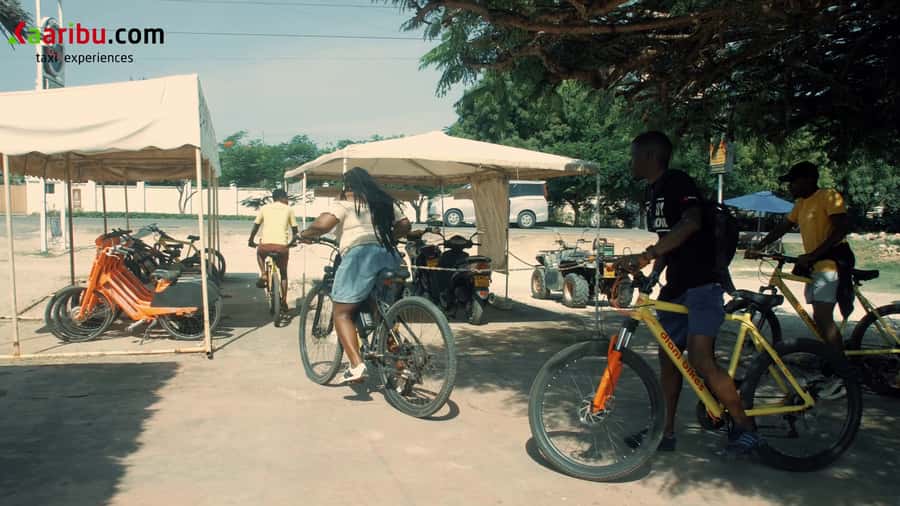
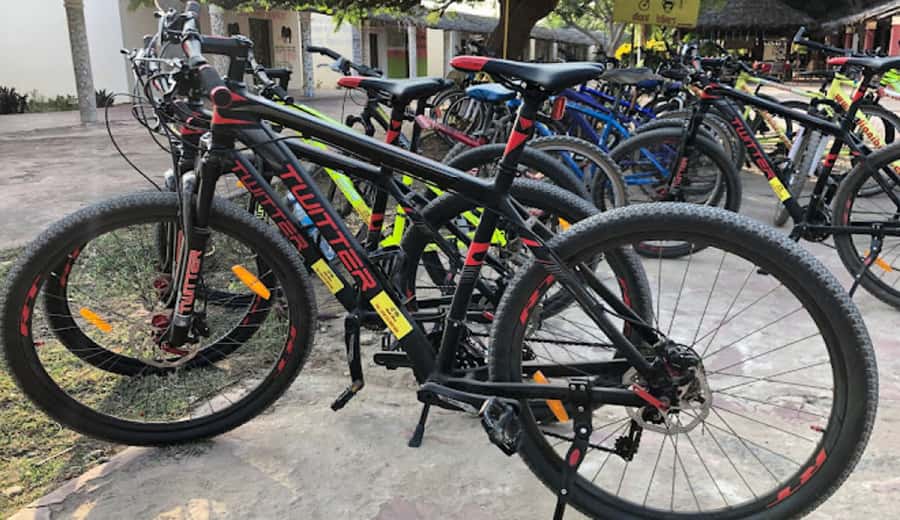
This tour is designed for comfort at the start. Hotel pickup and drop-off are included for any accommodation in Diani, so you do not waste your morning hunting a meeting place. When you arrive, you get the bike rental and safety gear, then you get a clear safety briefing before you head out.
Practical tip: wear comfortable shoes and comfortable clothes. You are not dressed for a beach stroll. You are dressed for short walking segments plus time on the bike, and you will appreciate breathable clothing once you start moving.
If you worry about skill level, relax a bit. The ride is guided, and the route is described as safe to pedal along Diani streets with adequate guidance. Still, the terrain can be hilly, and some sections can feel less smooth than you’d want on a road-bike. If you are sensitive to uneven pavement, take it slow when the guide indicates.
Diani Bazaar: your first taste of local commerce
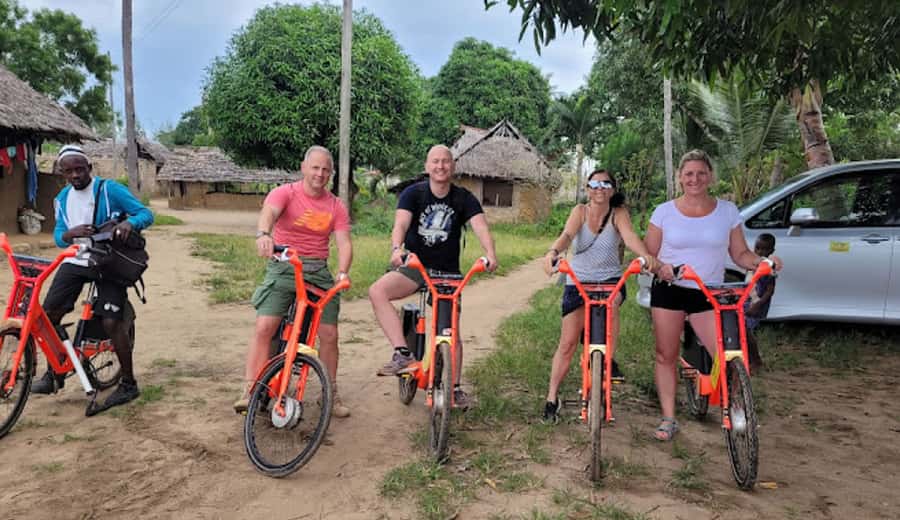
Diani Bazaar is where the day opens up and where you get your bearings. It is also where you see the style of trading people rely on for day-to-day basics. Expect a market atmosphere, with local groceries and everyday goods you’d rarely notice if you only walked along the seafront.
You get guided market time, plus some walking as part of the experience. In practice, this is where the tour earns its value. Markets can turn into chaos on your own, but with a guide, you understand what you are looking at without feeling lost.
One thing to keep in mind: you may be asked for small contributions at stops. This is part of how community visits work. The good approach is simple, follow your guide’s cue, and treat it as optional support rather than a pressure moment.
Ukunda streets and a well-timed photo pause
Ukunda is the “in-between” world where you see normal life outside the beach strip. You get time for a photo stop and a sightseeing guide segment, then another walk and visit block. Those pauses matter because they let you look without constantly stopping and starting yourself.
What you’ll likely notice is how quickly the neighborhood changes once you leave the most tourist-heavy lanes. Shops, homes, and schools show up in ways that make the area feel lived-in, not staged for visitors. The guide helps you spot what is worth attention and keeps the pace realistic.
If you’re thinking about camera time, plan to grab photos when you safely can. The tour includes moments to hop off and take pictures, but you still want to stay aware of traffic and other cyclists in the group.
School visit: meaningful and practical, especially if you bring supplies
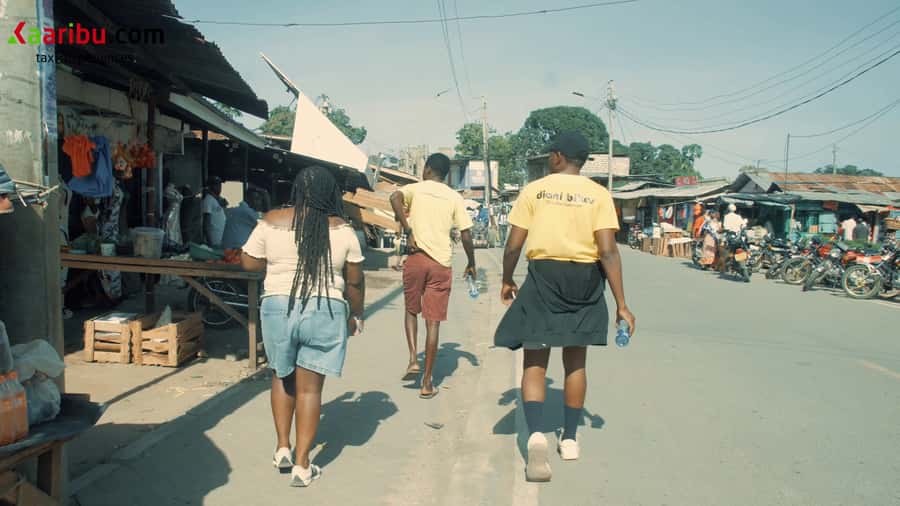
The school stop is one of the most memorable parts of the day for many people. You see a primary public school where local children attend, and you get a warm welcome that makes it clear the purpose is connection, not performance.
A smart, respectful idea is to bring basic school supplies if you can. Some visitors specifically highlight that supplies are needed more than sweets. The tour context matters here: the point is support you can actually use, handed over thoughtfully through the guide’s direction.
You should also expect some straightforward visitor etiquette. Keep it friendly, listen to what the guide suggests, and avoid turning the visit into a long filming session. A short, respectful interaction goes further than a pile of items.
Mangrove conservation: the coast has a job to do
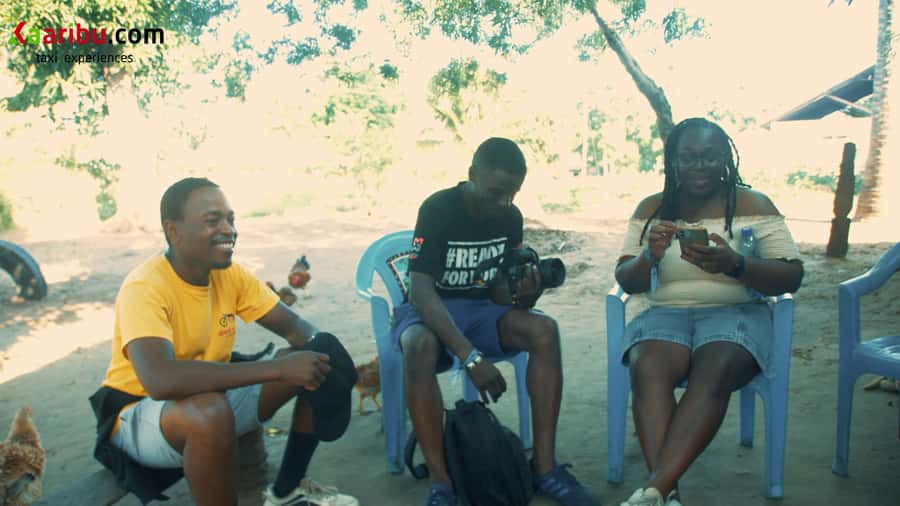
One stop that adds depth is the mangrove forest conservation segment. You are still on a bike route, but the experience shifts from community routines to environmental protection.
Mangroves matter because they are part of how the shoreline stays stable and how local ecosystems keep functioning. In a place like Diani, seeing conservation efforts in person helps you connect the beach view with the real work being done behind it.
This is also a “breather” moment. After market and school energy, walking or stopping near the mangroves gives your body a rest and your brain a new kind of context.
The village moments: coconut climbing, cashew prep, and local cooking
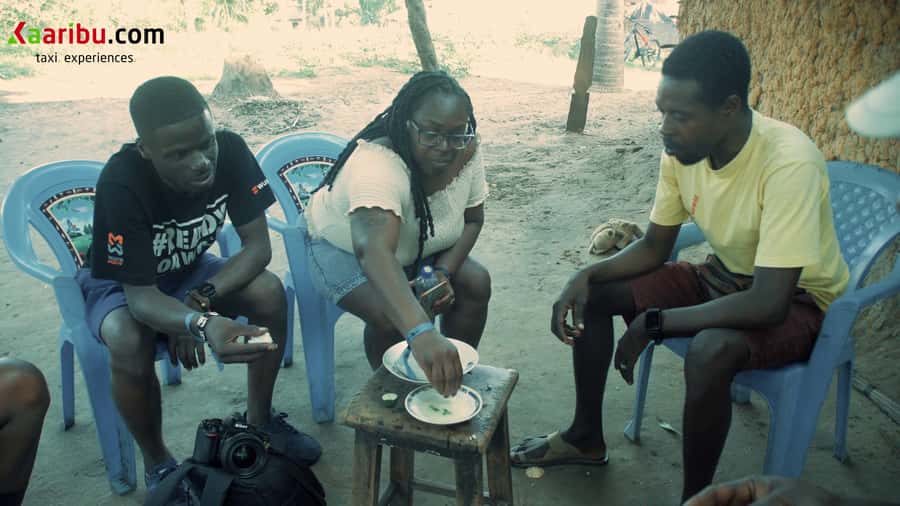
The village portion is where the tour turns from informative to genuinely fun. You may get to climb a palm tree, and you might see cashew nuts being prepared. There can also be cooking time with locals, along with cultural moments like dancing.
These activities are not treated like a circus act. They are guided interactions, and you’re expected to join in at a comfortable level. For many people, it is the most personal part of the day because you get to see the small steps behind everyday food and materials.
Practical reality check: palm climbing is not for everyone. Your guide will control the flow and help you take part safely. If you are not physically comfortable with heights or reaching, you can still watch, learn, and ask questions while staying safe and respectful.
Meeting the traditional herbalist, or bush doctor

The traditional healer visit is a major highlight. You meet the herbalist (also described as a bush doctor) as part of the tour, and you hear explanations of traditional healing techniques in a way that is meant to be clear for visitors.
This is a good stop for two reasons. First, it adds meaning to the rest of the day. You see daily life, food practices, and local spaces, then you understand another layer of how health and wellbeing are approached. Second, it gives you a conversation starter you can take back with you instead of just a photo memory.
Entry to the herbal doctor is included, and the guide is there to translate and contextualize. When a guide with a relaxed attitude like Herbert is involved, this part often feels less intimidating and more conversational.
How safe is the ride, and what could be tough
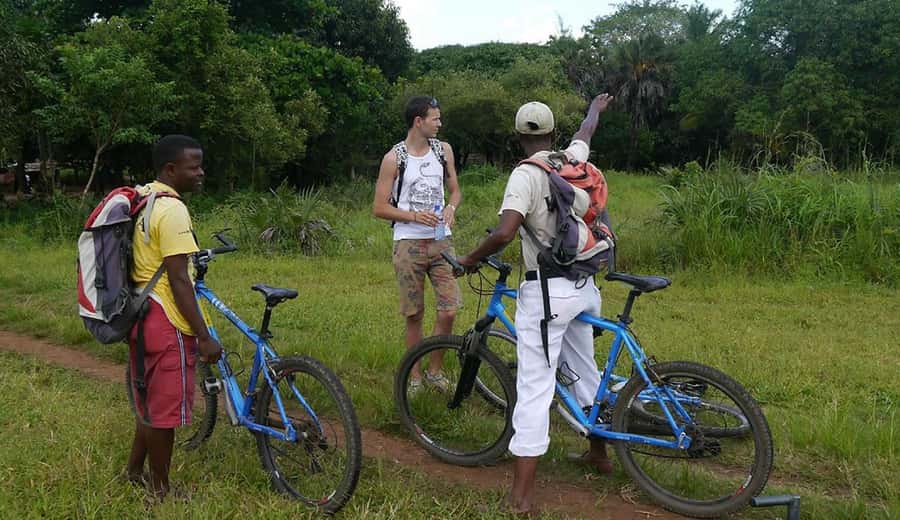
Safety is the theme of this tour, and the setup reflects that. You ride with guides, you get safety gear, and the route is described as safe to pedal along Diani streets with adequate guidance. Reviews also point out that groups often feel secure because guides stay close and multiple guides support the ride.
Still, be honest about your own comfort. The ride includes hilly sections and some uneven parts. If your legs tire easily, you may want an easier day from the start. If you’ve never biked before, tell your guide right away so they can adjust your pace.
Also note the limits: this tour is not suitable for pregnant women and it is not suitable for people with mobility impairments. That’s not a “maybe.” It is the stated guidance.
Price and value: what $64 covers in a half-day
At $64 per person for a 4-hour tour, value comes from what is included, not from squeezing every minute. You get hotel pickup and drop-off, bike rental, safety gear, bottled water, a guided village tour, and entry to the traditional herbal doctor.
You also get a guide team that supports multiple languages, with local English, German, and French-speaking capability mentioned, plus English as the live tour guide language. That matters because community visits are easier when you can actually understand what you’re seeing.
What you do not get is snacks and other drinks. The tour explicitly encourages bringing a snack. That is a small thing, but it changes how you feel midway through a ride. If you skip food, you’ll feel it.
What to bring, how to act, and how to get the most out of it
Keep it simple:
- Comfortable shoes and comfortable clothes
- A snack if you tend to get hungry during activities
- Follow your guide’s timing for photos and walking segments
- Be ready for modest, respectful support at community stops if asked
The biggest way to get more out of this day is to lean into curiosity. Ask short questions. Listen to the healer explanations. Pay attention at the school visit. When you treat the tour as learning, not consuming, the day feels richer.
And here is a small mindset shift that helps: you are not the main character on a community tour. You are a visitor with a role. That mindset makes interactions smoother, for you and for everyone you meet.
Should you book this Diani village bike tour?
Book it if you want a real local day that goes beyond the beach, and you like your travel active but guided. This is a strong choice for first-timers to Diani who want context: market life, school life, mangrove conservation, and a traditional healing visit.
Skip it if you need flat, easy movement, or if you fall under the stated limits around pregnancy or mobility impairment. Also skip it if you hate uneven roads and quick stops. The ride can be worth it, but it is not built as a slow, totally smooth cruise.
If you’re somewhere in the middle, the decision is easy. A 4-hour bike tour with pickup and cultural stops is a practical way to spend a day in Diani without feeling disconnected from the place you came to see.
FAQ
How long is the Diani village bike tour?
It runs for 4 hours.
What does the tour cost?
The price is $64 per person.
Where is the pickup location?
Pickup is from Diani Beach, and hotel pickup and drop-off are included for any accommodation in Diani.
What is included in the price?
You get a local English, German, and French-speaking guide, entry to the traditional herbal doctor, hotel pickup and drop-off, bike rental, safety gear, bottled water, and a guided village and market tour.
What is not included?
Snacks are not included, and other drinks are not included. The experience encourages bringing a snack.
What stops are part of the tour?
You can expect Diani Bazaar, a market, Ukunda photo and sightseeing time, a school visit, a village portion with local activities, a traditional herbalist (bush doctor) visit, and time connected to mangrove forest conservation.
Is the traditional herbal doctor visit included?
Yes, entry to the herbal doctor is included.
What languages are the guides?
The guide is described as local English, German, and French-speaking, and the live tour guide language is English.
Is it suitable for everyone?
It is not suitable for pregnant women and it is not suitable for people with mobility impairments.
What cancellation and payment options are available?
You can cancel up to 24 hours in advance for a full refund, and there is an option to reserve now and pay later.
More Tours in Diani Beach


More Tour Reviews in Diani Beach


Booked Out of Diani


Everything else we hold on Diani Beach
- (2 Days, 1 Night) Day & Night Game Drive Tsavo East National Park★ 5.0 · 3 reviews
- Kaya Kinondo Sacred Forest Guided Tour★ 4.4 · 3 reviews
- Overnight Safari to Tsavo East with Pick Up From Mombasa★ 5.0 · 3 reviews
- Mombasa City Tour – Fort Jesus, Old Town, Spice Town & Craft★ 5.0 · 3 reviews
- 4-Day Safari to Tsavo and Amboseli from Diani Beach★ 5.0 · 3 reviews
- 1 Day Red Elephant Safari starting from Diani beach.★ 5.0 · 3 reviews
Diani Beach Tours, compared.
 ★ 4.3From Mombasa/Mtwapa/Diani/Tiwi: Tsavo East Full-Day SafariFrom $200130 reviews
 ★ 4.6Diani Beach: Glass Boat Cruise to Robinson IslandFrom $4269 reviews
 ★ 4.8Diani: Sunset Canoe Tour along the River with MangrovesFrom $2865 reviews
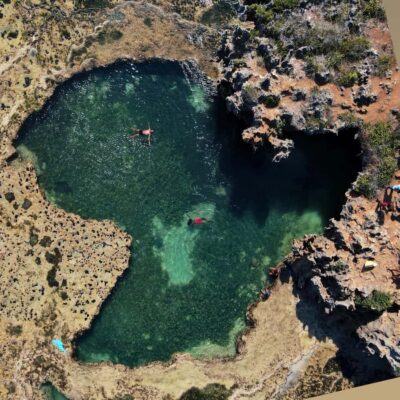 ★ 4.7Diani Beach: Private African Pool Map Guided TourFrom $3552 reviews
 ★ 5.02 Days Tsavo East National Park Tour From Mombasa/Diani (1 Night)From $50650 reviews
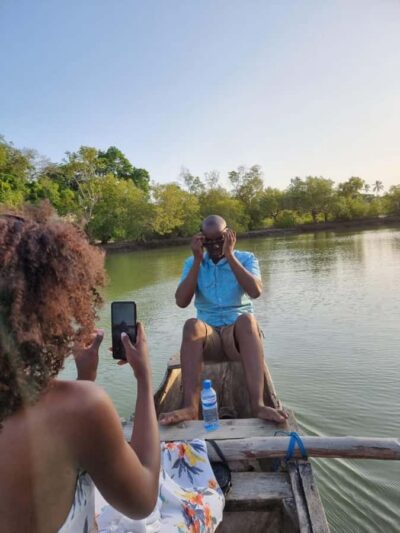 ★ 4.7Diani Beach: Kongo River Estuary Sundowner Boat TourFrom $4239 reviews
 ★ 4.9Overnight Tsavo East Safari From Mombasa/Diani (Private)From $50739 reviews
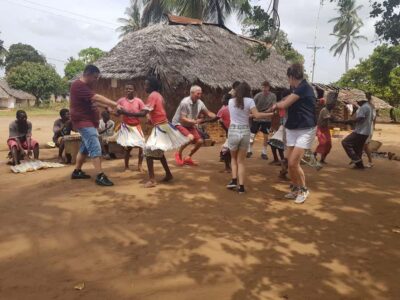 ★ 4.6Diani: Giriama Cultural Dance Show and Local Village TourFrom $3532 reviews
Appears in these lists