

REVIEW · KENYA
Cook and enjoy African meals with Moreen
Dinner starts with the market. With Moreen Imari, this day turns shopping for ingredients into a hands-on cooking lesson, and I love the market tour feel plus the relaxed, homey family table where you eat together.
One thing to plan for: transportation is not included, so you’ll want to handle getting to the meeting point.
You’ll likely cook classics such as ugali, pilau, sukuma wiki, and chapati, with a host who keeps things friendly in English and Swahili.
In This Review
- Why this cooking day feels like a family meal, not a class
- Market meet-up in Nairobi, then straight to ingredients
- Choosing your meal by shopping first
- The ride to Moreen’s home and what the setting adds
- Cooking Kenyan staples: ugali, pilau, sukuma wiki, and chapati
- Enjoying the meal together at the dining table
- What you’re actually getting for $59
- Practical notes before you go to Moreen’s kitchen
- Language and communication: English and Swahili help
- Who should book this cooking day, and who might skip
- Should you book Cook and enjoy African meals with Moreen
- FAQ
- Where does the experience start?
- Who leads the cooking experience?
- What’s included in the $59 per person price?
- What’s not included?
- What dishes might I cook?
- Do I get time to shop for ingredients?
- Are there any language options?
- Is it suitable for wheelchair users?
- Are there rules about what I can bring?
- Can I pay later or get a refund?
Why this cooking day feels like a family meal, not a class
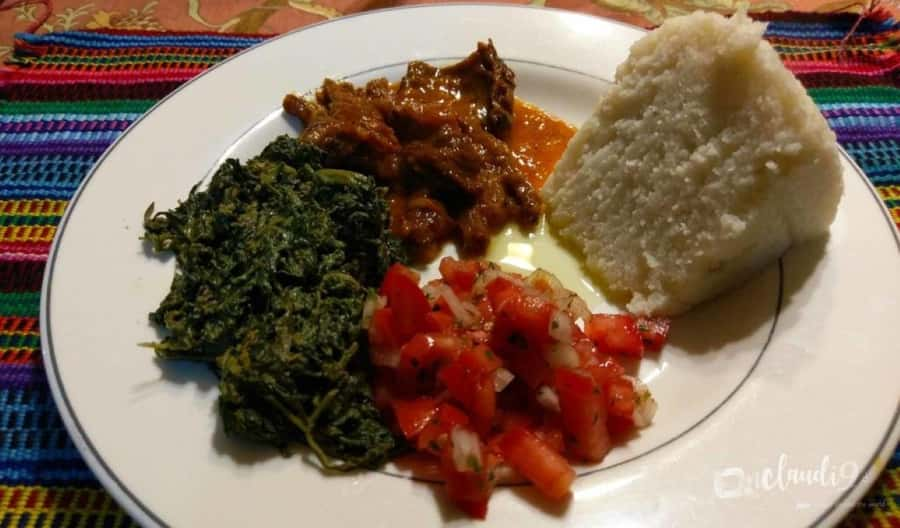
This is the kind of food experience that makes you slow down. You’re not just watching someone else cook, you’re buying the ingredients, learning what they’re for, and then cooking alongside Moreen’s family in a home setting.
The biggest win is how natural it feels. The vibe is homely, the host is lively, and the meal ends up genuinely delicious, not just good for the photo.
Shortlisting? These Nairobi bookings went through the same checks.




Market meet-up in Nairobi, then straight to ingredients
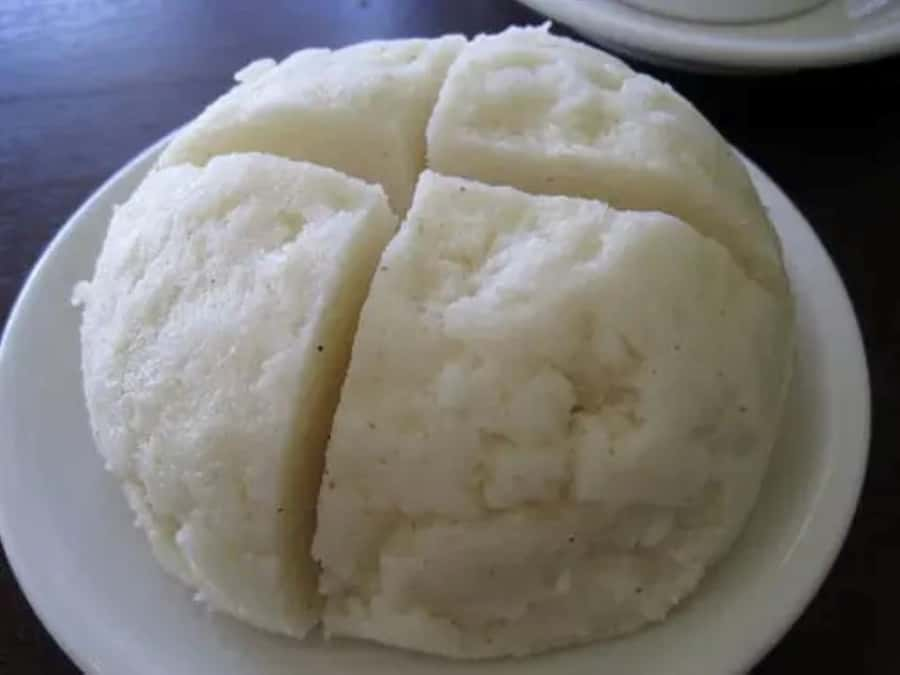
The day starts at a central meeting point in Nairobi, where you meet Moreen and then head to a local market. From there, the focus stays practical: you shop for the ingredients needed for the meal you’ll prepare.
In one account, the market stop was in the Kayole district. That detail matters. A neighborhood market is where you see the foods Kenyan cooks actually pick every day, and it turns your class into a real local ingredient story instead of generic “cooking demo” shopping.
Expect time to walk the stalls, look at produce, and select what goes into your menu. It’s also a chance to interact with locals in a normal, everyday setting.
Choosing your meal by shopping first
A lot of cooking classes skip the most important step. Here, you start with the market and pick ingredients based on the meal you’ll cook later.
This changes how you understand the food. When you choose the vegetables, grains, and other key items yourself, you start noticing how they show up in the dishes. Then, when you’re back in the kitchen, the cooking feels connected to something you already touched and selected.
You also get to see the produce used for Kenyan meals up close, which helps you understand flavor building blocks. Even if you only remember a few ingredient names, you’ll leave with stronger mental “map” of Kenyan cooking.
The ride to Moreen’s home and what the setting adds

After the market, you travel to Moreen’s house to begin the cooking portion of the day. In one experience, Moreen’s husband was part of the process, including the drive to their home.
This home setting is the point. In a restaurant kitchen, you get speed and shortcuts. At home, you get pace and conversation, and it’s easier to ask questions without feeling rushed.
The food is cooked in a warm, homey environment, and that makes it easier to relax, learn, and actually enjoy yourself while you cook.
Cooking Kenyan staples: ugali, pilau, sukuma wiki, and chapati
Back at the house, the cooking class starts with prep and guidance from Moreen. She also shares some history about the food as you work, which helps the dishes feel less random and more rooted in how people eat.
You’ll typically cook a menu built from Kenyan favorites, including:
- ugali
- pilau
- sukuma wiki
- chapati
The best part is the hands-on nature of the session. You can help during preparation and cooking whenever you want, and Moreen and her family guide you through the steps. That mix is ideal if you’re unsure in the kitchen, because you can participate without being thrown in alone.
Another plus: special requests can be accommodated. If you have a preference for what you want to make, this isn’t a one-size-fits-all menu with no flexibility.
Enjoying the meal together at the dining table
Once the cooking is done, you sit down and eat together at the dining table in the apartment/home. This is where the experience becomes more than the food.
In particular, the family interaction gets high praise. You’re not just hosted by Moreen as an instructor, you’re treated as part of the family for the day. That social piece matters, because you end up understanding the food in a human way: who eats it, how it’s served, and why it shows up in everyday meals.
The included refreshment is also a nice touch. Soda, fruits, and water are part of the experience, so you can focus on eating and conversation instead of constantly figuring out what to drink or snack on.
What you’re actually getting for $59
At $59 per person, this is a solid value for a full day of food. Here’s why: you’re paying for more than the meal. You’re paying for local host support, cooking lessons, and the guided market shopping that sets up everything you’ll cook.
You also get extras that add up in real life: fruits, soda, and water are included. And you’re getting a home-cooked table experience, which usually costs more when it’s packaged as a formal restaurant-like tour.
The only major cost to watch is transportation. Since it is not included, your total trip budget depends on how you get to the meeting point and back. If you’re already planning to be in central Nairobi, that’s less of a problem.
Practical notes before you go to Moreen’s kitchen
This experience comes with normal household rules. You won’t be allowed to bring weapons or sharp objects, you can’t smoke indoors, and explosive substances are not permitted.
It’s also important to match the activity to your physical comfort level. This option is not suitable for people with mobility impairments or wheelchair users. Age limits are also strict, with not suitable for people over 70, and not suitable for people over 95.
If you fit within those limits, you’ll likely appreciate the informal, home environment. Wear comfortable clothes, expect some walking in the market area, and keep an open, curious attitude while you cook. A big part of the payoff is how much you participate.
Language and communication: English and Swahili help
Communication is built in. The experience is offered in English and Swahili, so you should be able to ask questions and get explanations clearly.
That matters because the class includes more than step-by-step cooking. Moreen shares history about the food and talks about the origins of ingredients and dishes, and having a language option makes those details land better.
Who should book this cooking day, and who might skip
This is a great fit if you want:
- a food experience that starts with market shopping
- hands-on cooking rather than watching
- a home meal where you eat with the host’s family
- a menu built around Kenyan classics like ugali, pilau, sukuma wiki, and chapati
It’s especially good for couples and small groups who want something personal and relaxed instead of a rigid production.
Consider skipping if you need wheelchair access or have mobility limitations, since it’s not suitable for wheelchair users. Also skip if you’re over the stated age limits.
If you prefer a large, impersonal restaurant style meal, this may feel too personal, because the strong family interaction is part of the core experience.
Should you book Cook and enjoy African meals with Moreen
If your idea of a great Nairobi day is market-to-table food with real people, this is an easy yes. The strongest reasons to book are the hands-on cooking, the chance to shop for ingredients first, and the way the family hosting creates a warm, comfortable meal experience.
The main reason to pause is logistics. Transportation is not included, so make sure you can comfortably get to the central Nairobi meeting point and back. If you can handle that, you’ll likely come away with more than recipes. You’ll leave with a clearer sense of Kenyan cooking through the ingredients you chose and the classics you cooked together.
FAQ
Where does the experience start?
You meet near a central location in Nairobi to begin the day.
Who leads the cooking experience?
The experience is led by the local host, Moreen Imari.
What’s included in the $59 per person price?
Included are local host services, soda, fruits, water, and cooking lessons.
What’s not included?
Transportation is not included.
What dishes might I cook?
You can expect to cook Kenyan dishes such as ugali, pilau, sukuma wiki, and chapati.
Do I get time to shop for ingredients?
Yes. You travel to a local market and select fresh ingredients for the meal you’ll cook.
Are there any language options?
Yes. The experience is available in English and Swahili.
Is it suitable for wheelchair users?
No. It is not suitable for wheelchair users.
Are there rules about what I can bring?
Weapons or sharp objects are not allowed, smoking indoors is not allowed, and explosive substances are not allowed.
Can I pay later or get a refund?
The booking uses reserve and pay later, and cancellation is possible up to 24 hours in advance for a full refund.
More Tour Reviews in Nairobi






Everything else we hold on Nairobi
- 7 Days Private 4 star lodges Safari by LandCruiser from Nairobi★ 5.0 · 3 reviews
- 5 Days/4 Nights Kenya Safari★ 4.5 · 3 reviews
- Safari Park Hotel Show & Dinner Experience In Nairobi Tour★ 3.6 · 3 reviews
- Day safari to Olpejeta Rhino conservancy★ 5.0 · 3 reviews
- 7 Days Breathtaking Kenya Wildlife Private Safari★ 5.0 · 3 reviews
- Overnight Amboseli National Park Safari from Nairobi★ 5.0 · 3 reviews