
REVIEW · MAASAI MARA SAFARIS
7 Days Masai Mara, Lake Naivasha, Nakuru, Amboseli
Wildlife, lakes, and Kilimanjaro in one tight loop.
This 7-day circuit links Masai Mara game drives with Lake Naivasha boat time, then adds Lake Nakuru flamingo and rhino chances before finishing at Amboseli with serious big-elephant and Kilimanjaro views. It is built around full board in safari camps and drives in a 4×4 with an open roof for better spotting.
My two favorite parts are the day-long flexibility of the safari rhythm and how the logistics protect your game-viewing time. I like the open-roof 4×4 van setup with a roof hatch and UHF radio, because you actually get the right angles when something wanders close. I also like the full-board accommodation at camps in double rooms, with park entrance fees covered so you are not juggling extra payments while you are watching animals.
One drawback to consider is that the schedule is early and long, with several early starts and late returns. If you hate sunrise alarms, this will feel like a sprint. Also, the experience is described as private, but since a couple of harsh reports mention mismatched expectations around group style, I strongly suggest you confirm the exact “private vs shared” setup in writing before you pay.
In This Review
- Key Things You Should Know Before You Go
- Day 1 From Nairobi to Masai Mara, with Rift Valley views first
- Day 2 A full Mara day, Big Five hopes and the Mara River timing
- Day 3 Lake Naivasha shifts the focus to birds, hippos, and a culture visit
- Day 4 Hell’s Gate early, then Lake Nakuru for leopard, rhino, and flamingos
- Day 5 Amboseli arrives late, but the Kilimanjaro backdrop is the point
- Day 6 Observation Hill and a full day of big-elephant and predator chances
- Day 7 Back to Nairobi, one last early drive, then drop-off
- Price and logistics, what you truly get for about $1,979 per person
- What the daily timing feels like in real life
- Accommodation basics in double rooms, and how to choose the right mindset
- Who should book this safari, and who might want a different style
- Should you book this 7-day Kenya safari?
- FAQ
- What time does the safari start?
- Are park entrance fees included?
- How are meals handled?
- Is the safari private or shared?
- Is airport pickup included?
- What is the cancellation refund policy?
Key Things You Should Know Before You Go
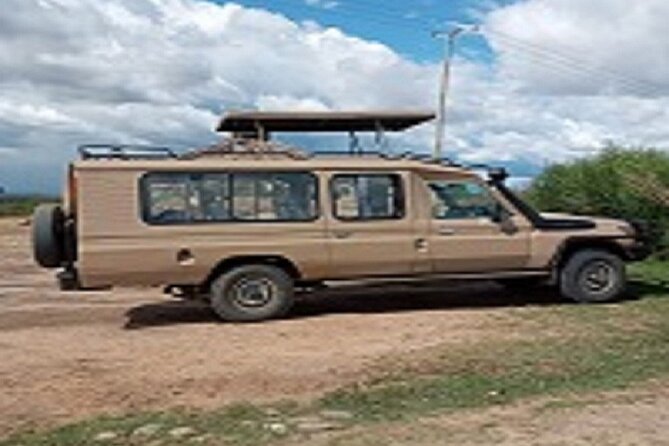
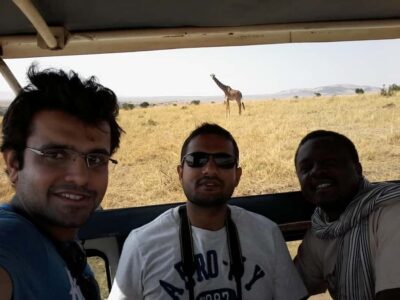
- Open-roof safari vehicle with a roof hatch and UHF radio, designed for better viewing and quick communication on game drives.
- Full board with entrance fees covered, so your budget is simpler once you are in Kenya (tips are the one clear extra).
- Masai Mara drives with a Mara River stop, timed around migration country, even though you are not guaranteed to see crossing at that moment.
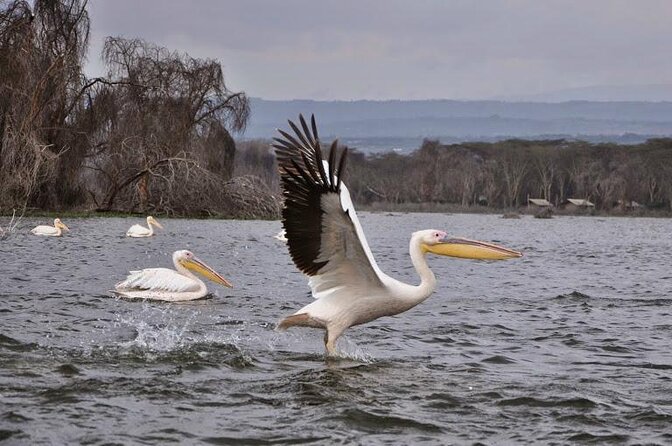
- Lake Naivasha includes a boat trip, a practical way to shift from grassland predators to hippo and birdlife.
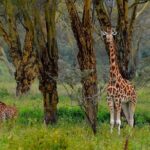
- Lake Nakuru packs flamingos, leopard odds, and rhino searching into one day, with multiple game-drive segments.
- Amboseli adds Kilimanjaro backdrop days, including an Observation Hill focus for elephant viewing.
Other Mara operators, set against one another
Day 1 From Nairobi to Masai Mara, with Rift Valley views first
You start early, with pickup from your hotel in Nairobi and departure for Masai Mara through the Great African Rift Valley escarpment. There is a viewing-point stop on the escarpment, plus a drive through Masai Town Narok before you reach camp.
This first day has a nice psychological trick. You are not dropped straight into a long drive with no context. You get to see the Rift Valley high to low transition, then you arrive at Masai Mara Miti Mingi Tented Camp in time for lunch.
After lunch, you do a late afternoon game drive until sunset. That matters because evenings in Masai Mara often deliver active predators and grazing herds moving into cooler light. Even if you are tired from travel, this timing helps you settle into safari mode fast.
Day 2 A full Mara day, Big Five hopes and the Mara River timing
Day 2 is the big Masai Mara day. You have early breakfast, depart at 7:30am, and run a full day with a packed lunch while searching for the animals that make people plan safaris in Kenya in the first place. The itinerary explicitly mentions Big Five targets (elephant, leopard, rhino, buffalo, lion) plus predator and scavenger action like hyena and wild dogs.
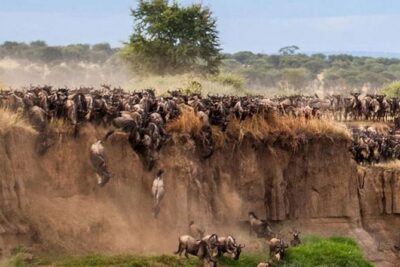
You also stop at the Mara River migration point for lunch. Here is the honest expectation to hold: the itinerary notes the wildebeest migration route but also indicates you may not see the migration taking place at that moment. That is normal in seasonal migration country. The value of the stop is that you are in the right habitat and water-source zone for the kinds of interactions people chase on safari.
By afternoon, you keep driving until sunset, then head back to camp. If you want maximum sightings, this is how you buy more chances, not just better marketing. The itinerary keeps you in the park for long stretches, instead of breaking the day too often.
Day 3 Lake Naivasha shifts the focus to birds, hippos, and a culture visit
Day 3 flips the scenery and the wildlife rhythm. You do an early morning game drive up to around 9:30am, then return for breakfast. After that, you have time to visit Maasai Village, and then you head toward Lake Naivasha with lunch in Narok.
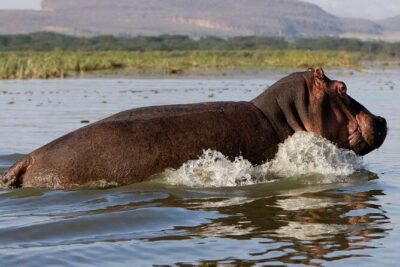
Late afternoon brings the boat trip on Lake Naivasha. The plan is built for birdlife and water animals, with hippos mentioned directly for sightings and photo chances. This is a smart change from the Mara’s open grassland chasing, because Naivasha’s shoreline and water edges let you slow down and study behavior.
The practical win here is contrast. On a single trip you get land predators and big herds, then you get a calmer, water-based wildlife experience where birds and hippos are the main characters.
Day 4 Hell’s Gate early, then Lake Nakuru for leopard, rhino, and flamingos
Day 4 starts with an early game drive at Hell’s Gate National Park. The itinerary notes Hell’s Gate as the park where you can cycle, walk, and drive while seeing animals. Even if you do not plan to cycle or walk yourself, the location is chosen for variety, and the drive gives you time before heading to Nakuru.
After the Hell’s Gate drive, you return for breakfast, then travel to Lake Nakuru National Park in time for lunch. En route and after lunch, you do more game driving with specific targets: leopard sightings are described as frequent in Nakuru, and you also do rhino searching for the park’s two rhino species.
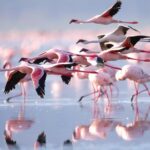
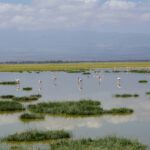
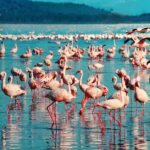
The itinerary also highlights birds and thousands of flamingoes, which is a big reason people love Lake Nakuru. Flamingos are not just a pretty bonus here, they are part of the park’s identity and a key photo moment.
One thing to know about days like this: you get a lot of segments in one day. That can be tiring, but it also increases your “different animals, different habitats” odds before you move on.
Amboseli departures we also sat down with
Day 5 Amboseli arrives late, but the Kilimanjaro backdrop is the point
Amboseli day starts with an early game drive while you are still in the lodge rhythm. After breakfast, you leave for Amboseli National Park with hot lunch at Nairobi, then arrive late evening. A late evening game drive is mentioned if time allows.
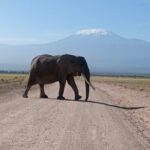
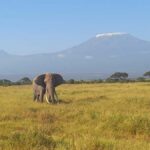
This timing is a compromise you should understand up front. You are trading a full-day Amboseli start for travel time from the earlier parks. The payoff is that when you arrive, you are positioned for the scenery the itinerary calls out: Amboseli’s open plains and the chance to see Mount Kilimanjaro looming in the background.
If you are the type who loves that classic elephant-and-Kilimanjaro photo, the extra time later in the trip will matter even more. Which leads to the next day, where the plan gets very deliberate.
Day 6 Observation Hill and a full day of big-elephant and predator chances
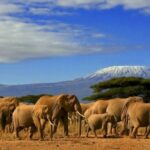
Day 6 is the day designed for views. You leave at 6:30am for a full day game drive with packed lunch, focused on predators and their prey, plus big elephants with a view of Mount Kilimanjaro.
The itinerary specifically names Observation Hill as a stop, which tells you how the day is structured: it is not only about driving between animal hotspots, it is also about getting you to higher ground for viewing angles. In Amboseli, that can be the difference between seeing animals and understanding how the park’s plain and elephant herds use the space.
After the full day, you return to your camp. This is where the trip feels most “safari,” less like checklists, more like hours together in the field trying to crack that one perfect sighting.
Day 7 Back to Nairobi, one last early drive, then drop-off
Your final day keeps the early start tradition, with an early morning game drive in search of animals hunting, eating, and killing. Then you return for breakfast, check out, and drive back to Nairobi.
You will have a picnic lunch en route and arrive in Nairobi late evening, with a drop-off at a place of your choice. This is a nice way to end without racing straight to the airport. It also gives you a final chance to catch action in daylight before the safari ends.
If you are planning a flight, build in caution. The itinerary only promises a late evening arrival, not a specific hour.
Price and logistics, what you truly get for about $1,979 per person
At $1,979.46 per person for 7 days, you are paying for more than driving and sleeping. The important value detail is that the package includes full board accommodation at camps, park entrance fees (including government taxes), and private safari transport in a 4×4 with open-roof game viewing.
It also includes the work of an English speaking professional driver/guide, plus airport pickup and the game drives as described. Water is included, and mineral water is recommended while on safari.
When you break it down, the real question is this: does the trip cover enough of your biggest safari costs? For many people, park fees and safari vehicle time are the heavy hitters. This package includes them, which makes budgeting feel easier once you land.
What is not included is tips. That is normal for safari packages, but it is good to plan for it rather than pretending it will not come up.
A fair caution: while the experience is described as private (only your group participates), a couple of very negative reports mention mismatched expectations about group joining. I cannot verify how that plays out for your dates, but you should confirm in writing before departure what “private” means for your specific booking and whether any shared components exist on any leg.
What the daily timing feels like in real life
You are looking at a safari with early mornings and long field hours. The tour start time is 6:00am, and several days go earlier than that in practice. Game drives often run until sunset, so your evenings can be late returns.
The benefit of this schedule is simple: animals are active in cooler hours, and you are in the park when the action happens. The cost is physical. You will spend a lot of time sitting, stepping in and out of a vehicle, and keeping your eyes trained.
The good news is the vehicle is built for viewing, not comfort theater. With the open roof and roof hatch, you can keep a steady aim when you spot movement. The UHF radio is also there for coordination, which helps guides communicate about where to focus next.
Accommodation basics in double rooms, and how to choose the right mindset
Accommodation is at the safari camp in double rooms, and the trip is described as full board. The itinerary focuses on game viewing and park entry, so you should treat the camp as functional and restorative, not as a beach resort.
What you can expect is a consistent rhythm: arrive for lunch or dinner, reset, then get back out for game drives. That pattern is why full-board matters. When you are paying attention to lions and hippos, you do not want meal logistics to be the third thing on your mind.
From the positive feedback you provided, comfort seems to land well, with repeated praise for comfortable accommodation and game drives. That does not mean every aspect will be perfect for every traveler, but it is a good sign for how the camps and driving are experienced on the ground.
Who should book this safari, and who might want a different style
This is a strong fit if you want a classic Kenya loop that hits four major wildlife and water zones in one week. It suits couples, families, and animal-first travelers who can handle early starts and long drives.
It is also a good match if you like variety. You go from grassland predator country in Masai Mara to water and birds at Lake Naivasha, then flamingos and rhinos at Lake Nakuru, then elephant and Kilimanjaro scenery in Amboseli.
You might think twice if you want a slower pace, or if you dislike feeling “on the move” every day. This itinerary is built for maximum park time, not for lazy mornings and long dinners.
It is also worth double-checking expectations if you care deeply about private operations. The package is presented as private, yet the fact that some complaints mention group-joining issues means you should clarify your exact setup.
Should you book this 7-day Kenya safari?
I would book it if your priority is a fast, focused safari that includes park fees, full-board camps, and real time in the field. The combination of Masai Mara game drives plus Naivasha boat time and the Nakuru flamingo and rhino push is a practical way to cover Kenya wildlife themes without adding extra tours.
I would not book it blindly if you need absolute certainty about private-only operations every single day. Confirm that detail in writing, and confirm which camp type and room setup you will get in your double-room booking.
If you can handle early mornings and you are excited by the chance to see predators, hippos, flamingos, rhinos, and elephants in one week, this route makes sense. You will spend your time where safari decisions matter, in the parks, at the right hours, with the right vehicle setup for spotting.
FAQ
What time does the safari start?
The experience start time is listed as 6:00am.
Are park entrance fees included?
Yes. The package says all park entrance fees are included, and that they include government taxes.
How are meals handled?
Full board is included. The meal plan lists 6 breakfasts, 7 lunches, and 6 dinners.
Is the safari private or shared?
The description says it is private, with only your group participating.
Is airport pickup included?
Yes, airport pick up is included.
What is the cancellation refund policy?
You can cancel up to 6 days in advance for a full refund. If you cancel 2 to 6 days before the start time, you receive a 50 percent refund. If you cancel less than 2 days before, the amount paid is not refunded.
Around Lake Nakuru
Still Thinking Amboseli?
Into the Mara Another Way

Everything else we hold on Nairobi
- 7 Days Private 4 star lodges Safari by LandCruiser from Nairobi★ 5.0 · 3 reviews
- 5 Days/4 Nights Kenya Safari★ 4.5 · 3 reviews
- Safari Park Hotel Show & Dinner Experience In Nairobi Tour★ 3.6 · 3 reviews
- Day safari to Olpejeta Rhino conservancy★ 5.0 · 3 reviews
- 7 Days Breathtaking Kenya Wildlife Private Safari★ 5.0 · 3 reviews
- Overnight Amboseli National Park Safari from Nairobi★ 5.0 · 3 reviews
Maasai Mara Safaris, compared.
 ★ 5.03 Days Masai Mara Group JoiningFrom $540486 reviews
 ★ 4.5From Nairobi: 3 Days, 2 Nights Maasai Mara Group SafariFrom $199394 reviews
 ★ 5.05 Days Masai Mara, Lake Nakuru & Naivasha Budget Joining SafariFrom $810229 reviews
 ★ 5.03 Days Gamedrive Safari In Masai Mara From NairobiFrom $555207 reviews
 ★ 4.6From Nairobi: 3 – Days Maasai Mara Group Safari by 4WDFrom $240205 reviews
 ★ 4.53 Days Maasai Mara Guided Safari from NairobiFrom $196195 reviews
 ★ 5.03 Day Masai Mara SafariFrom $929177 reviews
 ★ 5.03 days group joining safari to Maasai Mara with a Land Cruiser JeepFrom $221173 reviews