
REVIEW · MAASAI MARA SAFARIS
6 Days Safari to Samburu N/R, Aberdare N/P, Nakuru N/P and Maasai Mara N/R.
Try for the Somali ostrich in Samburu. This 6 day private safari links four standout parks, with altitude changes, river crossings, and prime early morning wildlife viewing that keeps the days moving. You start near Nairobi and build north, then swing west into the Rift Valley, before ending at the classic Maasai Mara for full-day big cat time.
Two things I like a lot. First, the itinerary is tuned for Samburu’s special species, including a targeted chance at the Somali ostrich photo and other dry country highlights. Second, you get day-to-day variety, from Treetop Lodge’s famous water point action in Aberdare to Lake Nakuru’s rhino and flamingo viewing rhythm.
One consideration: this is not a slow sightseeing trip. You are up early for drives, and you should have moderate fitness for long days and lots of time in a vehicle, with wildlife sightings never guaranteed.
In This Review
- Key highlights at a glance
- Why this route feels smarter than a one-park safari
- Day 1 Samburu National Reserve: rare birds, river action, and Brown Hill sunset
- Day 2 Aberdare National Park: the forest game drive and Treetop Lodge water point
- Day 3 Lake Nakuru National Park: Thompson’s Falls, farms, then the rhino and flamingo show
- Day 4 Maasai Mara first-drive day: sunrise light and a Mara welcome
- Day 5 Maasai Mara full day: more hours, better odds, and time to track cats
- Day 6 Early Mara drive and the drive back to Nairobi
- Price and value: what $4,000 buys you in this 6-day setup
- The guides are a big part of the safari experience
- Practical tips to improve your odds of that Somali ostrich photo
- Who this safari is best for
- Should you book this 6-day Samburu, Aberdare, Nakuru, and Maasai Mara safari?
- FAQ
- What locations are included in this safari?
- How long is the safari?
- Is this a private safari?
- Is pickup available from Nairobi?
- What is the main wildlife theme for Samburu?
- What activities happen at Aberdare?
- Do you include time at Lake Nakuru for birds and rhinos?
- What is included in the Maasai Mara days?
- When do you return to Nairobi?
- Is there free cancellation?
Key highlights at a glance
- Somali ostrich photo mission in Samburu, plus other dry country standouts like reticulated giraffe
- Early morning game drives when predators are most active
- Aberdare water point drama around Treetop Lodge, where animals come in to drink
- Lake Nakuru Rift Valley light for sunset views and a chance at rhinos and flamingos
- Maasai Mara full-day time for lions, leopards, cheetahs, zebras, and more
Other Mara operators, set against one another
Why this route feels smarter than a one-park safari
If you have limited time, you want variety without losing prime wildlife hours. This itinerary does that by stacking four different habitats in just six days: Samburu’s drier north-country scenery, Aberdare’s forested altitude world, Nakuru’s Rift Valley ecosystem, and then the Mara’s open savanna where predator viewing tends to be excellent.
What makes it more than just a checklist is the pacing. You get early starts for animal activity, then breaks that keep you functional for the next drive. You also spend more than one day in the Maasai Mara, which matters, because seeing a lion or leopard up close is often about timing and repeating the search pattern.
There is also a neat geographical story baked in. On day 1, you cross the Equator and climb up toward Mount Kenya before descending to Samburu. That altitude shift can change the feel of the light, the air, and even how animals behave, since the parks sit at very different elevations.
Day 1 Samburu National Reserve: rare birds, river action, and Brown Hill sunset
Your safari day begins with a drive north after breakfast, passing through farms and green belts that include mangoes, pineapples, avocados, coffee, roses, wheat, and tea. Then comes the big visual marker, crossing the Line of Equator, followed by the climb toward Mount Kenya up around 3,000 meters. After that, the route drops down to Samburu at roughly 800 meters, setting you up for that classic dry country feel once you arrive.
Lunch is at Samburu Ashnil Camp, a good midpoint to reset before your first real wildlife time. Then you head out around 15:30 for a sunset-focused drive. The timing matters here. Late afternoon is often when you see movement near watering areas and when the colors get dramatic for photos.
In Samburu, your targets line up with what the region is known for, including elephants and waterbucks. The highlight the guides are aiming for is the chance at the rare Somali ostrich, described as the most elegant of ostrich species. Even if you do not get a perfect shot, Samburu’s dry vegetation and animal mix are a big part of why this park earns repeat visits.
You return to the lodge around 18:30, which keeps the night easy and not overly rushed.
Day 2 Aberdare National Park: the forest game drive and Treetop Lodge water point
Aberdare starts with an early game drive, designed for the hours when animals are most active. This matters because predators can be more visible and less guarded early on. The itinerary explicitly calls out animals like lion, cheetah, and leopard, plus the kind of forest wildlife that you do not get as easily in open savanna.
After breakfast, you move to Aberdare with lunch at Outspan Hotel, then later drive to Treetop Lodge. This is where the day becomes about watching patterns. Aberdare’s natural forest includes trees such as ebony, mahogany, bamboo, ficus, and olive. The key is the water point outside the lodge. Instead of only driving and scanning, you have a stationary viewing rhythm where animals come in to drink.
This is also where you might catch some of the messy, real-life moments that make safaris exciting, like elephants getting into it with buffaloes while spotted hyenas keep their eyes on opportunities, including protecting calves. The park is also described as a place to look for species such as forest syke monkey, black and white colobus monkey, and even rarer chances at black rhino, Defassa waterbucks, and bongo.
Dinner and overnight are at Treetop Lodge, giving you time for both day and night atmosphere. If you like safaris where you can switch between driving and waiting, this is a strong day.
Day 3 Lake Nakuru National Park: Thompson’s Falls, farms, then the rhino and flamingo show
On day 3, you head toward Nakuru after breakfast, with a stop at Thompson’s Waterfall. That pause is not just scenery. It breaks up the transfer and helps you arrive calmer and ready for the afternoon.
The route through the Rift Valley includes maize, potatoes, and other vegetable farms, and you may even spot Kenyan world marathon champions training along the road. It is a nice reminder that this trip is not only about wildlife. You are moving through a living region, and you see that through the road scenes.
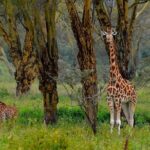
Lunch is at Lake Nakuru Lodge, then you get an afternoon safari aimed at high-value species. The itinerary calls out chances to see white and black rhinoceros, endangered giraffes, gazelles, and flamingos. Lake Nakuru is especially famous for birds, and sunset along the lake is built into the experience, so you get that slow golden hour payoff before returning for dinner and overnight.
If you care about both mammals and birds, this day is a strong “two-for-one” because it targets rhinos and the flamingo spectacle in the same timeframe.
Nakuru appears on many routes. Others listed below
Day 4 Maasai Mara first-drive day: sunrise light and a Mara welcome
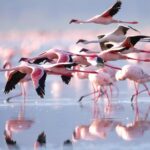
Morning in the Mara starts with an early game drive, timed for when lions and leopards are active. You also get a chance for sunrise views with pinkish flamingos on the alkaline lake. That combination is a big reason people get hooked on the Mara early. One minute you are watching birds in shallow water, and the next you are scanning for movement across open plains.
Around 08:00, the itinerary returns for breakfast, then you drive to Maasai Mara with picnic lunch. You also pass through a wheat and barley region around that morning timing, which adds a human farming texture before you hit the park edges.
Check-in is at Sekenani Camp around 06:00 (timing is early), then you begin your first game drive in the reserve searching for elephants, common zebras, lions, and topi. Even if you have visited Mara in your dreams, the first drive is always about adjusting your eyes to the scale. Distances feel bigger than you expect, and spotting works best when you keep scanning steadily instead of panicking when the first sweep is quiet.
Day 5 Maasai Mara full day: more hours, better odds, and time to track cats
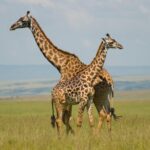
Day 5 is the long one, a full-day safari with picnic lunch. The schedule is built for patience, because predators are not always visible on the first pass. Lions, cheetahs, leopards, zebras, and giraffes are all included in the search plan, along with crocodiles.
This is also where Maasai Mara’s meaning comes in. The name is explained as Maasai, the speakers of the Maa language, and Mara, spotted. The itinerary frames the area as one of the world’s great migration arenas, with annual wild migration connecting to Serengeti in Tanzania.
For you, the practical takeaway is simple: two days in the Mara give you room to learn the “language” of the area. You start to understand where animals tend to gather, when herds move, and how predator activity changes as the day warms up.
You return to the camp around 18:00, so you have enough daylight to finish strong, but not so much that it becomes exhausting for everyone in the vehicle.
Day 6 Early Mara drive and the drive back to Nairobi
Your last day begins with another early game drive, again aimed at lions and cheetahs during peak activity time. Then you get breakfast and head out around 10:00 for the return toward Nairobi, with lunch on route. You end at your residence or transfer to Jomo Kenyatta International Airport.
That final morning matters because it gives you a second chance to catch something big. Many safaris are won in the “last short drive” moment. It is not guaranteed, but this itinerary gives you that built-in recovery time instead of forcing you to leave right after sunrise.
Price and value: what $4,000 buys you in this 6-day setup
$4,000 per person is not a budget safari price, so you need to judge it on what is included and what you avoid.
Here is what you are paying for, based on the tour structure: a private tour, only your group participates, so your game drive pacing does not feel like a crowded bus stop. You also get pickup offered and a mobile ticket, which can reduce friction on arrival. Most importantly, you are covering four parks in six days with purposeful time in each one, including multiple drives in the Maasai Mara where the wildlife payoff tends to be higher.
If you tried to plan this on your own, the real cost is not just money. It is time, logistics, and the risk of wasting prime animal hours waiting on transfers or figuring out routes. This itinerary compresses those decisions into a single plan so you can focus on viewing.
One fair warning: wildlife is not a product you can return if you miss it. Your value is highest when you go in flexible and prepared to enjoy the whole experience, not only the “big five” style checklist.
The guides are a big part of the safari experience
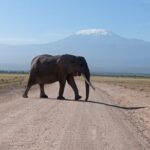
The most praised ingredient in the feedback is the guidance itself. One guide named Simon is specifically associated with helping the group catch dramatic elephant behavior, including a crossing on the Ewaso Nyiro area when the chance shows up. Another guide named George is praised for encouraging calm and good positioning when animals come close to the vehicle, which leads to better photos and fewer nerves.
So, what should you do with that? Treat your guide like the co-pilot. If they tell you to hold still, do it. If they say you can get a better angle by waiting, wait. A lot of close-up wildlife moments happen when someone reads the animal’s behavior correctly and then gets you into the right spot at the right time.
Even if you do not have Simon or George, the lesson still holds: good safaris are driven by decision-making, not luck alone.
Practical tips to improve your odds of that Somali ostrich photo
You are aiming for the Somali ostrich in Samburu, and the itinerary makes that a meaningful goal rather than a random hope. Here is how you can help the odds without inventing anything.
First, be ready when the light is right. Ostriches and other birds can move quickly, and late afternoon drives in Samburu are timed for that kind of activity. If you like photography, keep your camera accessible and your settings ready before the drive starts.
Second, keep your patience for spotting. Dry country can look quiet, then suddenly you see movement near the right patch of ground. Give your guide time to scan systematically.
Third, use your time wisely in Mara and Nakuru too. Even if your bird goal is in Samburu, you will likely want flamingo shots at Lake Nakuru and the lake area in the Mara morning. Your best results usually come when you treat every drive as a chance, not just a transfer day.
Who this safari is best for
This trip fits well if you want a classic Kenya wildlife circuit but also like variety and structured viewing. It is also a good choice for families, since the schedule is built around regular meal and return times, and the plan includes both driving and lodge-based viewing at Treetop Lodge.
You will likely enjoy it most if you can handle long days in a vehicle and you get good value from early starts. If you are looking for luxury, slow pacing, and lots of downtime, this may feel a bit intense.
If you have moderate fitness, you should be fine, since the main effort is time and sitting. The itinerary does not suggest heavy hiking, but it does include long viewing windows and early mornings.
Should you book this 6-day Samburu, Aberdare, Nakuru, and Maasai Mara safari?
I would book it if your top priority is a tight, high-value safari route with multiple ecosystems and time that actually lets you search, repeat, and adjust. The Samburu bird mission, the Aberdare water point experience, and the Mara full-day viewing combine into a trip that does not rely on one single lucky sighting.
I would think twice if you dislike early starts or long drives, or if you want guaranteed sightings no matter what. This is a wildlife program. Nature keeps the final say.
If you do book, go in ready to follow your guide’s cues, and plan to enjoy the full range of moments, from equator-crossing road stories to the quiet waiting outside the water point in Aberdare.
FAQ
What locations are included in this safari?
The itinerary includes Samburu National Reserve, Aberdare National Park, Lake Nakuru National Park, and Maasai Mara National Reserve, starting from Nairobi, Kenya.
How long is the safari?
The tour lasts 6 days approximately.
Is this a private safari?
Yes. It is listed as a private tour/activity, and only your group will participate.
Is pickup available from Nairobi?
Yes, pickup is offered.
What is the main wildlife theme for Samburu?
The tour highlights capturing a rare photo of the Somali ostrich, described as an elegant ostrich species, along with other Samburu sightings like elephants and waterbucks.
What activities happen at Aberdare?
You have an early game drive, then you visit Treetop Lodge for viewing around a water point where animals come to drink. The plan includes possible sightings of species such as black rhino, bongo, and monkeys.
Do you include time at Lake Nakuru for birds and rhinos?
Yes. You have an afternoon safari aimed at white and black rhinoceros, endangered giraffes and gazelles, plus flamingos, followed by sunset along the lake.
What is included in the Maasai Mara days?
You get early game drives and a full day game drive with picnic lunch. The plan includes looking for lions, leopards, cheetahs, zebras, giraffes, elephants, topi, and crocodiles.
When do you return to Nairobi?
On the final day, you leave the Mara around 10:00 for Nairobi, with lunch on route, and you arrive at your residence or transfer to Jomo Kenyatta International Airport.
Is there free cancellation?
Yes. You can cancel for free up to 24 hours in advance for a full refund, and changes within 24 hours of the start time are not accepted.
North to Ol Pejeta and Samburu


Around Lake Nakuru
Into the Mara Another Way

Everything else we hold on Nairobi
- 7 Days Private 4 star lodges Safari by LandCruiser from Nairobi★ 5.0 · 3 reviews
- 5 Days/4 Nights Kenya Safari★ 4.5 · 3 reviews
- Safari Park Hotel Show & Dinner Experience In Nairobi Tour★ 3.6 · 3 reviews
- Day safari to Olpejeta Rhino conservancy★ 5.0 · 3 reviews
- 7 Days Breathtaking Kenya Wildlife Private Safari★ 5.0 · 3 reviews
- Overnight Amboseli National Park Safari from Nairobi★ 5.0 · 3 reviews
Maasai Mara Safaris, compared.
 ★ 5.03 Days Masai Mara Group JoiningFrom $540486 reviews
 ★ 4.5From Nairobi: 3 Days, 2 Nights Maasai Mara Group SafariFrom $199394 reviews
 ★ 5.05 Days Masai Mara, Lake Nakuru & Naivasha Budget Joining SafariFrom $810229 reviews
 ★ 5.03 Days Gamedrive Safari In Masai Mara From NairobiFrom $555207 reviews
 ★ 4.6From Nairobi: 3 – Days Maasai Mara Group Safari by 4WDFrom $240205 reviews
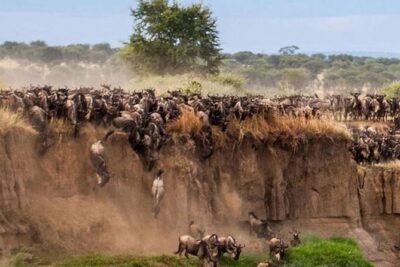 ★ 4.53 Days Maasai Mara Guided Safari from NairobiFrom $196195 reviews
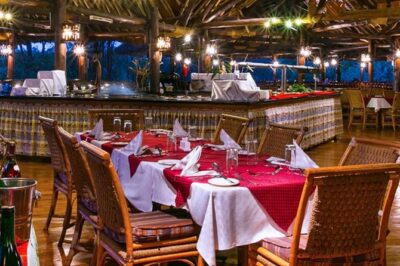 ★ 5.03 Day Masai Mara SafariFrom $929177 reviews
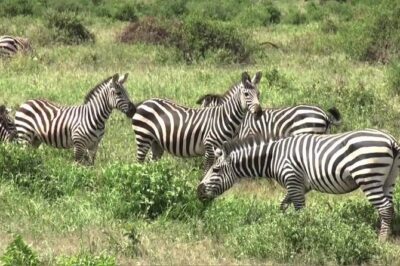 ★ 5.03 days group joining safari to Maasai Mara with a Land Cruiser JeepFrom $221173 reviews