
REVIEW · MAASAI MARA SAFARIS
6 Days Amboseli, Lake Naivasha and Masai Mara Adventure
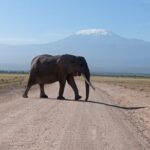
Elephants up close start your Kenya story. This 6-day safari stitches together Amboseli (with Kilimanjaro looming), Lake Naivasha (papyrus, hippos, birdlife), and Maasai Mara (classic big-cat country) using private transportation and a tight schedule built around wildlife viewing.
I also love how the trip is designed around real on-the-ground viewing time, including morning drives when animals are most active and the light is best for spotting.
The second thing I like is the private setup, meaning you are not sharing a vehicle with strangers and you can keep your routine steady from one park day to the next. The only real drawback to consider is pace: you will have early starts and long driving days, so it helps if you enjoy being on the move rather than bouncing between activities slowly.
In This Review
- Key things I’d pencil in first
- How This 6-Day Safari Balances Elephants, Birds, and Big Cats
- Amboseli National Park, Kilimanjaro Light and Elephant Swamps
- What to expect on the ground
- Masai Culture, Village Visits, and Respectful Context
- Lake Naivasha, Papyrus, Hippos, and Birding That Feels Like a Superpower
- Why this day fits your overall safari
- Maasai Mara National Reserve, Landing in Big-Cat Country
- Full-Day Mara Drives, Lions, Cheetahs, and Bird Species Counts You Can’t Ignore
- A note on pacing and comfort
- Morning Mara Drive to Nairobi, How to Keep Your Final Hours Productive
- Logistics and Comfort, Private Transport That Changes the Game
- Price and Value: Is $2,294 Per Person Worth It?
- The Human Factor: Guides, Support, and the Difference They Make
- Who This Safari Fits Best, and Who Might Feel Frustrated
- Should You Book This 6 Days Amboseli, Lake Naivasha and Masai Mara Adventure?
- FAQ
- What locations does this safari cover?
- What is included in the price?
- Is WiFi available during the drive?
- Does the tour offer pickup, and is it private?
- Are tips and gratuities included?
- Is free cancellation available, and how far in advance?
Key things I’d pencil in first
- Close elephant viewing in Amboseli, especially around swampy areas like Ol Kenya and Ol Tukai
- Kilimanjaro morning views, before clouds build over the summit
- Lake Naivasha birding with 400+ species recorded and papyrus-lined shorelines
- Maasai Mara big-cat odds with a full day of game drives and frequent lion sightings
- Driver-guide storytelling, including praised explanations from Jimmy, one of the guides named in past experiences
Other Mara operators, set against one another
How This 6-Day Safari Balances Elephants, Birds, and Big Cats
This trip has a smart rhythm. You start with elephants and Kilimanjaro in Amboseli, then switch settings to the freshwater world of Lake Naivasha, and finally land in Maasai Mara where the action is mostly about predators and big wildlife encounters. It is not just a checklist, it is a sequence that matches what each place does best.
Amboseli is where you go for elephants you can actually study, including feeding and bathing in wet swamp areas. Lake Naivasha is where you go for birds, calmer scenery, and wildlife you can spot from the shoreline and along the lake edges. Maasai Mara is where you go when you want the drama of hunting, roaring, and constant movement across the plains.
One more detail that matters for your enjoyment: the schedule uses packed lunches on the driving-heavy days. That means fewer time-crunch stops and more time with your driver spotting animals where they are.
Amboseli National Park, Kilimanjaro Light and Elephant Swamps
Your first full wildlife chunk happens in Amboseli, a park due south of Nairobi where the scenery is often shaped by an ancient dry lake bed and fragile grassland. Patches of acacia woodland add structure, and in the southern area you get small rocky volcanic hills. But the real “wow” factor for wildlife tends to be water and cover.
The trip is built around swamp areas such as Ol Kenya, Ol Tukai, and Enkongo Narok. In these spots, vegetation turns lush and you get things like yellow-barked acacias and phoenix palms. That mix matters because elephants follow food, water, and shade, and it also creates more places for you to watch their behavior.
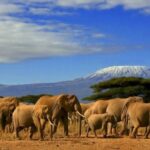
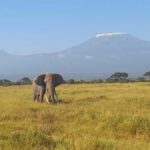
Amboseli is also the place where Kilimanjaro becomes part of your safari, not just a postcard. The plan includes rising early for good mountain views before clouds build over the summit. If you enjoy photography, early light is one of the biggest wins of doing this safari this way.
The way the day is paced helps too. After you arrive and check in, you get a game drive in the afternoon to begin acclimating to the park and your driving routine. Then the next morning goes harder for views and wildlife activity.
What to expect on the ground
You can think of Amboseli as a park where watching is as important as chasing. Yes, you are looking for animals, but you are also watching how elephants move between open grass, acacia cover, and swamp zones. Those repeated patterns help you understand what you are seeing instead of just ticking boxes.
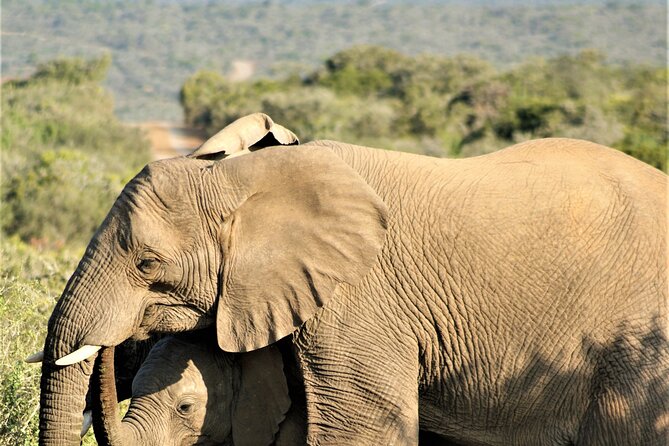
Also, the trip highlights that elephants are experienced at close range in this park area. The route frames this as being helped by lower harassment from poachers, which is a hopeful note for conservation and for the experience itself. It also means you should expect more frequent close observations when elephants are calm enough to feed, bathe, and stand in groups.
Masai Culture, Village Visits, and Respectful Context
Amboseli day two includes an optional Maasai village visit. This is one of those parts where expectations matter. You are not going to a museum, you are meeting people whose lives include singing and dancing as part of daily rhythms and sacred rituals. You also get a glimpse into homes and social structure.
How you experience it depends on your attitude. I like this kind of stop when I go in with humility and curiosity, and when I treat it as cultural contact rather than a performance. If you decide to do it, ask questions, pay attention to how guides explain what you see, and remember that culture is living, not staged.
There is also a conservation and community angle included in the trip narrative. The camps and lodges connected to this kind of safari are described as directly benefiting the local community and supporting environmental conservation. That is encouraging, but it is still worth thinking like a traveler, not a spectator. If you care about where your tourism money goes, be attentive and ask your driver or guide how the community benefits, since that explanation often makes the experience feel more real.
Amboseli departures we also sat down with
Lake Naivasha, Papyrus, Hippos, and Birding That Feels Like a Superpower
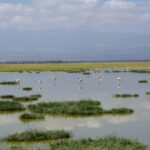
After Amboseli, you shift to Lake Naivasha, one of the Rift Valley lakes. The elevation is 1910 meters, so the air can feel different than in lower, hotter areas. The lake is described as fresh water, with dense papyrus clumps fringing the shore.
Papyrus is more than scenery. The tour notes point out that papyrus was used historically for paper, including by ancient Egyptians. That makes the shoreline feel like a place where nature and human history overlap, without turning it into a lecture.
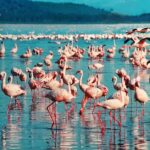
For bird lovers, Naivasha is a standout. The schedule flags it as a place where 400+ species have been recorded. That means you are not just looking for a few big birds, you are likely to notice smaller species too, especially around papyrus where kingfishers perch and herons can hide while they search for food.
One practical wildlife detail in the plan: there are no crocodiles in the lake because the water is too cold due to altitude. You still have hippos, so the area remains genuinely wild, just with a different mix of hazards.
If you like local life beyond the safari bubble, Naivasha also has a social side. It is a popular weekend retreat for Nairobi residents, with activities like sailing, water skiing, and fishing. You can also find vineyards producing grapes for Kenya’s fledgling wine industry, which adds a surprising contrast to the wildlife focus.
Why this day fits your overall safari
This stop gives you a breather between big-game concentration zones. After the intensity of Amboseli elephants and then the constant search for cats in the Mara, Naivasha helps reset your eyes and your expectations. It is still a wildlife day, but the pace of spotting birds and watching papyrus edges can feel calmer and more observational.
Maasai Mara National Reserve, Landing in Big-Cat Country
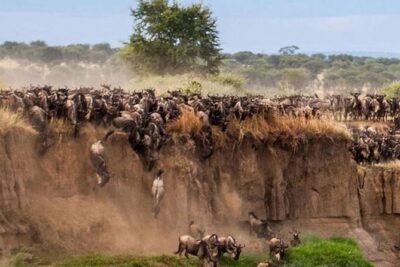
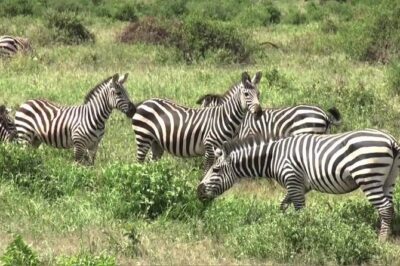
Now you move to Maasai Mara National Reserve, the northern tip of the wider Serengeti ecosystem. The key promise here is that the reserve still holds big wildlife numbers with comparatively less disturbance, tied to a seasonal movement of wildebeest and zebras and the predators that follow.
The schedule for your arrival day is purposeful. You depart early morning to reach Mara in time for lunch, then you get an afternoon game drive. That first drive is often about orientation: learning how your driver reads animal movement, how the plains open and close with different vegetation, and where sightings tend to cluster.
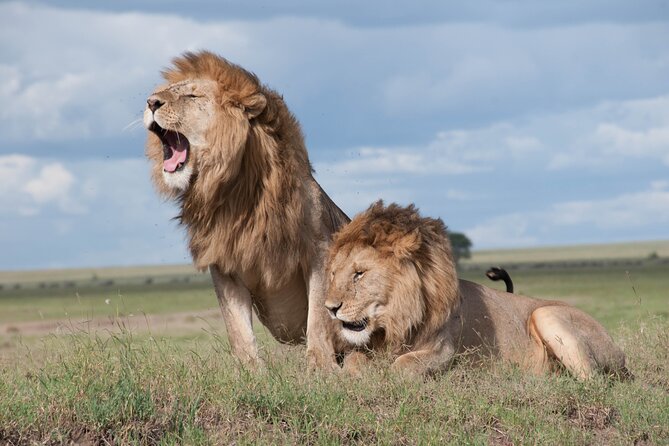
Mara is framed around predators, and it is also one of the rare places where the schedule suggests you can see the Big Five in a single morning game drive. That does not mean it is guaranteed, but it does tell you where your odds land.
The trip also calls out the black-manned lion, a detail that sticks with me because it gives you a specific target to watch for in the field. When a safari names something like that, it helps you know what your guide is likely scanning for in those first hours.
Full-Day Mara Drives, Lions, Cheetahs, and Bird Species Counts You Can’t Ignore
Your next Mara day is a full-day game drive with packed lunch. This is the day when you settle into the pattern of Mara driving, which is basically a continuous loop of spotting, stopping, scanning, and then moving if the action shifts.
The plan emphasizes resident wildlife and specifically lion viewing, including the black-manned lion. It also highlights that you can see the Big Five during a morning drive, which tells you why doing the day this way matters. If you only have limited hours in Mara, you would want that morning energy.
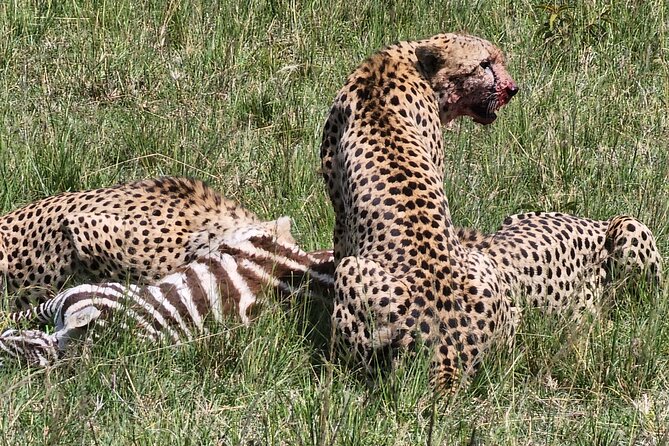
Cheetahs are also part of the focus, and the schedule adds a fun, practical note: some cheetahs are so used to vehicles they seek shade under or near them, and several even climb onto a vehicle roof to get a better view of prey. That tells you the Mara situation can be unusually habituated compared with more remote systems, and it can make sightings feel surprisingly close.
For birders, Mara is not a side quest. The tour notes mention almost 500 bird species recorded, with detailed categories like 16 types of eagle, many hawks and falcons, and multiple vultures. It also calls out the Kori bustard as the world’s heaviest flying bird. Those details are not trivia for trivia’s sake. They are a reminder to slow down sometimes and scan for motion in treetops and open ground, not only for the big mammals.
A note on pacing and comfort
When you spend long hours on game drives, comfort becomes practical. You will want to be ready for dust, sun, and the stop-and-go rhythm of wildlife viewing. The tour handles meals through packed lunches, which helps you stay focused on the sightings instead of hunting for food mid-drive.
Morning Mara Drive to Nairobi, How to Keep Your Final Hours Productive
Your last day is a morning game drive in Mara, then an afternoon transfer back to Nairobi arriving around 5 pm. That structure is a good choice for most people because it protects one last wildlife window while still getting you home while it is still light enough to feel safe and settled.
On the last morning, your best approach is mindset. Do not try to force one last “perfect” sighting. Instead, treat the final drive as an opportunity to enjoy what you learned earlier. After a couple of days in the Mara system, you start noticing patterns, like where animals tend to funnel or where predator movement often repeats.
If you care about bird species, your last morning can also be a good time to scan more slowly. When you have already seen the big mammals, birds can become the calm reward.
Logistics and Comfort, Private Transport That Changes the Game
This is a private tour, meaning only your group participates. That matters more than it sounds. Private transport lets you keep consistent timing without waiting on other parties, and it also makes it easier to adjust the flow when wildlife sightings change. It is also easier on your brain when you are not constantly repeating yourself to different people.
The tour includes parking fees and private transportation, plus meals (5 breakfasts, 6 lunches, 5 dinners). You also get a mobile ticket, which reduces the chances of scrambling with documents when you arrive.
WiFi on board is not included, so if you want to plan photos, post updates, or just keep your brain entertained, prepare offline. Download maps, save contact details, and bring music or books you can use without an internet connection. That is not glamorous advice, but it genuinely improves the experience.
One more helpful note: tips and gratuities are not included. If you like to manage that part during the trip instead of at the end, set aside a budget early.
Price and Value: Is $2,294 Per Person Worth It?
At $2,294 per person for roughly 6 days, you are paying for a lot of moving parts: multiple parks, multiple game drives, private transportation, and meals across the trip. This price is not cheap, but it also is not a “budget backpack” experience. It is closer to paying for time efficiency and guided spotting, which is the real fuel behind safari success.
Here is where the value gets clearer:
- Meals are largely covered with breakfasts, lunches, and dinners, including packed lunches for long driving days.
- The schedule lists admission tickets as free or included on key park segments, which can reduce surprises.
- Private transport and parking fees are included, so you are not piecing together extra logistics during long stretches.
What you should weigh is how you like to travel. If you are the type who wants a lot of control and flexibility to stop whenever you want, a fixed safari rhythm can feel restrictive. But if you want the main work done for you, this setup makes sense. You focus on sightings, your guide handles driving and timing, and you do not waste prime daylight on logistics.
Also consider the parks themselves. Amboseli and Maasai Mara are big-name wildlife areas, and Lake Naivasha is a different flavor, especially for birds. You are paying for variety across ecosystems, not just repeating one kind of view.
The Human Factor: Guides, Support, and the Difference They Make
In safaris, your guide is not just driving. They are translating tracks, animal behavior, and the meaning of what you are seeing. That is why the names mentioned in past experiences matter.
Jimmy, a driver-guide named in one highlighted experience, received praise for mind-blowing information from the tour guide. If you want your safari to feel educational, not just scenic, that kind of interpretation is a major advantage.
Support also came through strongly in past experiences, including mention of Ms Mercy and her team providing best support. That kind of responsiveness matters when plans need flexibility, and past notes specifically highlighted itinerary adjustments at short notice and quick replies to messages.
I would still advise you to confirm details directly with your operator, especially your pickup timing and who your guide will be. But the broader takeaway is clear: this operator leans into guidance quality and service support, not just vehicle rental.
Who This Safari Fits Best, and Who Might Feel Frustrated
This is a great fit if you:
- Want elephants plus birds plus predator country in one trip
- Enjoy early starts when animals are active
- Prefer private logistics and a guided explanation while you drive
You might feel less happy if you:
- Want a slow, lounging vacation with minimal driving
- Get grumpy about long days in the vehicle
- Need WiFi constantly to feel organized and calm, since WiFi on board is not included
The good news is that the schedule includes meals and packed lunches, which removes one major cause of mid-day frustration.
Should You Book This 6 Days Amboseli, Lake Naivasha and Masai Mara Adventure?
I would book it if your goal is maximum wildlife time across three different Kenya environments, with private transport and strong guide support. The best part is how the trip keeps returning to what each place does best: elephant behavior and Kilimanjaro views in Amboseli, birdlife and papyrus scenery at Lake Naivasha, and predator action in Maasai Mara.
Before you commit, think about pace and what you want most from the trip. If you love watching animals and learning how to spot them, this format is a strong match. If you hate early mornings and long drives, look for a slower style of safari in fewer locations.
One final practical check: make sure you pack for heat and sun on game drives, and plan to do your photo and reading work offline since WiFi is not included on board.
FAQ
What locations does this safari cover?
You visit Amboseli National Park, Lake Naivasha, and Maasai Mara National Reserve, with pickup and transportation arranged from Nairobi as the base.
What is included in the price?
The tour includes private transportation, parking fees, and meals including 6 lunches, 5 dinners, and 5 breakfasts. Mobile ticketing is also mentioned as part of the experience.
Is WiFi available during the drive?
No. WiFi on board is listed as not included.
Does the tour offer pickup, and is it private?
Pickup is offered, and the tour is private, meaning only your group participates.
Are tips and gratuities included?
No. Tips and gratuities are listed as not included.
Is free cancellation available, and how far in advance?
Yes. The experience allows free cancellation up to 24 hours in advance for a full refund. If you cancel less than 24 hours before the start time, the amount you paid is not refunded.
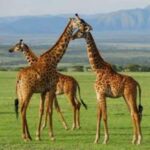
Naivasha, Waterside and Roadside



Still Thinking Amboseli?
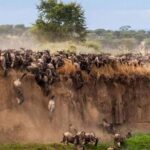
Into the Mara Another Way

Everything else we hold on Nairobi
- 7 Days Private 4 star lodges Safari by LandCruiser from Nairobi★ 5.0 · 3 reviews
- 5 Days/4 Nights Kenya Safari★ 4.5 · 3 reviews
- Safari Park Hotel Show & Dinner Experience In Nairobi Tour★ 3.6 · 3 reviews
- Day safari to Olpejeta Rhino conservancy★ 5.0 · 3 reviews
- 7 Days Breathtaking Kenya Wildlife Private Safari★ 5.0 · 3 reviews
- Overnight Amboseli National Park Safari from Nairobi★ 5.0 · 3 reviews
Maasai Mara Safaris, compared.
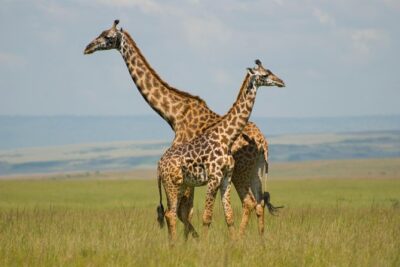 ★ 5.03 Days Masai Mara Group JoiningFrom $540486 reviews
 ★ 4.5From Nairobi: 3 Days, 2 Nights Maasai Mara Group SafariFrom $199394 reviews
 ★ 5.05 Days Masai Mara, Lake Nakuru & Naivasha Budget Joining SafariFrom $810229 reviews
 ★ 5.03 Days Gamedrive Safari In Masai Mara From NairobiFrom $555207 reviews
 ★ 4.6From Nairobi: 3 – Days Maasai Mara Group Safari by 4WDFrom $240205 reviews
 ★ 4.53 Days Maasai Mara Guided Safari from NairobiFrom $196195 reviews
 ★ 5.03 Day Masai Mara SafariFrom $929177 reviews
 ★ 5.03 days group joining safari to Maasai Mara with a Land Cruiser JeepFrom $221173 reviews
Appears in these lists