
REVIEW · MAASAI MARA SAFARIS
5 Days Safari to Aberdare N/P, Nakuru N/P and Maasai Mara N/R.
A dawn-to-dusk Kenya circuit in your window. The mix of Aberdare forest waterholes, Lake Nakuru flamingo sunsets, and big-cat mornings in Maasai Mara keeps you from ever feeling stuck in one kind of scenery. I also like how the trip threads in culture stops, including a visit connected to Baden Powell in Nyeri.
What I really liked most is the wildlife rhythm. In Aberdare, your best moments can happen right where the animals come to drink, not only out on the trail. In Maasai Mara, early starts are rewarded with active cats and that sunrise light you only get when you wake up on purpose.
One possible drawback to consider is the pace. This is five days across three regions with long driving days, plus early morning game drives, so you’ll want moderate stamina and patience for a packed schedule.
In This Review
- Key highlights worth your attention
- Aberdare National Park: Treetop Lodge, a forest that feels close
- Lake Nakuru: a rhino and flamingo day with a beautiful sunset payoff
- Maasai Mara sunrise: where pink light meets active cats
- Full day in Maasai Mara: migration country and the long look
- Final morning in Maasai Mara: last light, then back to Nairobi
- Guides that shape the whole experience
- Price and value: what $1,670 buys in real safari terms
- Who should choose this safari route
- Should you book this 5-day Aberdare, Nakuru, and Maasai Mara safari?
- FAQ
- What parks are included in the 5-day safari?
- Where does the trip start and where do you return?
- How long is the safari?
- What is the price per person?
- Is pickup offered?
- Is this a private tour?
- Are admission tickets included?
- What is the cancellation policy?
Key highlights worth your attention
- Forest viewing at Aberdare, where a lodge water point can pull in elephants and other animals
- Pink sunset at Lake Nakuru, paired with flamingos and a strong chance of rhino sightings
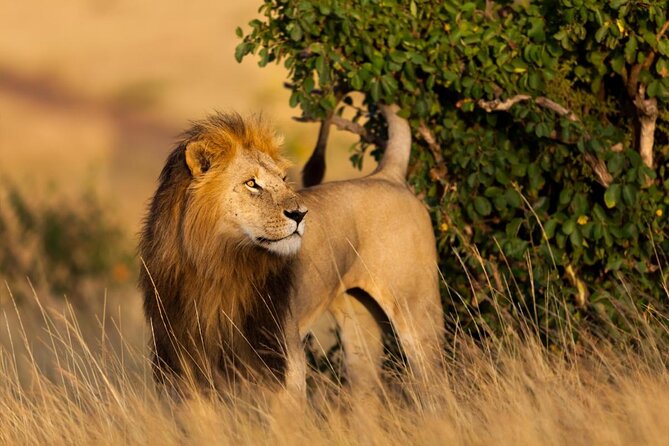
- Early game drives in Maasai Mara, when lions and leopards are most active
- Big migration country in smaller time, Mara holds the drama that Serengeti visitors come for
- Private group experience, so your guide can tailor pace and attention for your crew
Other Mara operators, set against one another
Aberdare National Park: Treetop Lodge, a forest that feels close
Day one is all about stepping out of Nairobi and into a cooler, wilder pocket of Kenya. You leave at nine in the morning, and the drive gives you that in-between feeling, where towns fade and the vegetation thickens. Along the route, you pass agricultural land with mangoes, pineapples, oranges, pawpaws, coffee, and tea. It is a nice reminder that safari country is not isolated from real life. Even before game drives begin, you are already seeing how people and wildlife share the wider region.
In Nyeri Town, you stop at the Museum of Baden Powell. That break adds human context to the trip, and it helps you transition from city time into forest time without feeling like you are just rushing from one park to the next.
After lunch at Outspan Hotel, the day’s best shift happens when you head into Aberdare’s forest world and settle near Treetop Lodge. The forest itself is a character in this itinerary. You get indigenous trees like ebony, mahogany, bamboo, ficus, and olive, which means the environment looks and feels different than open savanna. You are in a place where you can hear movement before you see it, and the light stays softer under the canopy.
The big reason Aberdare feels memorable is the lodge water point. Animals come to drink outside the hotel, so your wildlife viewing can happen with less searching and more waiting. That is not boring, it is smart. You might catch a tense moment like elephants pushing against buffalos, with spotted hyenas nearby where attention turns to calves. You may also see the smaller characters that make the forest feel alive, like forest syke monkeys and black and white colobus monkeys. On top of that, your search could include leopards, black rhinos, Defassa waterbucks, and bongo.
Practical takeaway: if you like wildlife that shows up because the ecosystem is doing what it does, this part of the safari is a win. You get a different kind of “spotting” than the open plains do.
Lake Nakuru: a rhino and flamingo day with a beautiful sunset payoff
After breakfast, you head toward Nakuru. The drive includes a stop at Thompson’s Water Fall, and it acts like a reset. It is a chance to stretch, take photos, and break up the travel before you reach the park area.
Then the route becomes its own kind of scene. You pass lots of maize, potatoes, and vegetables farms, plus you might spot Kenyan world marathon champions training along the way. That detail matters because it makes the day feel real and local, not just a straight line toward wildlife.
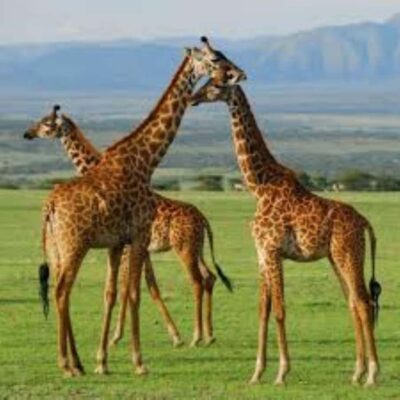
Arriving at Lake Nakuru Lodge sets the tone. You check in and have lunch, and then the afternoon safari begins. This is where you start stacking your wildlife wish list, because Nakuru is famous for both birds and big animals. Your game viewing focuses on white and black rhinos, endangered giraffes, gazelles, and flamingos.
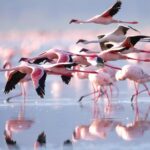
Lake Nakuru also gives you one of the trip’s most emotional visuals: the sunset. As the light changes over the lake, you watch the flamingos at the shoreline. The view can feel almost surreal. One of the standout descriptions I kept coming back to is the way the lake can appear pinkish from Baobon Cliff, even though you are just using normal daylight. That kind of “how is it this color” moment is exactly why Nakuru belongs in a five-day safari.
Practical takeaway: plan to stay alert during golden hour. At Nakuru, the animals and the lighting can both shift quickly, and the best photos come when you are already lined up and ready before the sun finishes dropping.
Maasai Mara sunrise: where pink light meets active cats
Day three moves from Nakuru’s lakeside energy to Maasai Mara’s open-country rhythm. The tour starts with an early game drive, because that is when big cats are often moving and hunting. You are looking for lions and leopards, and the whole “dawn is prime time” idea is not just romantic. It is practical timing that fits how animals behave.
Then there is the sunrise moment tied to flamingos in an alkaline lake. Pinkish light over water and birds is a repeat theme on this itinerary, and it keeps the visual payoff consistent even as the habitat changes. If you like photography, this is one of the best reasons to keep the early mornings in your schedule. The payoff is immediate and it happens before most people have even had breakfast.
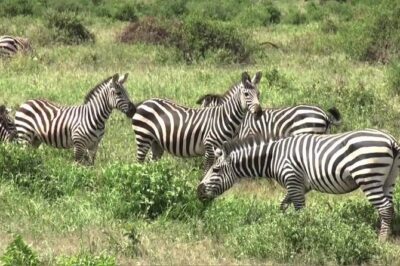
After the early drive, you return for breakfast around eight o’clock, then head into Maasai Mara for a longer day setup. There is also mention of a picnic lunch and a stop in a wheat and barley region as the drive continues. You reach the park and begin your first major Mara game drive with your eyes open for African elephants, common zebras, lions, and topi. You then check in at Sekenani Camp, which places you in the Mara ecosystem so you can start early again the next day.
Practical takeaway: Mara can feel like a place where you need to be ready to work for sightings, but the timing on this safari gives you a head start. You are not arriving and waiting all day for animals to show up. You start hunting the day at sunrise.
Full day in Maasai Mara: migration country and the long look
The best way to describe day four is as a full-on Mara day. You get a full day game drive, with picnic lunch, and you return to camp by 1800. That structure matters. It gives you enough time to follow wildlife movements instead of doing quick, shallow stops.
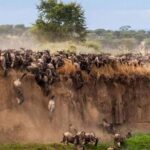
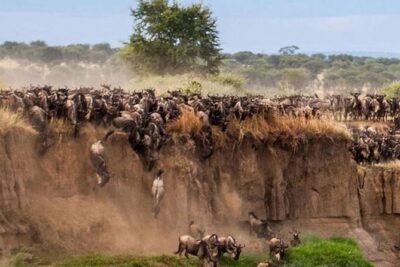
The guide also frames what you are seeing with a bit of local meaning. The name Maasai comes from Maa language, and Mara means spotted. That may sound like word trivia, but it makes sense in a park where visibility and spotting are everything. You also get the context that Mara covers about 1500 km2 and is part of the famous annual migration story between Serengeti in Tanzania and the Maasai Mara. Even if you are not watching herds cross at this exact moment, the park is built around movement, and predators are built around opportunities.
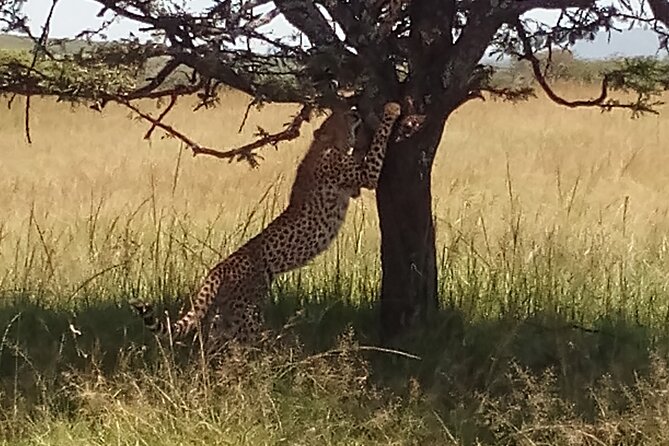
In a day like this, you can hope for lions, cheetahs, zebras, and leopards, plus giraffes, and crocodiles. Mara’s mix is part of why people keep coming back. One moment you are scanning grasslands for cats. Another moment you are tracking water and edges where reptiles and other animals show up.
A key thing to remember: you are not “guaranteed lions on cue.” Game viewing here is still wildlife viewing, meaning you might spend time watching tracks, repositioning, and waiting for the next turn. But because you have a long day, you are not forced into the worst-case scenario of seeing only a couple animals and calling it a day.
Practical takeaway: use the time to do what Mara needs, slow scanning, relaxed watching, and letting your guide read the ground. It is one of those places where paying attention is the whole experience.
Nakuru appears on many routes. Others listed below
Final morning in Maasai Mara: last light, then back to Nairobi
Day five keeps the rhythm going with another early game drive. Again, the point is timing, when animals are active and easier to spot. The tour also highlights sunrise with animals on the horizon, which is that Mara classic view where the savanna seems to stretch forever and your subjects are small dots that become big moments as you close the distance.
After the early drive, you return for breakfast and then leave Maasai Mara at 1000. You drive back toward Nairobi, with lunch on route. You arrive at your residence or transfer to Jomo Kenyatta International Airport.
Practical takeaway: this last day is not about packing in one last “must-see.” It is about finishing Mara cleanly. You get that final push in the morning, then you go home while your eyes are still full of the day’s colors and movement.
Guides that shape the whole experience
This safari is not just about parks on a map. It is also about the guide skill that turns hours into meaningful sightings and turns a drive into a story you can repeat.
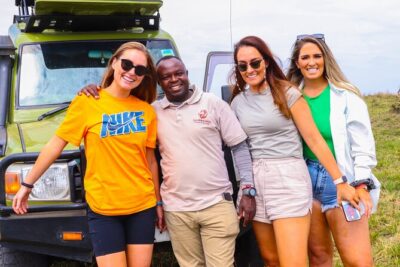
One highlight that shows up clearly is the way guides were praised for both professionalism and for adding local flavor. Names mentioned include Simon and Weru. In particular, Weru was credited with strong knowledge of culture and with sharing specific information on local flora and fauna. Simon also received thanks for helping the group enjoy the route and the wildlife, which suggests your guide is not just driving, but actively working to make each day click.
For you, that means the itinerary is more flexible than it might sound on paper. A good guide can change the order of a stop, shift a route when animals are moving, and explain what you are looking at so you do not feel like you are just watching from the outside.
Another factor that helps: this is a private tour/activity, meaning only your group participates. That matters more than people expect. You get quieter vehicle time, fewer competing voices, and a chance to ask questions when you actually see something interesting.
Price and value: what $1,670 buys in real safari terms
At $1,670 per person for about five days, you are paying for more than a seat. You are paying for:
- Multi-park access across Aberdare, Nakuru, and Maasai Mara
- Park time that includes multiple game drives and structured viewing moments
- A trip flow that mixes lodge-based wildlife viewing in Aberdare with open-country drives in Mara
- Pickup offered, plus a mobile ticket
- Admission tickets listed as free
That last point is not trivial. When admission is handled inside the price, you avoid surprise add-ons and you can focus on the safari itself.
Is it a “cheap safari”? Not really. But it is also not just a one-park weekend. You are getting three distinct ecosystems in five days, with early morning wildlife time and sunset time at the lake. If your goal is variety in a short window, this kind of routing usually makes sense. You spend less of your trip just transferring, and more of your trip in the places that do the talking.
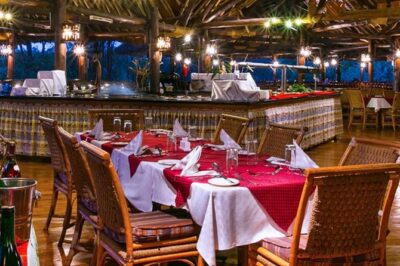
One more value note: lodges are part of the experience here. Outspan Hotel, Treetop Lodge, Lake Nakuru Lodge, and Sekenani Camp show up as the bases for meals and resting between drives. That structure helps you keep the days from feeling like endless pick up, drop off, repeat.
Who should choose this safari route
This tour fits best if you want a balanced Kenya sampler, not just one iconic park.
It is a great match for:
- Couples who want a mix of romance visuals, like flamingo sunsets and sunrise light in Mara
- Families who want variety across different wildlife settings in a short trip window
- Wildlife lovers who enjoy early starts and long viewing sessions, especially in Mara
It also fits people who are okay with a moderate physical fitness level. The itinerary includes early mornings and full game-drive days, so plan for long sitting stretches and a schedule that starts earlier than your usual vacation wake-up time.
If you are the type who hates early mornings, then this might feel like work. But if you like wildlife at its most active, you are playing to the tour’s strengths.
Should you book this 5-day Aberdare, Nakuru, and Maasai Mara safari?
I would book it if your dream Kenya safari includes three different “modes” of wildlife viewing in one week. Aberdare’s forest water point is a different kind of thrill. Lake Nakuru’s flamingo sunsets add a color-and-quiet moment. Maasai Mara brings the big-cat focus with early drives and a full day of searching.
I would think twice if you want a slow vacation with lots of downtime. This route is efficient, which is great for variety, but it also means early starts, long drives, and a packed rhythm.
If you can handle that, this is a strong value way to see Kenya’s best-known ecosystems in one trip, with guides who have clearly earned praise for making the experience feel smooth and personal.
FAQ
What parks are included in the 5-day safari?
The safari covers Aberdare National Park, Lake Nakuru National Park, and Maasai Mara National Reserve.
Where does the trip start and where do you return?
It starts in Nairobi and returns you to your residence in Nairobi or to Jomo Kenyatta International Airport.
How long is the safari?
It runs for about 5 days.
What is the price per person?
The price is listed as $1,670.00 per person.
Is pickup offered?
Pickup is offered.
Is this a private tour?
Yes, it is a private tour, and only your group participates.
Are admission tickets included?
Admission tickets are listed as free.
What is the cancellation policy?
Free cancellation is available up to 24 hours in advance for a full refund. If you cancel less than 24 hours before the start time, the amount paid is not refunded.
Higher Up Mount Kenya


Around Lake Nakuru
Into the Mara Another Way

Everything else we hold on Nairobi
- 7 Days Private 4 star lodges Safari by LandCruiser from Nairobi★ 5.0 · 3 reviews
- 5 Days/4 Nights Kenya Safari★ 4.5 · 3 reviews
- Safari Park Hotel Show & Dinner Experience In Nairobi Tour★ 3.6 · 3 reviews
- Day safari to Olpejeta Rhino conservancy★ 5.0 · 3 reviews
- 7 Days Breathtaking Kenya Wildlife Private Safari★ 5.0 · 3 reviews
- Overnight Amboseli National Park Safari from Nairobi★ 5.0 · 3 reviews
Maasai Mara Safaris, compared.
 ★ 5.03 Days Masai Mara Group JoiningFrom $540486 reviews
 ★ 4.5From Nairobi: 3 Days, 2 Nights Maasai Mara Group SafariFrom $199394 reviews
 ★ 5.05 Days Masai Mara, Lake Nakuru & Naivasha Budget Joining SafariFrom $810229 reviews
 ★ 5.03 Days Gamedrive Safari In Masai Mara From NairobiFrom $555207 reviews
 ★ 4.6From Nairobi: 3 – Days Maasai Mara Group Safari by 4WDFrom $240205 reviews
 ★ 4.53 Days Maasai Mara Guided Safari from NairobiFrom $196195 reviews
 ★ 5.03 Day Masai Mara SafariFrom $929177 reviews
 ★ 5.03 days group joining safari to Maasai Mara with a Land Cruiser JeepFrom $221173 reviews
Appears in these lists