
REVIEW · MOUNT KENYA TREKS
5 Days Mt. Kenya Sirimon route out Chogoria Route with Peak Circuit
A summit on Mount Kenya feels like a big promise, even on paper. This 5-day private trek from Nairobi strings together Sirimon and Chogoria scenery, then times the toughest work with smart acclimatization around Shipton’s and the Peak Circuit.
I especially love that you get a team running the details, with English-speaking guides and porter support so you can focus on your step. I also love the value of packing light because camping gear, tents, mats, and meals are provided. The main thing to consider is that this is a high-altitude climb to 4,985m, so you need to take the pacing and rest days seriously, even if you feel fit.
In This Review
- Key things I’d watch before you go
- Sirimon to Chogoria: the route logic that helps you summit
- Day 1 from Nairobi to Old Moses Camp: forest walking and an early acclimation
- Day 2 Old Moses to Shipton’s Camp: long, scenic moorlands at 4,200m
- Day 3 Peak Circuit acclimatization: the hike that earns the summit
- Day 4 summit morning to Pt. Lenana: sunrise, cold tea, and huge views
- Day 5 Chogoria Bandas back to Nairobi: bamboo forest walking and relief
- What the $960 price includes, and where the real value is
- The human side: guides, chefs, and why safety feels practical
- Pacing, fitness, and packing advice for a 4,985m summit
- Weather reality and why it affects the whole plan
- Should you book this Mount Kenya trek?
- FAQ
- How many days is the Mount Kenya trek, and what is the route like?
- What time do we start on the first day?
- How high do you go on the summit?
- Are meals included during the trek?
- Is camping equipment provided?
- Is this tour private?
- What happens if weather is poor?
Key things I’d watch before you go
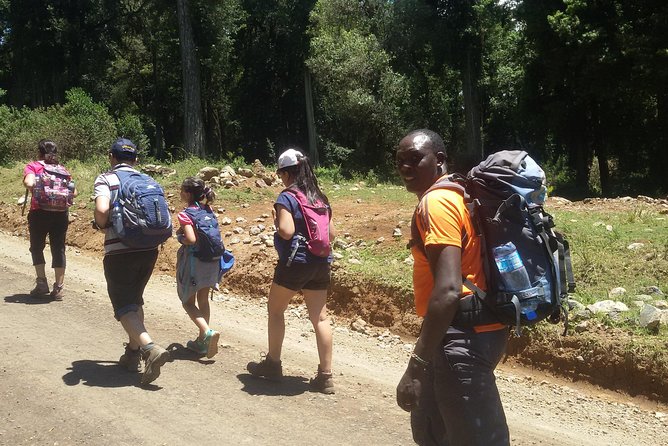
- Private trek for your group so the pace and support can match your hiking level.
- Meals plus camping equipment means less weight on your back and fewer logistics headaches.
- Peak Circuit on Day 3 is designed for acclimatization before the Lenana push.
- Early summit start with tea and biscuits, so you’re moving in the cold and climbing toward sunrise.
- Sirimon to Chogoria route variety gives you forest, moorlands, ridges, and steep descents.
Chogoria, Sirimon, Naro Moru. Longer routes up
Sirimon to Chogoria: the route logic that helps you summit
Mount Kenya rewards patience. This route is built around that idea, starting you on the Sirimon side and working toward Lenana at 4,985m, then bringing you back down toward Chogoria Bandas before you return to Nairobi. The big win here is not just the final summit. It is how the hike stages altitude so you are not jumping straight into the highest elevations.
Day 1 gets you moving from Nairobi early, then you ease into the park with a forest approach. Day 2 climbs to Shipton’s Camp at about 4,200m, which is already high enough to feel it. Day 3 is the Peak Circuit, a full acclimatization day at altitude before the real summit morning. If you like hikes that make you feel like you are being guided by altitude science, this itinerary fits.
Also, it is a private experience. That matters more than people expect on a mountain. You are not constantly adjusting to a group that moves at a different rhythm, and your guide can respond if you need extra minutes to catch your breath.
Day 1 from Nairobi to Old Moses Camp: forest walking and an early acclimation
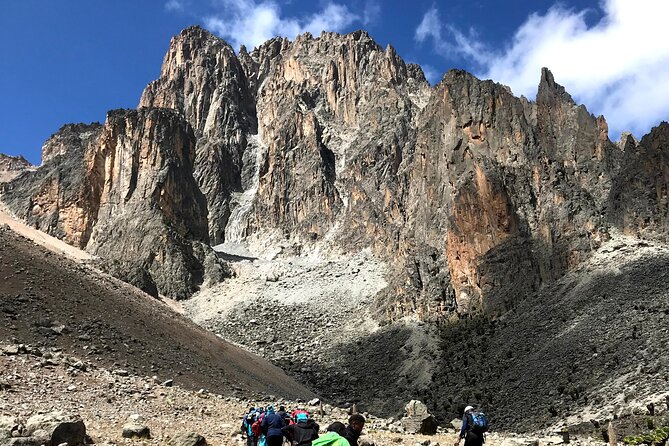
You leave Nairobi at 06:30 by private transport and reach Nanyuki around 10:00. From there you link up with your guide, cook, and porters, then head to Sirimon Gate at about 2,650m. This is a good setup because you are already high before your hiking boots even fully heat up.
Your first hike takes you through rain forest to Old Moses Camp at about 3,300m. The distance is around 9 km, with about 3 hours of walking time. You also get a picnic lunch on the way at some point. The trail includes a little time where you might see wildlife such as buffalo, elephants, waterbucks, and other game. In practice, it is never a guarantee, but the chance is real because you are in the park.
Once you reach Old Moses, you have dinner and sleep at the camp inside the park. Then, if you feel good, you can take a short 1-hour walk around 16:00 to help you acclimatize. This is a small detail, but it is smart. Light movement helps you settle instead of going from zero activity straight into full sleep mode.
A practical note: rain forest hiking often means cooler air and mud. Good grip matters more than speed on this kind of first day.
Day 2 Old Moses to Shipton’s Camp: long, scenic moorlands at 4,200m
Day 2 shifts you from forest to moorland scenery. After breakfast, you hike a relatively easy stretch of trail that crosses the Ontulili River, then continues through moorland vegetation. You cross the Liki North River and keep going uphill toward Mackinders Valley, where panoramic views start to open up.
The day is longer than Day 1. You are looking at about 16 km and roughly 6 hours of walking to reach Shipton’s Camp at about 4,200m. Lunch is served somewhere along the way. In other words, this is not a quick slog. Plan for steady effort and constant breath management.
This is also where you start to feel why “packing light” matters. Even with porter support for your climb, the comfort of your own daypack, water, and layers makes a real difference. At these elevations, you can feel both cold and exertion, sometimes within minutes.
Shipton’s Camp is known for its dramatic setting, and at this altitude, camps tend to come with a bit of a mental reset. You wake up high, you sleep high, and you build trust with your rhythm. You are also setting yourself up for Day 3, when the Peak Circuit becomes the true work.
Day 3 Peak Circuit acclimatization: the hike that earns the summit
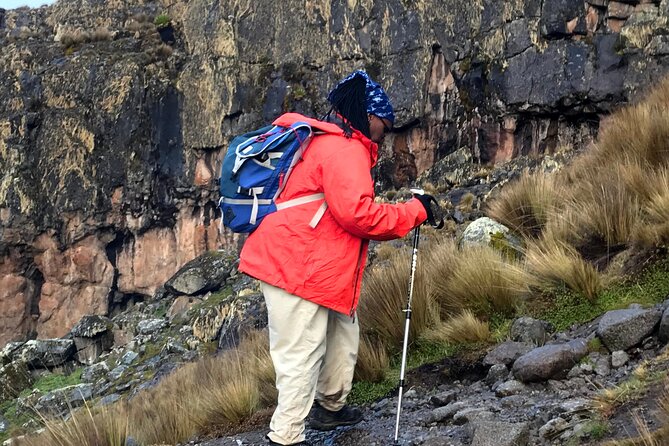
Day 3 is where you should stop thinking of this as a “day off” and start thinking of it as a day that protects your summit. From Shipton’s Camp, the route leads to Kami Camp below the north face of Batian. Then you continue along trails that climb toward a ridge around 4,600m, hiking through scree along the way.
You reach Hausberg col at about 4,590m, then descend into the upper Hausberg valley to rest near the Hausberg tarns. After that, the trail climbs again to a ridge called Arthur’s seat, with rock ledges that give you a sense of the mountain’s structure and scale.
This is the day that teaches you how to move at altitude without burning out. Scree slows your legs and forces you to stay present. That is good. You are training your body to hike hard while your breathing stays controlled.
The payoff is not just physical. It is confidence. By the time you camp and recover on Day 3, you have already “paid” the altitude bill in smaller chunks. Your summit morning will feel like the next step rather than a surprise assault.
There is also a subtle reason this circuit is so valuable: it breaks the summit day into an achievable target. You are not guessing how you’ll handle high ridges. You already did them.
Other Nairobi bookings that survived the same scrutiny
Day 4 summit morning to Pt. Lenana: sunrise, cold tea, and huge views
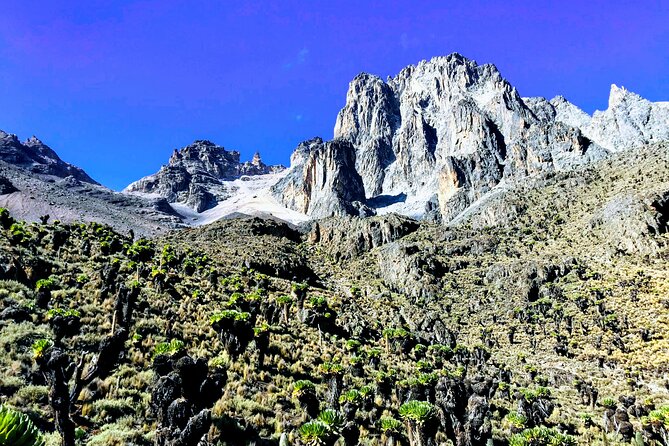
This is the moment the whole trek bends toward. You wake up around 04:30 for tea and biscuits, then start the summit attempt at first light. The goal is Point Lenana at 4,985m. This is not a technical climb in the way some mountains are, but it is still a serious altitude challenge. Cold air, thinner oxygen, and tired legs all stack up.
If the weather is clear, you may see distant peaks including Kilimanjaro Kibo and Mawenzi from the summit at dawn. Even without that, the views at sunrise are the kind that make you forget how late your alarm is.
After the summit, you descend to Mintos Hut for a full breakfast. That is another smart design choice. It gives you a recovery checkpoint after the hardest part of the day, so you can refuel before the descent continues.
Then comes a long downhill stretch to Chogoria Bandas. The plan includes passing scenery like Lake Ellis, Mugi hills, Vivien Falls, and the Giant Billiards table at a distance. The full day is described as about 8 hours, covering about 24 km, with around 195 m ascent and roughly 2,085 m descent. That descent figure is why you should bring trekking poles if you use them, and why your legs will feel like they are learning new muscles.
Once you reach the Chogoria Bandas area, you sleep after a day that blends summit effort with a major altitude drop. This is the day you earn your rest.
Day 5 Chogoria Bandas back to Nairobi: bamboo forest walking and relief
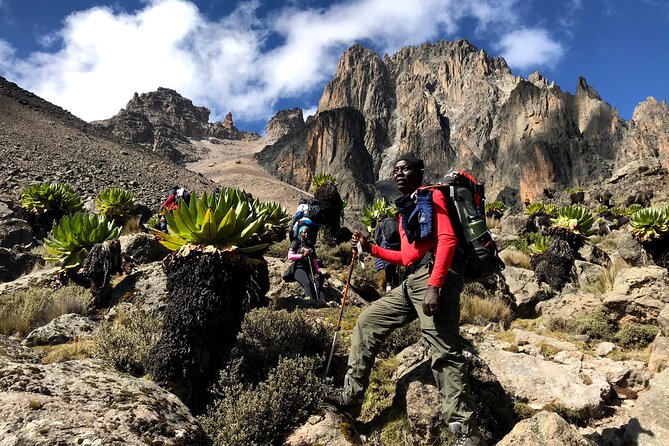
Your final morning starts with breakfast, then you descend for about 10 km through a bamboo forest. This is a nice contrast to the previous days. It is still movement, but the environment feels softer after ridge and scree.
After that walk, you are picked up by private transport in Chogoria. You then drive back to Nairobi, with arrival around 15:00. You finish the trek and say goodbye to the porters.
Overnight in Nairobi is not included, so you will need to plan your own hotel (though the provider can arrange it). For many people, this is actually a plus because it gives you control over the kind of Nairobi comfort you want after the mountain.
If you are the type who likes stretching out after a hike, this final day is gentle enough to enjoy without feeling like you are still chasing altitude.
What the $960 price includes, and where the real value is
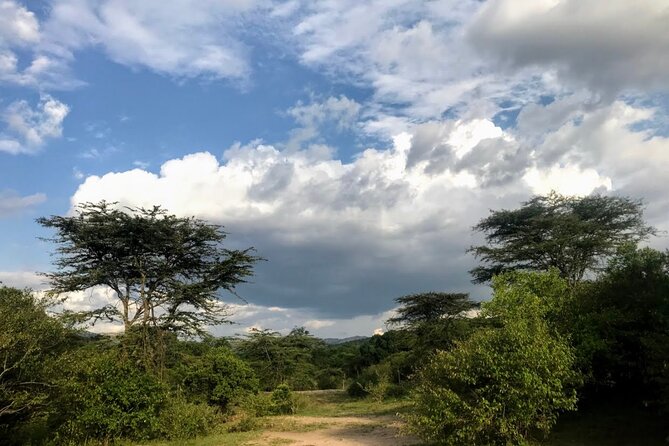
$960 per person is not cheap, but on Mount Kenya, the cost makes more sense when you look at what is carried by the operator and support team. This trek includes private transportation, all fees and taxes, and the camping setup, including tents and mats. It also includes the on-mountain service for the full five days, with meals laid out as 5 breakfasts, 5 lunches, and 4 dinners.
You also get English-speaking mountain guides and porter support for the climb. That last part matters. Many treks fail not because the guide is bad, but because the logistics and load are on you. Here, the aim is to let you hike without turning your pack into a second job.
You will still want your own hiking clothing and personal items, and the provider shares an equipment list on request. Tips for guides and porters are not included, so you should budget for that in your overall trip planning.
In the real-world reviews, the consistency that shows up is the support team. One experience highlighted an excellent guide, David, plus chef John and chef George, and praised the porters and overall team quality. Another mention gave credit to owner James for routing choices based on experience, plus a guide named Richard who focused on safe ascent and descent. Another review also emphasized a main guide named Georg, and praised how the hike felt challenging but well managed given altitude concerns.
So the value you are paying for is not just beds and food. It is guided pacing, safety support, and the fact that your team is there to run the mountain machine.
The human side: guides, chefs, and why safety feels practical
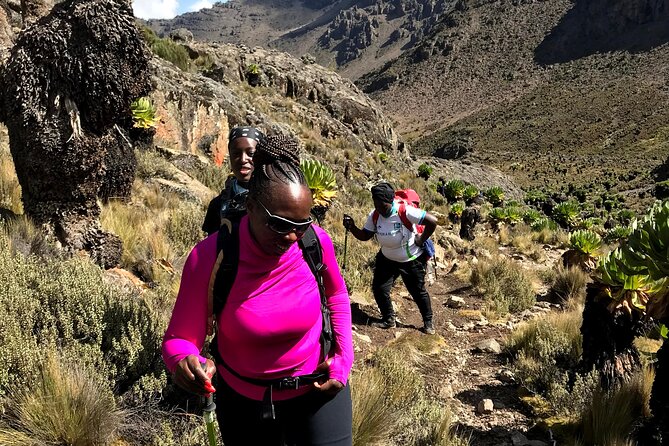
On a mountain like this, “good” guidance looks like quiet competence. The experiences I’m using as reference repeatedly name specific people, which is a good sign of accountability. David is named for guide quality, and John and George for meals that kept the group functioning. Richard is credited for getting a summit attempt done safely and for knowing the plants along the way. James is mentioned for planning based on hiking background. And Georg is mentioned as the main guide when altitude worries were front and center.
What you should take from that is simple: pick a company that staffs its trek well and keeps the same team around you. Private trekking makes that easier, because you are not passing through someone else’s group rhythm.
You also want a team that treats acclimatization as a non-negotiable. This route does that with the Peak Circuit. Your job is to listen, slow down when asked, and communicate honestly when you feel symptoms. A guide who has done this before can usually tell the difference between normal fatigue and a problem early.
Pacing, fitness, and packing advice for a 4,985m summit
This trek is listed for travelers with moderate physical fitness. That does not mean “easy.” It means the mountain is challenging but manageable if you plan properly.
Your biggest time demands are on the long hiking days:
- Day 2 is about 16 km and roughly 6 hours.
- Day 3 includes a long acclimatization outing at high altitude with scree and ridge walking.
- Day 4 includes an early start and then a long descent after the summit attempt.
Because the plan includes a lot of ascent and then significant descent, you should prioritize:
- Steady hiking stamina over speed
- Comfortable shoes with grip for rocky and potentially wet sections
- Layers for early cold mornings and warmer daytime walking
- A realistic water plan for high altitude hiking
You do not need to carry all camping gear because tents and mats are provided, but you will still want essentials in your daypack. Also, since this is private, you can coordinate with your guide about what to carry and what to keep accessible.
Weather reality and why it affects the whole plan
This trek requires good weather. If conditions are poor, the experience can be canceled, and you should expect either a different date or a full refund. That is not a “maybe someday” situation. With summit attempts, weather is everything.
If you are flexible with your travel dates, you give yourself a better chance of hitting the planned summit window. If you are on a hard deadline, ask what the provider’s rebooking options look like for your specific dates.
One more practical thing: even on good-weather days, mornings can be cold, especially with an early 04:30 wake-up. Bring layers that you can put on fast without wasting time.
Should you book this Mount Kenya trek?
Yes, if you want a focused, well-supported route with a real chance to summit Pt. Lenana and you like the logic of acclimatization. This itinerary is not just about ticking a peak. It’s about pacing through Old Moses, settling into Shipton’s Camp, then tackling the Peak Circuit before the summit day. That is the difference between a bold plan and a workable one.
You should think twice if you are easily discouraged by long days, or if altitude is a big unknown for you. Even with guides and support, your body still decides how the summit goes. If you bring patience and follow your guide’s advice, you’ll have a far better experience.
If you book, I’d do it with two priorities in mind. First, confirm your equipment list so your packing is smart. Second, tell your guide honestly about your fitness and any altitude concerns early. With support teams that include guides like David and Richard (and a thoughtful owner like James, in at least one experience I reviewed), you are more likely to get a plan that fits you, not just a route that checks boxes.
That combination, plus the practical value of meals, camping gear, and porter support, is why this Mount Kenya trek can be a strong choice.
FAQ
How many days is the Mount Kenya trek, and what is the route like?
It is a 5-day trek starting from Nairobi, hiking into Mount Kenya National Park via the Sirimon route, and returning via the Chogoria route after reaching Lenana on the peak circuit plan.
What time do we start on the first day?
The start time is 6:30 am, with departure from Nairobi at about 06.30am.
How high do you go on the summit?
The summit target is Point Lenana at about 4,985 meters.
Are meals included during the trek?
Yes. Lunches (5), breakfasts (5), and dinners (4) are included during the mountain days.
Is camping equipment provided?
Yes. Camping equipment including tents and mats is included.
Is this tour private?
Yes. It is private, meaning only your group participates.
What happens if weather is poor?
The experience requires good weather. If it is canceled due to poor weather, you will be offered a different date or a full refund.
More 5-Day Experiences in Nairobi



More Tour Reviews in Nairobi



Higher Up Mount Kenya


Everything else we hold on Nairobi
- 7 Days Private 4 star lodges Safari by LandCruiser from Nairobi★ 5.0 · 3 reviews
- 5 Days/4 Nights Kenya Safari★ 4.5 · 3 reviews
- Safari Park Hotel Show & Dinner Experience In Nairobi Tour★ 3.6 · 3 reviews
- Day safari to Olpejeta Rhino conservancy★ 5.0 · 3 reviews
- 7 Days Breathtaking Kenya Wildlife Private Safari★ 5.0 · 3 reviews
- Overnight Amboseli National Park Safari from Nairobi★ 5.0 · 3 reviews
Mount Kenya Treks, compared.
 ★ 5.0Climbing Mount Kenya 5 Days Via Chogoria RouteFrom $99044 reviews
 ★ 5.0Samburu/ Aberdare/ Lake Nakuru/ Masai Mara 7 Days SafariFrom $1,93537 reviews
 ★ 5.07-Days Kenya Safari Samburu, Aberdare, Lake Nakuru, & Maasai MaraFrom $4,99029 reviews
 ★ 5.0Conquer Mt Kenya in 4 Days Sirimon to Chogoria Route AdventureFrom $1,20016 reviews
 ★ 5.04-Day Mount Kenya Trekking with Pick UpFrom $94114 reviews
 ★ 4.54 Days Mt Kenya Climb, Chogoria Route up and out Sirimon routeFrom $84011 reviews
 ★ 4.2Mt Kenya: Full-day hiking tour from NairobiFrom $25510 reviews
 ★ 5.05 Days Mount Kenya Climbing Via Chogoria Sirimone RouteFrom $1,6007 reviews
Appears in these lists