
REVIEW · MOUNT KENYA TREKS
4 Days Mount Kenya
Mount Kenya calls early, and it does not whisper. On this 4-day trek from Nairobi, you’ll tackle the Chogoria route up, chase sunrise at Point Lenana, then descend via Sirimon for big alpine views. Along the way, you get the best kind of contrast, loud falls and sparkling streams on the way in, then giant groundsels and lobelia on the way out.
I love how this trip builds momentum day by day, starting with a 4×4-assisted launch through the bamboo forest before you settle into camp at the Mt Kenya Bandas. You also get the kind of support that matters when the trail is long, guides like Duncan and the Equatorial Star crew are focused on keeping you fed, watered, and moving at the right pace.
One consideration: the schedule is not gentle. You start super early on summit day, and Day 3 can run 11 to 12 hours of walking, so you should be ready for long effort and cold morning conditions.
In This Review
- Key highlights you will feel (not just read about)
- Nairobi to Chogoria: the day you leave the city behind
- Bamboo forest to Mt Kenya Bandas: a gentle start that is still real work
- Minto’s Camp and the views over giant hills and deep valleys
- Summit morning at 3 am: Point Lenana’s sunrise payoff
- Old Moses to Sirimon Gate: the easy day that still requires attention
- Price and what $990 covers on this 4-day trek
- Guides like Duncan: why organization matters on long days
- Meals, pacing, and what you can expect each day
- Who this trek fits, and who should think twice
- Should you book 4 Days Mount Kenya with Equatorial Star?
- FAQ
- What time does the trek start?
- Does the tour include pickup?
- Is this a private tour?
- What routes are used for the hike?
- Are meals included?
- Are park fees or admission tickets included?
- Is mountain gear included?
- Is hotel accommodation included?
- What happens if the weather is poor?
Key highlights you will feel (not just read about)
- Chogoria scenes, including Nithi falls and clean rivers and springs that shape the whole mood of the trek
- Bamboo forest start with a 4×4 vehicle that saves your legs from the lowest, hardest ground
- Minto’s Camp timing, aiming to arrive before dark so you can actually enjoy the views
- Point Lenana sunrise, a predawn wake-up that pays off with major summit energy
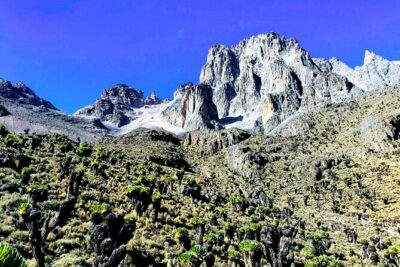
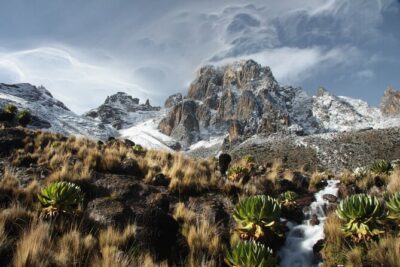
- Sirimon descent, gradual walking plus dramatic flora highlights like groundsels and lobelia
- Private, guided trekking with a team known for organized hikes, good food, and porters
Chogoria, Sirimon, Naro Moru. Longer routes up
Nairobi to Chogoria: the day you leave the city behind
Your day begins at 7:30 am, and you’ll head out of Nairobi toward the Chogoria side of Mount Kenya. The tour includes private transportation, so you are not stuck waiting in a shared vehicle that makes you feel like you are on Kenya time but not in a good way. Pickup is offered, and the start is near public transportation, which helps if you are combining plans around Nairobi.
After the drive, you go for lunch in Chogoria town. That matters more than it sounds. Trekking days go smoother when you start with a proper meal and hydration, not just a rushed snack. Then comes the first real change of environment, you board a 4×4 vehicle to cut across the lower ground and get you to the start of the hike.
Here is the practical part you will appreciate, that 4×4 section reduces the grind of the earliest climbing. It is not about cheating the mountain. It is about setting you up to enjoy the actual trek.
Bamboo forest to Mt Kenya Bandas: a gentle start that is still real work
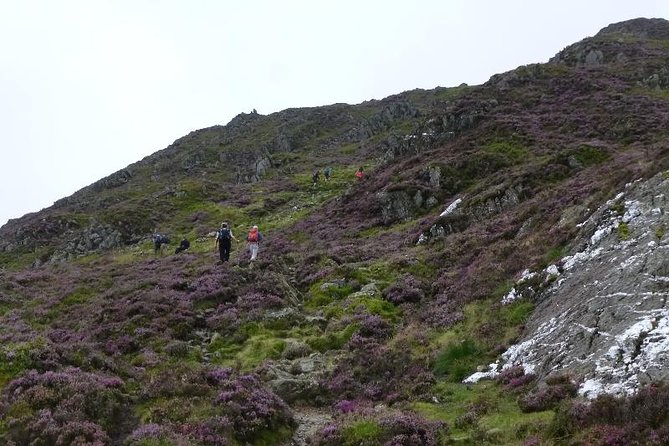
On Day 1, you hike for about 3 hours after reaching the trail start. The route begins through a bamboo forest, and that gives you a clear first payoff. The air feels different, the footpath turns into a focused rhythm, and you get that satisfying feeling of being on a real mountain track, not a quick walk.
By the time you reach Mt Kenya Bandas, you are ready to settle in. Dinner and an overnight stay come here, so you can focus on recovering instead of scrambling for logistics. This is also a smart acclimation step. You are not immediately stacking full summit effort on Day 1. You are building stamina while your body adjusts to altitude pressure and cooler temperatures.
Potential drawback on Day 1 is simple. Even a shorter hike can feel longer when you are walking after a driving day. Your best move is to treat Day 1 like a warm-up, keep your pace steady, and do not race uphill like you are trying to win a race you did not enter.
Minto’s Camp and the views over giant hills and deep valleys
Day 2 starts early after breakfast, and the goal is to reach Minto’s Camp before it gets dark. You walk for about 9 hours, which is a full trekking day, but the early start also means you are more likely to enjoy views instead of hiking into nighttime.
As you move along the Chogoria side, the scenery cues are specific. You’ll experience the Mugi hills with a good chance for bird watching, plus moments that open up into broad views of peaks ahead and the vast plains below. You also get the striking feature people talk about on this route, the giant billiards table.
There is also a lot of water-related scenery built into the Chogoria reputation, including Nithi falls, along with clean, sparkly rivers and springs. Even when you do not have time for a long stop, knowing those features are part of the corridor helps you understand why this route feels lively.
Plan for a picnic lunch on the move and occasional stopovers to drink and refill your water bottles. That rhythm is important on Day 2 because you need steady energy before tomorrow’s summit day.
Dinner and overnight are at Minto’s campsite. The main win here is timing. If you arrive before dark, your brain stays engaged. You get to see what you are walking through, not just track distance in the dark.
Summit morning at 3 am: Point Lenana’s sunrise payoff
Day 3 is the big one. You start at 3:00 am to catch sunrise at Point Lenana. That is a brutal-sounding hour, but it is also the whole point of a summit day. You get that moment where the mountain shifts from a hard climb into a reward you can actually feel.
After sunrise, you descend to Shimpton’s Camp for breakfast. That stop is key. It breaks up the day and keeps you from pushing too hard on low fuel. From there, you continue to Old Moses for the night.
This is also your longest walking day. Expect 11 to 12 hours of hiking. The descent is described as gradual via the Sirimon route, and that word gradual matters because it changes how you manage your knees and energy. On top of that, you get an environmental storyline. You pass through Mackinder’s valley, where the flora and fauna draw your attention instead of forcing you to focus only on footing.
One more thing that is easy to overlook when you read schedules, Sirimon’s descent is known for views of giant groundsels and lobelia. That is the kind of detail that makes the hours feel purposeful, not just exhausting.
Other Nairobi bookings that survived the same scrutiny
Old Moses to Sirimon Gate: the easy day that still requires attention
Day 4 is your recovery and return day. After breakfast, you start a gentle descent to the Sirimon gate, taking about 2 hours, up to 3 hours at most. That short window makes a real difference if you are tired. It means you still have time to think, breathe, and enjoy the last views instead of racing the clock.
Once you reach the gate, an awaiting vehicle takes you back to Nairobi. You get a clean end to the trek, with private transportation handling the move from the mountain environment back to city life.
A practical tip for this final day: do not treat it as a victory lap. Your legs might feel shaky after the prior days. Keep your steps controlled on the descent. It is the kind of small attention that prevents a big regret.
Price and what $990 covers on this 4-day trek
For $990 over about four days, you are not paying only for hiking. You are paying for a bundle that usually costs money in separate pieces: all fees and taxes, admission tickets, private transportation, plus meals.
Here is what is clearly included:
- Lunches (4), breakfasts (4), and dinners (4)
- All fees and taxes
- Private transportation
- Admission tickets included
That matters because on mountain trips, the add-ons are what can surprise you. With meals handled for every day, you avoid scrambling for food at the wrong time. With tickets and fees handled, you avoid last-minute paperwork or confusing pay points.
What is not included:
- Mountain gear
- Soft drinks and alcohol
- Hotel accommodation
So, value depends on what you already have. If you need to rent or buy gear, budget for it. If you are expecting a hotel after the trek, plan for your own lodging since this tour is built around the trek and camp nights, not a hotel package.
Guides like Duncan: why organization matters on long days
What stands out most from the experience feedback is the guiding style. The Equatorial Star team is known for top quality guidance, and the vibe is described as friendly, flexible, and professional. That is not just nice talk. On a trek with sunrise at 3 am and a long Day 3, the difference between a smooth hike and a chaotic one is how the guide manages pace, stops, and supplies.
Guiding names matter here. Duncan is specifically mentioned as a guide who helps plan the hikes effectively. There is also direct mention that the team takes care that you have enough food and water during the trek. In practice, that means the pacing feels deliberate rather than random. You are not constantly wondering where the next refill will come from, because the schedule already includes water drink and refill stopovers.
You also have porters referenced in the experience feedback, which can change how the trek feels if you would rather focus on walking than carrying everything. Even without getting into gear details, having professional support is a big part of why this kind of trek feels doable at the right intensity.
Meals, pacing, and what you can expect each day
This trek has structured eating built in, not just a free-for-all. You will eat:
- Day 1: lunch before the hike, then dinner and overnight at Mt Kenya Bandas
- Day 2: breakfast early, then picnic lunch, then dinner and overnight at Minto’s campsite
- Day 3: breakfast after the summit descent to Shimpton’s Camp, then dinner and overnight at Old Moses
- Day 4: breakfast, then you finish the descent and return to Nairobi
Because meals are included for all four days, you can plan your energy with fewer surprises. Also, the itinerary timing is designed to balance effort. Day 1 is moderate, Day 2 is longer but daylight-friendly, Day 3 is long and predawn-heavy, and Day 4 gives you a calmer descent.
If you have a sensitive stomach or you get tired of heavy food after long days, you will still have the same base plan. The key is to keep your eating steady early, so you do not hit a wall on Day 3.
Who this trek fits, and who should think twice
This experience is aimed at people with moderate physical fitness. That is fair and honest. You are walking multiple hours per day, plus Day 3 at 11 to 12 hours, and you start before sunrise on summit day.
If you hate early alarms, this trek will still work, but it demands commitment. The 3 am wake-up for Point Lenana is not optional if you want the sunrise moment described on this route.
Another fit issue is gear. Mountain gear is not included, so you need to be ready with what the trek requires. If you are unsure what you need, confirm details before you go so you are not scrambling last minute.
Weather also matters. The experience requires good weather. If weather forces a change, you are offered a different date or a full refund, but that means your dates should be flexible enough to absorb a weather adjustment.
Should you book 4 Days Mount Kenya with Equatorial Star?
I think you should book if you want the classic Mount Kenya rhythm, Chogoria up, Lenana sunrise, then a Sirimon descent with big vegetation highlights. You also want value that shows up in real-world ways, like meals handled, fees and tickets included, and private transport so the day flows.
Skip it or adjust expectations if you are not ready for long walking days and a very early summit start. Also take seriously that you must bring your own mountain gear and your own hotel accommodation plan.
If your goal is a guided, organized trek with a team focused on keeping you fed and moving, this one is easy to get excited about.
FAQ
What time does the trek start?
The start time is 7:30 am.
Does the tour include pickup?
Yes, pickup is offered.
Is this a private tour?
Yes. It is private, and only your group participates.
What routes are used for the hike?
You go up via the Chogoria route and descend via the Sirimon route.
Are meals included?
Yes. Lunch (4), breakfast (4), and dinner (4) are included.
Are park fees or admission tickets included?
Yes. All fees and taxes are included, and admission tickets are included.
Is mountain gear included?
No. Mountain gear is not included.
Is hotel accommodation included?
No. Hotel accommodation is not included.
What happens if the weather is poor?
If the experience is canceled due to poor weather, you will be offered a different date or a full refund.
More 4-Day Experiences in Nairobi





More Tour Reviews in Nairobi






Higher Up Mount Kenya


Everything else we hold on Nairobi
- 7 Days Private 4 star lodges Safari by LandCruiser from Nairobi★ 5.0 · 3 reviews
- 5 Days/4 Nights Kenya Safari★ 4.5 · 3 reviews
- Safari Park Hotel Show & Dinner Experience In Nairobi Tour★ 3.6 · 3 reviews
- Day safari to Olpejeta Rhino conservancy★ 5.0 · 3 reviews
- 7 Days Breathtaking Kenya Wildlife Private Safari★ 5.0 · 3 reviews
- Overnight Amboseli National Park Safari from Nairobi★ 5.0 · 3 reviews
Mount Kenya Treks, compared.
 ★ 5.0Climbing Mount Kenya 5 Days Via Chogoria RouteFrom $99044 reviews
 ★ 5.0Samburu/ Aberdare/ Lake Nakuru/ Masai Mara 7 Days SafariFrom $1,93537 reviews
 ★ 5.07-Days Kenya Safari Samburu, Aberdare, Lake Nakuru, & Maasai MaraFrom $4,99029 reviews
 ★ 5.0Conquer Mt Kenya in 4 Days Sirimon to Chogoria Route AdventureFrom $1,20016 reviews
 ★ 5.04-Day Mount Kenya Trekking with Pick UpFrom $94114 reviews
 ★ 4.54 Days Mt Kenya Climb, Chogoria Route up and out Sirimon routeFrom $84011 reviews
 ★ 4.2Mt Kenya: Full-day hiking tour from NairobiFrom $25510 reviews
 ★ 5.05 Days Mount Kenya Climbing Via Chogoria Sirimone RouteFrom $1,6007 reviews
Appears in these lists