
REVIEW · MAASAI MARA SAFARIS
4 Days 3 Nights Masai Mara, L.Nakuru Jeep.
A safari that strings together two of Kenya’s best parks is hard to beat. This 4-day run from Nairobi gives you Masai Mara game drives plus Lake Nakuru’s famous birds and rhinos, with full-board meals and a pop-up roof for better viewing.
I especially like how the days are paced for wildlife, not just driving. You get an afternoon game drive on arrival day and then a true full day in Masai Mara for the predator action.
One thing to think about, though, is that not every departure runs as perfectly as the itinerary on paper. In past trips, some people reported vehicle changes and optional add-ons not being discussed clearly in advance, so it’s smart to ask a few questions before you go.
In This Review
- Key Highlights You Will Actually Feel
- Why Masai Mara Plus Lake Nakuru Works
- Nairobi Pickup and the Pop-Up Roof Vehicle Comfort
- Day 1 to Masai Mara: Rift Valley Views and an Afternoon Safari
- Day 2 Full Game Drive in Masai Mara: Big Five Chances at Prime Time
- Day 3 Head to Lake Nakuru: A Shift in Wildlife and a Rest Day
- Day 4 Lake Nakuru Morning: Flamingos, Rhinos, and Rothschild Giraffes
- Accommodation and Meals: Budget Hotels With Full-Board Convenience
- Wildlife Viewing Reality: What You’ll Be Scanning For
- Price and Park Fees: Budget Like a Pro
- Packing and Rules That Keep the Day Easy
- Possible Snags: Vehicle Changes and Optional Stops
- Best Fit: Who This Masai Mara to Nakuru Safari Suits
- Should You Book This Safari?
- FAQ
- Are park entrance fees included in the $332 price?
- How much are the Masai Mara and Lake Nakuru park entrance fees?
- What meals are included during the safari?
- Do you provide pickup from Nairobi?
- Is the Maasai village visit included?
- What should I bring, and are there any rules I should follow?
Key Highlights You Will Actually Feel
- Pop-up roof Land Cruiser for easier spotting and clean photos
- Two different ecosystems in four days, from Mara savannah to Nakuru lake shores
- Full-day Masai Mara with early morning predator chances
- Lake Nakuru bird time where pink flamingos can steal the show
- Cultural visit option to a Maasai village near the route (extra cost)
Other Mara operators, set against one another
Why Masai Mara Plus Lake Nakuru Works
If you have limited time in Kenya, this route hits a great balance. Masai Mara is built for classic savannah safari drama, while Lake Nakuru adds a different kind of excitement, like lake birds and rhino viewing.
You also get a helpful change of scenery every couple of days. That matters because a safari is as much about keeping energy up as it is about spotting animals. With this pace, you are not just rushing from stop to stop.
Another plus is how the driving is planned around the wildlife rhythm. Early mornings tend to be prime time for active predators and grazing animals. Later drives help you catch different behavior before light drops.
Nairobi Pickup and the Pop-Up Roof Vehicle Comfort
Your safari starts with pickup in and around Nairobi. If you are staying in Nairobi CBD hotels, along Westlands near ABC Place, near Mai Mahiu, or in Narok Town along the way, you should be collected as part of the experience.
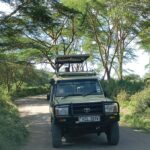
The vehicle is a Land Cruiser group safari with a pop-up roof. That detail sounds small until you are on the road and trying to spot animals through trees and across open plains. The roof gives you a higher viewing angle, and it usually makes photos easier.
Because it is a group joining safari, you should expect normal shared-safari logistics. You might also experience more than one vehicle depending on how transfers are managed that day, so keep some flexibility in your plan and do a quick check-in with your guide if anything changes.
Day 1 to Masai Mara: Rift Valley Views and an Afternoon Safari
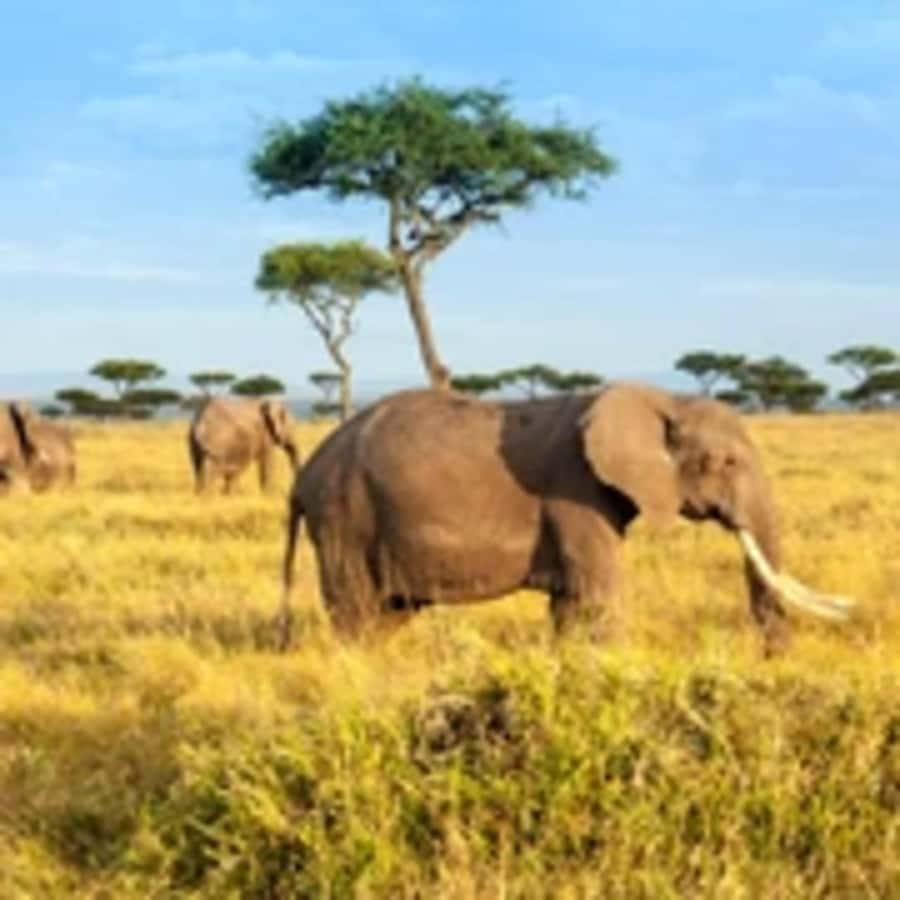
Day 1 is a long but scenic move from Nairobi to Masai Mara, about 5 to 6 hours. You start early, and along the way you get Rift Valley scenery and stop opportunities at viewpoints. These breaks are useful because you are arriving ready to actually enjoy the first game drive, not just survive the transfer.
Once you reach Masai Mara, you check in for lunch. Then you head out for an afternoon game drive, the first chance to see the big cats and other savannah stars.
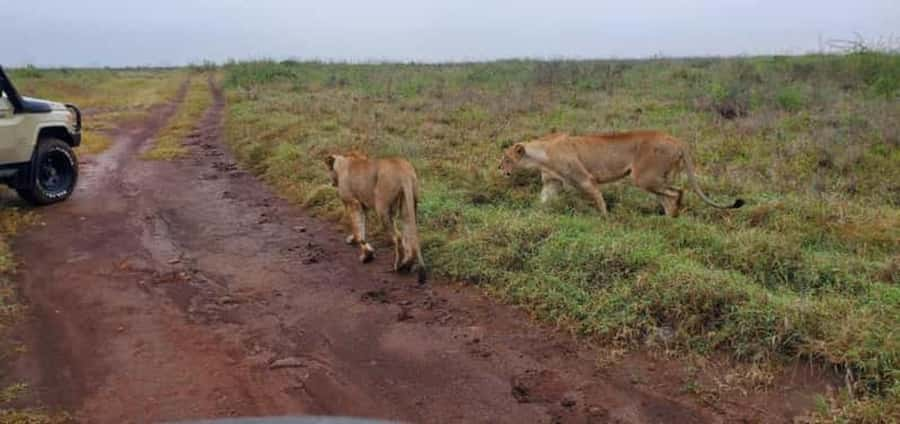
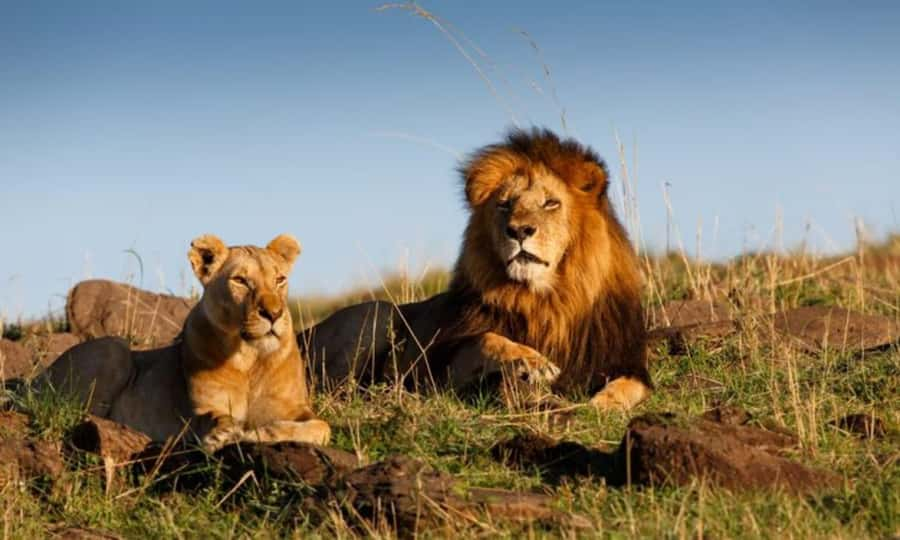
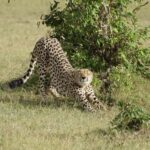
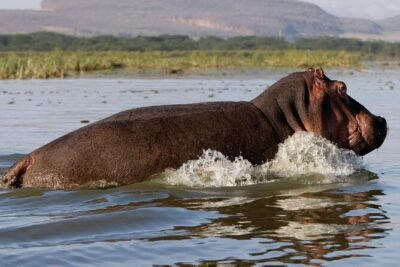
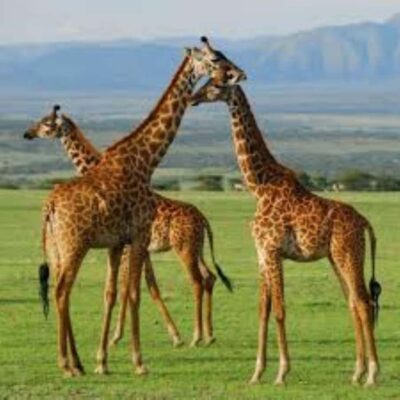
Even on an afternoon drive, Masai Mara delivers plenty of wildlife options. You can reasonably expect to scan for animals like lions, cheetahs, giraffes, zebras, hartebeests, wildebeest, buffaloes, and elephants. The reserve also has plenty of smaller life to watch for, including baboons and hyenas, plus hippos near the water.
Dinner is back at the hotel. This is a good day to slow down after sunset, because tomorrow starts earlier and tends to be more action-packed.
Day 2 Full Game Drive in Masai Mara: Big Five Chances at Prime Time
Day 2 is the day most people come for. After breakfast, you go out on an early morning game drive when the savannah is waking up. Predators can be more active at this time, while herbivores are often grazing in calmer patterns under soft morning light.
The safari aims to connect you with the Big Five: lions, leopards, elephants, buffaloes, and rhinos. The reality of safari viewing is always chance plus timing, but the schedule here is set up to improve your odds.
One of the most interesting parts is how you explore different areas of the reserve. Each section can produce different wildlife sightings, and you also get better chances to spot animals you might otherwise miss when the terrain changes.
You will also stop for a bush picnic lunch inside the reserve. That is one of those moments that turns a drive into an experience, because you are eating where you came to watch wildlife.
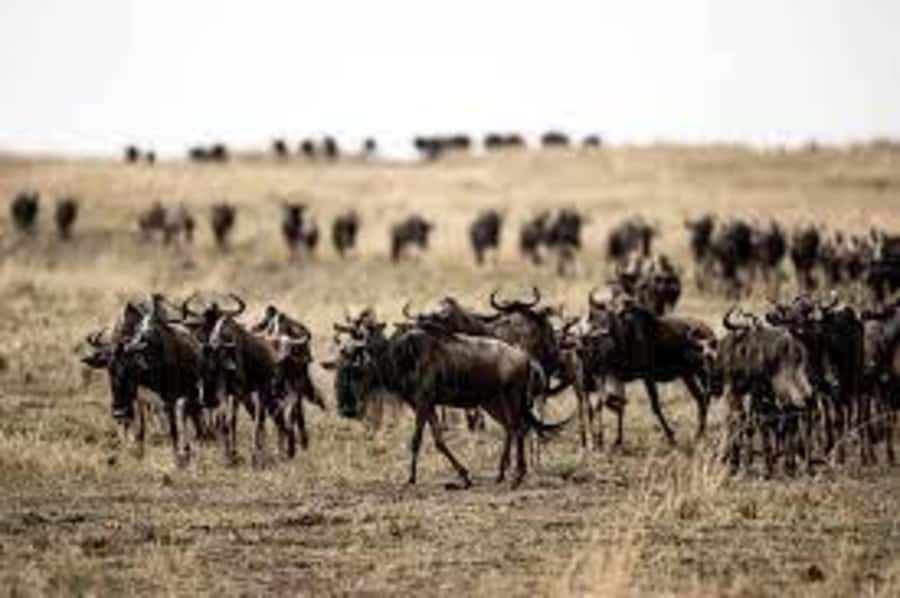
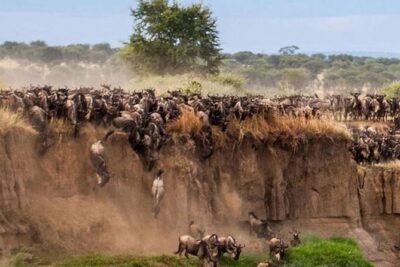
Later, you stop by the Mara River, which is central to the Great Wildebeest Migration season. The migration timing is typically July through October, so if you visit in those months, it can add extra drama to the day.
Dinner returns you to camp or lodge life. You will likely be tired in a good way, the kind of tired that comes from hours of scanning and learning animal behavior from the ground.
Nakuru appears on many routes. Others listed below
Day 3 Head to Lake Nakuru: A Shift in Wildlife and a Rest Day
On Day 3, you leave Masai Mara after breakfast and drive toward Lake Nakuru National Park. The drive is about 5 hours. When you move between parks like this, you are not just traveling, you are changing habitat, and that changes what you spot.
You have an optional stop at a Maasai village for a cultural visit along the park boundaries. This is not included, but it is offered as an extra activity. The cost listed is $20 per person.
You arrive for lunch at Lake Nakuru and check in at the budget hotel. Then you refresh and rest. This rest matters more than people think. By the next morning, you will be up early again, and you want your body to handle the game drive rhythm.
This day is mostly about the transition. Keep your eyes open though. Even when the main focus is moving parks, the road sections can still offer glimpses of the region’s life.
Day 4 Lake Nakuru Morning: Flamingos, Rhinos, and Rothschild Giraffes
Day 4 starts early, with a game drive at Lake Nakuru National Park. The aim is to catch wildlife in action and then wrap the experience up with a final look at the park’s star attractions.
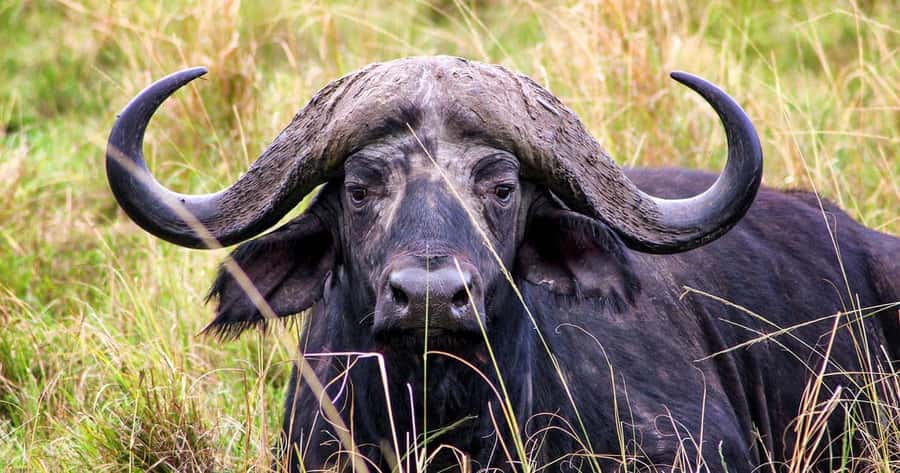
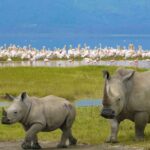
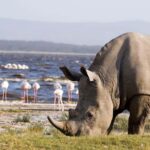
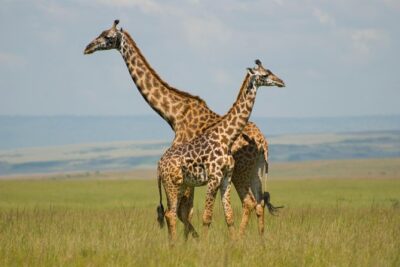
Lake Nakuru is known for rhinos and also for birds that can appear in huge numbers around the lake. The itinerary specifically includes a focus on rhinos, buffaloes, and the rare Rothschild giraffes. That combination is a good reminder that Nakuru is not only about flamingos.
Speaking of flamingos, you should plan time to watch the shoreline. You are looking for thousands of pink flamingos, plus pelicans, cormorants, and other water birds. There is also a chance to see ostriches, kingfishers, storks, herons, and eagles along the lakeside area.
After lunch at the hotel, you check out and drive back to Nairobi. It is a satisfying ending because you finish with both a wildlife highlight and a scenic, bird-focused morning.
Accommodation and Meals: Budget Hotels With Full-Board Convenience
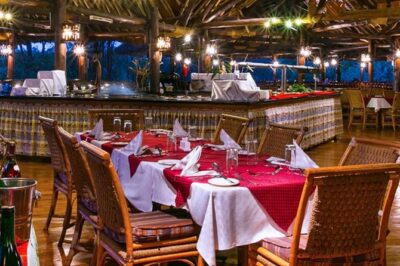
The plan uses budget hotels in both Masai Mara and Lake Nakuru, with full-board meals included. In practical terms, that means your meals are handled, and you do not need to make daily restaurant decisions while you are on safari.
You get breakfast, lunch en route or at stops, dinner, and more food support than many self-driven safaris provide. For your sanity, that is a real value.
That said, budget properties can vary in feel. In one past trip, the mix of accommodations included a better step-up hotel on one of the nights, even with a pool. If you care about comfort details like that, it is worth asking the operator what the specific hotel set looks like for your dates.
Also, note what is not included: drinking water is listed as not included. I recommend you bring a refillable bottle and handle water purchases yourself so you are not hunting for it mid-day.
Wildlife Viewing Reality: What You’ll Be Scanning For
You will spend many hours spotting. The more time you give your eyes, the more you will notice. This safari format is designed for that, with group game drives and a roofed viewing vehicle.
Here is the wildlife range the experience is set up to cover across the two parks:
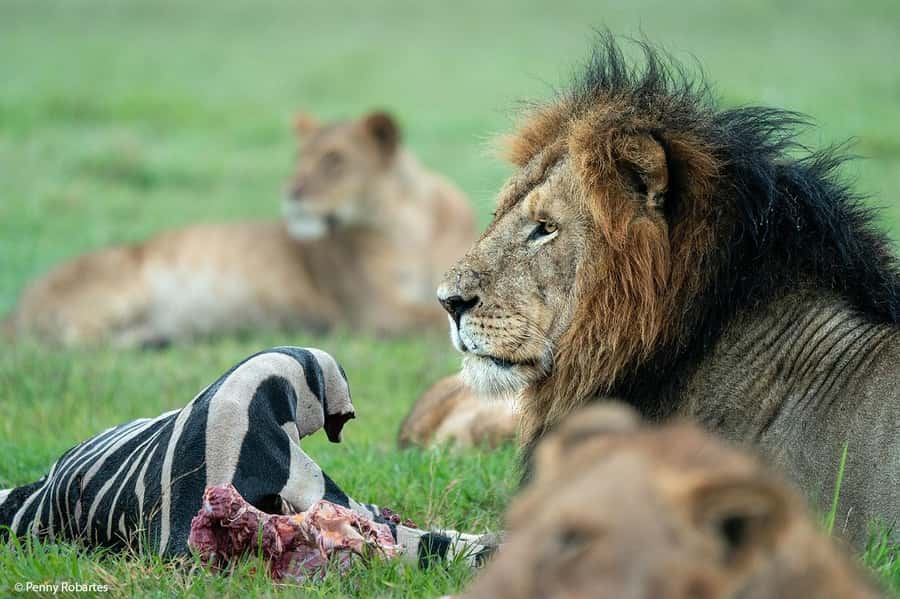
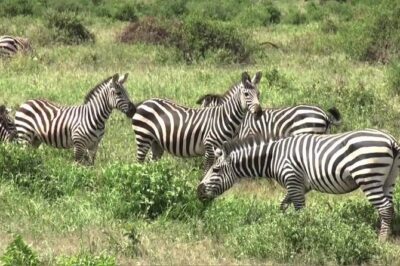
In Masai Mara, look out for lions, cheetahs, hartebeests, wildebeest, elephants, buffaloes, zebras, and hippos. You may also see Maasai giraffes, baboons, warthogs, bat-eared foxes, grey jackals, spotted hyenas, and other plains animals.
In Lake Nakuru, you have the rhino chance, buffalo viewing, and a giraffe highlight with Rothschild giraffes. You also scan for birds on the lake, with pink flamingos as the big visual payoff.
A guide makes a huge difference here. One named guide, Cassandra Dan, was praised for spot-on wildlife detection and serious passion for the work. That kind of eyesight is what helps when animals are hidden in grass or tucked into the background.
Also keep in mind that weather can change the game. One past safari ran rainy and cloudy, but the guide still pushed hard to help the group see as much as possible. If you are traveling in shoulder or rainy seasons, treat it as a scanning challenge, not a guarantee of fewer animals.
Price and Park Fees: Budget Like a Pro
The safari price is listed as $332 per person for 4 days. That is the base cost for transport, full-board accommodation at budget hotels, an English guide service, game drives, and en route lunch.
Park entrance fees are not included. This is where your real total cost can shift a lot depending on month. For Masai Mara, the listed fees are:
- January to June: $200 for 2 entries
- July to December: $400 for 2 entries
Lake Nakuru park entry is listed as $96 throughout the year, and it is described as one fee.
So your park-fee total is roughly:
- Lower season estimate: $200 (Mara) + $96 (Nakuru) = $296
- Higher season estimate: $400 (Mara) + $96 (Nakuru) = $496
If you add that to the $332 base price, you are looking at an all-in range of about $628 to $828 per person, depending on when you travel. Optional items like the Maasai village visit can add another $20 per person.
Is it good value? For most people, yes, because you are paying for safari transport with a roofed viewing vehicle, guided drives, and full meals. The park fees are big, but they are not unique to this operator. They are just the reality of visiting two major Kenyan parks.
Packing and Rules That Keep the Day Easy
The tour gives you a short list of what to bring, and it is a good starting point.
Pack:
- Comfortable shoes
- Biodegradable sunscreen
- Comfortable clothes
- Binoculars
If you have never used binoculars on safari, practice holding them steady before you go. A tiny bit of prep can help you read animal movement without losing patience.
Rules to know:
- Pets are not allowed
- Alcohol and drugs are not allowed
Those rules protect wildlife and keep vehicles and camps running smoothly.
Also, keep an eye on your water plan. Since drinking water is not included, carry your own and drink steadily, especially when you are out for early drives.
Possible Snags: Vehicle Changes and Optional Stops
Nobody wants surprises on safari. Past departures have included a few friction points worth planning for.
One common issue reported was that the group experienced multiple car changes, described as switching vehicles about three times, sometimes without clear explanation of what was next. To protect your expectations, I suggest you ask your guide on Day 1:
- Will we stay in the same vehicle for the whole safari, or are transfers expected?
- If there are transfers, when do they happen and who do we meet at each point?
Another surprise reported was a paid boat safari add-on along the way, with a cost mentioned as $20. The core experience you are booking focuses on game drives, but extra activities can appear based on timing and route options. If you want to avoid unplanned charges, ask what optional extras might be available on your travel dates before you get out of the vehicle.
A final note from a past experience: a Rhino Sanctuary visit was not carried out for one group. That does not mean it is always missed, but it does mean you should ask whether you should expect it on your departure, and what the plan is if time or conditions change.
Best Fit: Who This Masai Mara to Nakuru Safari Suits
This safari makes sense if you want classic African wildlife and you also want bird highlights without doing a longer, more complex trip.
It is likely a good fit for:
- Couples and small groups who like organized guides
- Friends or colleagues who want to share game drives
- Anyone who values convenience: transport, meals, and guided spotting are handled
It is not a good fit for everyone. The experience is listed as not suitable for pregnant women and for people over 95 years old.
Also, because you are doing early drives and long days of road time between parks, you should be comfortable with that pace.
Should You Book This Safari?
I’d book it if you want a strong first Kenya safari that covers Masai Mara’s big-cat savannah feel and Lake Nakuru’s flamingo and rhino energy in just four days. The roofed Land Cruiser, full-board meals, and guided drives are the kind of combo that keeps the experience from feeling stressful.
I’d be cautious if you hate any uncertainty. Since some departures have included vehicle changes and optional extras, send a few messages in advance or ask questions at pickup about transfers, optional add-ons, and any sanctuary stops you care about.
For the right traveler, this route delivers exactly what most people hope for from Kenya: wildlife encounters with enough structure to keep you comfortable, and enough variety to keep the days from blending together.
FAQ
Are park entrance fees included in the $332 price?
No. Park entrance fees are listed as not included. Masai Mara and Lake Nakuru entries have separate fees, and you need to have them available for the trip.
How much are the Masai Mara and Lake Nakuru park entrance fees?
Masai Mara is listed as $200 for 2 entries for January to June, and $400 for 2 entries for July to December. Lake Nakuru is listed as $96 throughout the year.
What meals are included during the safari?
Accommodation is on full board, and meals are included across the days. There is also an en route lunch included.
Do you provide pickup from Nairobi?
Yes. Pickup is included if you are within Nairobi CBD hotels, along Westlands near ABC Place, Mai Mahiu along the way, and Narok Town along the way.
Is the Maasai village visit included?
It is listed as an optional extra. The Maasai village cost is $20 per person.
What should I bring, and are there any rules I should follow?
Bring comfortable shoes, biodegradable sunscreen, comfortable clothes, and binoculars. Pets are not allowed, and alcohol and drugs are not allowed. Drinking water is also listed as not included.
More Tour Reviews in Nakuru


Around Lake Nakuru
Into the Mara Another Way
Everything else we hold on Nakuru
- Day tour to Mount Longonot★ 5.0 · 3 reviews
- 4 Days group safari in a safari van With no park fees★ 4.3 · 3 reviews
- Kenya: 7-Day Big 5 Safari Tour from Nairobi★ 4.2 · 3 reviews
- Hellsgate and Lake Naivasha Day Trip from Nairobi★ 5.0 · 3 reviews
- Day Trip to Lake Nakuru National Park from Nairobi★ 4.6 · 3 reviews
- Hell’s Gate & Lake Naivasha: Bike Tour, Hike & Boat Ride★ 5.0 · 3 reviews
Maasai Mara Safaris, compared.
 ★ 5.03 Days Masai Mara Group JoiningFrom $540486 reviews
 ★ 4.5From Nairobi: 3 Days, 2 Nights Maasai Mara Group SafariFrom $199394 reviews
 ★ 5.05 Days Masai Mara, Lake Nakuru & Naivasha Budget Joining SafariFrom $810229 reviews
 ★ 5.03 Days Gamedrive Safari In Masai Mara From NairobiFrom $555207 reviews
 ★ 4.6From Nairobi: 3 – Days Maasai Mara Group Safari by 4WDFrom $240205 reviews
 ★ 4.53 Days Maasai Mara Guided Safari from NairobiFrom $196195 reviews
 ★ 5.03 Day Masai Mara SafariFrom $929177 reviews
 ★ 5.03 days group joining safari to Maasai Mara with a Land Cruiser JeepFrom $221173 reviews
Appears in these lists