
REVIEW · MOUNT KENYA TREKS
4 Day Mount Kenya Trek Up Chogoria Down Sirimon
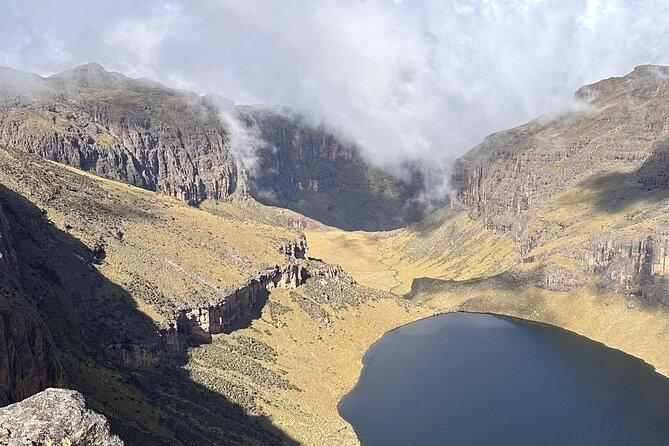
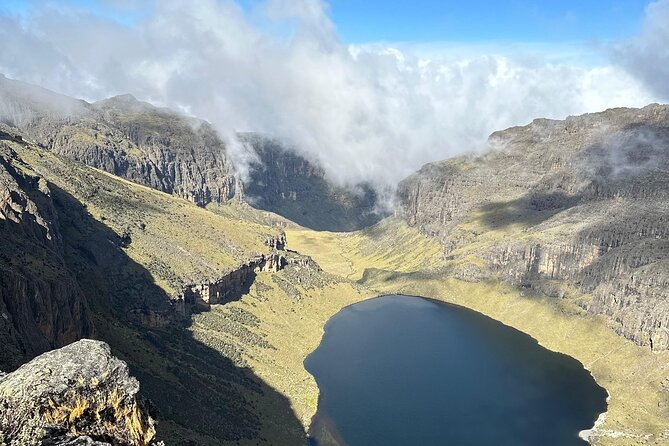
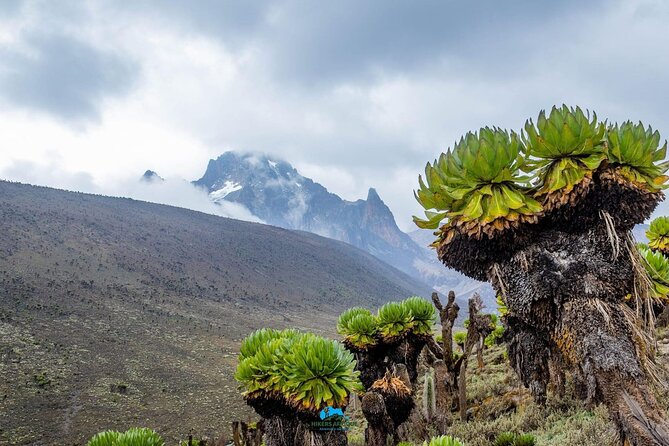
Chasing sunrise at 4,900m is the real story here. This Chogoria route climbs through forests and moorland to the dramatic Temple area, with Hall Tarns, Lake Michaelson, and the big alpine drop-offs making every day feel like it has its own personality.
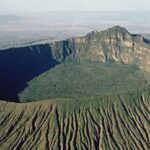
I especially like the route choice. The Chogoria ascent tracks around the head of the Temple, so you get standout views like Lake Michaelson from above, then you finish with a Sirimon descent through forest trails.
One consideration: the last day is early and steep, with loose scree and a rope-assisted Via Ferrata section, so you need steady nerves and a moderate fitness level to enjoy it.
In This Review
- Key highlights before you commit
- Chogoria up, Sirimon down: the smart way to see Mount Kenya
- Day 1: Chogoria Banda to Lake Ellis, forests, falls, and the Giant’s Billiard Table
- Day 2: From Lake Ellis toward Lake Michaelson, moorland ridges and Gorges Valley views
- Day 3: Temple cliff drops to Austrian Hut, the view that makes summit day feel close
- Day 4: 04:30 summit push, rope path, loose scree, Via Ferrata, then Sirimon forest down
- Price and value: what $900 buys on a high-altitude trek
- The guide team factor: why organization shows up on the mountain
- Who should book this trek, and who might think twice
- How to get the most from each day
- Should you book this 4-Day Chogoria Up, Sirimon Down trek?
- FAQ
- How long is the Mount Kenya trek?
- What is the route, and which direction do you hike?
- Where does the trek start?
- What time does the trek start?
- Is pickup from Nairobi included?
- What meals and gear are included?
- What is not included in the price?
- How many people are in the group?
- What is the cancellation policy?
Key highlights before you commit
- Chogoria ascent scenery: Temple head views, Hall Tarns, and Lake Michaelson at 4,200m
- Austrian Hut at 4,790m: a high, practical staging point for the summit push
- Rope path sunrise day: start around 04:30 with a dawn-to-summit feel from the eastern side
- Via Ferrata section: a protected, rope-assisted climb as part of reaching the summit
- Sirimon descent: you close the loop through forest tracks before finishing down at Old Moses Camp
- Small group size: maximum 12 travelers with a licensed guide and team support
Chogoria, Sirimon, Naro Moru. Longer routes up
Chogoria up, Sirimon down: the smart way to see Mount Kenya
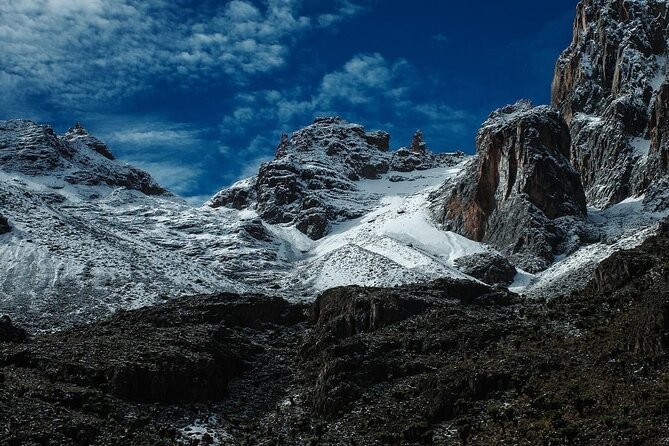
This is a Mount Kenya traverse, not a round-trip hike. That matters because you get different ecosystems and terrain in one go. You’ll start in higher-elevation forest and tussock country, then move into moorland and alpine zones around Lake Michaelson and the Temple cliffs. Then, instead of repeating the same path down, you drop via Sirimon through forest tracks.
If you care about variety, this route setup is a big deal. The Chogoria side is the showpiece ascent, especially because you pass the head of the Temple rather than spending most of the day locked into one long U-shaped glacial valley feel. The Sirimon descent is your reward for finishing strong, with a calmer, greener contrast to the steeper upper zones.
Two details make this feel like a thoughtful climb, not just a checklist trek. First, the Temple area gives you those dramatic cliff views where Lake Michaelson sits below like it has its own gravity. Second, the itinerary spaces rest points at real altitude milestones, with nights at Lake Michaelson and then Austrian Hut. That helps the day-by-day rhythm make sense for most people with moderate fitness.
Day 1: Chogoria Banda to Lake Ellis, forests, falls, and the Giant’s Billiard Table
Your day starts with a drive out of Nairobi around 08:00, heading through agricultural country up to Chogoria town for lunch. After lunch you switch to a 4×4 to reach the trailhead at Chogoria Banda. This is one of those logistics choices that can save your energy for the hiking part, which is what you actually came for.
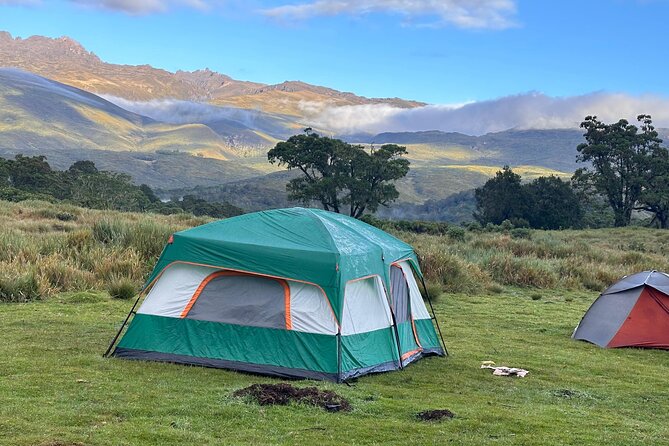
From there you hike toward Lake Ellis, camping after lunch on this first stretch. The route takes you through Hargenia forest and tussock grass. That combo gives you a natural gear shift: shade and thick ground cover early, then more open alpine-type footing as the terrain rises.
Along the way, the trail also connects you to some specific landmarks. You get views of Mugi Hill and the Giant’s Billiard Table, and you’ll visit River Nithi and Nithi Falls en route. Those water moments are more than pretty stops. They break up the day, they let you rehydrate, and they give you a mental reset when you’re moving upward steadily.
The day ends at the Lake Ellis camp, and it’s finished with a bonfire moment plus supper. That kind of small wrap-up matters on multi-day treks. You’re tired, you’re high enough that the air feels different, and you want a human moment to end the day, not just another meal and bed.
Day 2: From Lake Ellis toward Lake Michaelson, moorland ridges and Gorges Valley views
After breakfast, the hiking shifts into montane forest glades. You climb away from Lake Ellis on its west side, then cross moorland to reach a ridge that eventually connects to the main Chogoria trail. This is the day where you start feeling the mountain’s scale. You’re still walking, but the world keeps widening.
The views here are very directional, which is great because it helps you understand where you are on the mountain. You’ll look over the Gorges Valley and back toward Ithanguni and the Northern Moorlands. That backward look is a gift on a mountain like this, since Mount Kenya has a way of making you feel like you’re just going up until suddenly it feels like you’re standing over everything.
Lunch is served at a small stream crossing. Practical and simple, but it’s also a good sign: it means you’re not burning the entire day on a single long push. Then you continue for about another hour to reach Lake Michaelson at 4,200m, where you rest for the night.
At Lake Michaelson camp, you’re high enough that you’ll notice altitude even if you pace yourself. Your dinner and overnight are there, so you’re not doing extra walking after the big altitude jump of the day. For many hikers, that’s a smart trade. It lets you get sleep, adjust to the thin air, and prep for the Temple area tomorrow.
Day 3: Temple cliff drops to Austrian Hut, the view that makes summit day feel close
Day 3 is where the Chogoria route really earns its reputation. After breakfast you walk from Lake Michaelson through the Temple cliff drop, giving you a stunning view back over where you’ve been. This is the kind of moment that changes how the rest of the trek feels. Instead of just climbing, you can actually see the shape of the mountain and the route you already covered.
Then you continue by circumnavigating the peaks around the mountain, heading toward Austrian Hut at 4,790m. That hut sits at a vantage point, and the plan is that the summit is a short distance from there. Translation: you’re not doing a full day of wandering after reaching the hut. You’re setting yourself up to go for it early the next morning.
You finish day 3 with dinner and overnight at Austrian Hut. Nights here are usually about managing comfort and rest. Even if you feel fine during the walk, your body may take time at 4,790m to fully settle. The hut location helps you save time and effort on summit day, which is why this stop is so valuable in a 4-day schedule.
Other Nairobi bookings that survived the same scrutiny
Day 4: 04:30 summit push, rope path, loose scree, Via Ferrata, then Sirimon forest down
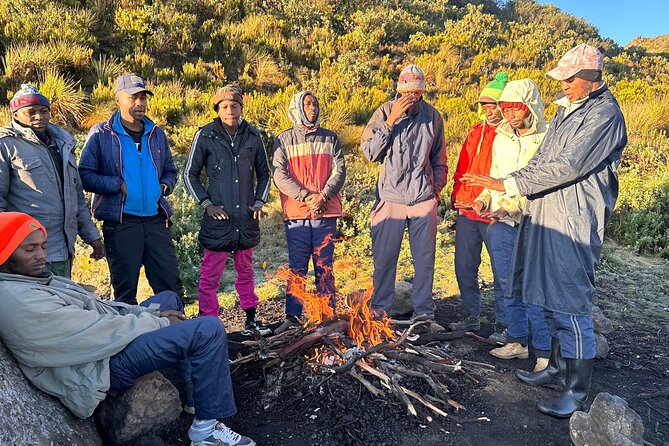
Start time is around 04:30, and you walk up a rope-lined steep path toward the summit. This section is tricky because the scree is loose, so caution is part of the job description. I like that the plan calls this out directly. When you’re standing on unstable ground, the difference between careful and reckless is huge.
The reward is sunrise from the eastern side of the Chogoria route. The early timing means you get the crack of dawn feeling, and it makes summit day feel like an event rather than an endurance test. Once you reach the summit, you take photos and enjoy the view briefly before turning back.
One standout feature is the final section that includes a Via Ferrata, described as the highest in the world. A Via Ferrata is typically protected with ropes so you have extra security on the exposed parts. That’s reassuring for people who want assistance, not a pure scrambling free-for-all.
After the summit, you descend west via the Sirimon route for breakfast at Shipton’s Camp. Then you walk down about 14km to Old Moses Camp, arriving later in the afternoon. You end with a short farewell ceremony with the team before departing for Nairobi, arriving late in the evening.
This descent is your mental wind-down. You’ve already done the hardest altitude and steepest parts. Sirimon’s forest tracks help you transition from alpine intensity to something more human-paced. Then you get the satisfaction of finishing the traverse, not just turning around.
Price and value: what $900 buys on a high-altitude trek
At $900 per person for an approximately 4-day trek, the value mostly comes from what’s built into the package. You get transport from Nairobi, a licensed guide, tents, and full meals across the trek (breakfast three times, lunch four times, dinner four times).
That’s not a small thing at altitude. Food and basic camp infrastructure take care of the parts that most independent trekkers either overpay for or underestimate. With a group capped at 12, you also avoid the chaos that can happen on bigger group hikes where the guide has to herd rather than guide.
The trek is also route-specific. You’re paying for the Chogoria ascent experience and the Sirimon descent finish, including the high staging stop at Austrian Hut and the summit day logistics. If you’ve looked at other Mount Kenya options, you already know that a summit trip is where time, altitude planning, and guide support matter most.
What’s not included is tips. That’s standard for guided experiences, but it’s still something to budget for so you don’t end up stressed at the end.
The guide team factor: why organization shows up on the mountain
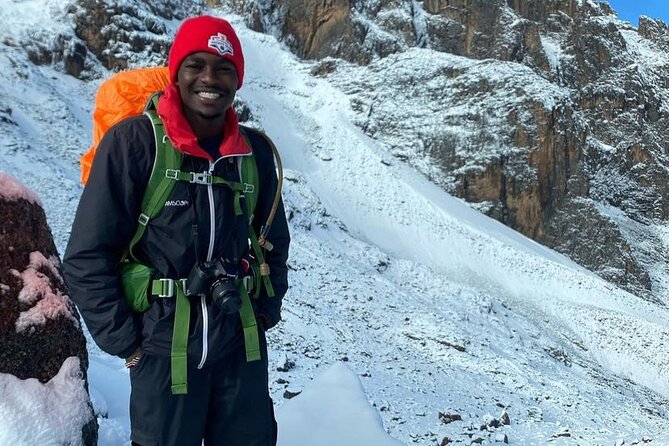
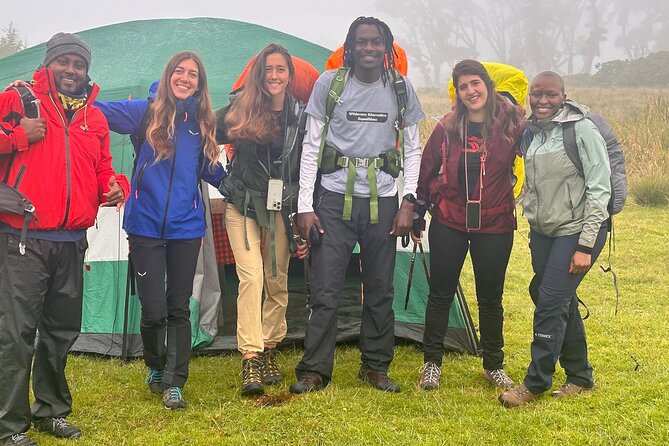
The best part of guided trekking is when organization quietly prevents problems. In these experiences, Kenny is named as the guide who keeps things running smoothly and helps the group reach the summit. That kind of route knowledge matters because mountain timing is never fully predictable. Weather can shift, and pace needs to adapt.
I also like that the tone around the team is consistent, with Joseph, Loki, JJ, and Willy referenced as part of the group effort. On a trek, that usually means people are checking on pacing, navigation, and camp flow, not just leading from the front. When the trek is high altitude and steep terrain, teamwork is what makes the difference between a stressful climb and a confident one.
Who should book this trek, and who might think twice
This trek is for people with moderate physical fitness. That’s an honest range, because you’re dealing with steep sections, loose scree on summit day, and a total day that includes both early climbing and a long descent of about 14km.
You’ll probably love it if you want:
- A guided Mount Kenya climb with a clear route that prioritizes views
- The Chogoria Temple experience and Lake Michaelson focus
- A summit day with rope assistance and a Via Ferrata element
- A traverse finish through forest instead of retracing your steps
You might think twice if:
- Heights and exposure make you nervous, even with rope assistance
- You struggle with early starts, especially the 04:30 summit push
- You want something less steep and less technical on summit day
Altitude is not mentioned as a special feature, but it’s built into the itinerary. With nights at 4,200m and 4,790m, your body needs time to settle and your pace needs to stay sensible. If you tend to rush when you feel good, consider working against that habit. On summit day, loose scree is not a place to speed up.
How to get the most from each day
A successful Mount Kenya trek is mostly about rhythm. The itinerary’s strength is that it gives you daily goals that build, rather than random jumps. Day 1 moves you from Chogoria Banda to Lake Ellis through forest and tussock. Day 2 pushes into moorland and reaches Lake Michaelson. Day 3 takes you to Austrian Hut so summit day is short-distance focused. Day 4 does the big early push and then finishes with Sirimon down.
To enjoy it, plan your mindset like this:
- Think of Day 1 and Day 2 as altitude and terrain orientation days
- Treat Day 3 as your setup day for an early summit effort
- Treat Day 4 as a technical day where caution is part of success
Even the named sights help you do this mentally. When you know you’re walking past River Nithi and Nithi Falls on day 1, you’ll feel the day unfold instead of just climbing blindly. When you see Lake Michaelson from the Temple cliff drop on day 3, summit day feels less like an unknown wall and more like a plan you’re finally finishing.
Should you book this 4-Day Chogoria Up, Sirimon Down trek?
If your priority is an unforgettable Mount Kenya experience with standout scenery and a real traverse finish, I’d book it. The Chogoria ascent is framed around the Temple area, Lake Ellis, and Lake Michaelson, and the Sirimon descent gives you a satisfying change of scenery afterward. The inclusion of transport, tents, a licensed guide, and all meals makes the $900 price feel focused on the mountain time you actually want.
I would also consider it seriously if you like a team approach. The guide Kenny and the wider team are mentioned for organization and support, and that’s exactly what you want when the terrain gets steep and the clock starts early.
If you hate early mornings, fear exposure, or want an easy hike, this may be too demanding. But if you’re okay with a steep rope path, loose scree, and a Via Ferrata moment, this trek is one of the most meaningful ways to experience Mount Kenya in just four days.
FAQ
How long is the Mount Kenya trek?
It runs for about 4 days.
What is the route, and which direction do you hike?
You climb Mount Kenya via the Chogoria route and descend via the Sirimon route.
Where does the trek start?
It starts from Jomo Kenyatta International Airport in Embakasi, Nairobi, Kenya.
What time does the trek start?
The start time listed is 12:00 am.
Is pickup from Nairobi included?
Yes, transport from Nairobi is provided.
What meals and gear are included?
You get tents and a licensed guide. Meals included are breakfast 3 times, lunch 4 times, and dinner 4 times.
What is not included in the price?
Tips are not included.
How many people are in the group?
The maximum group size is 12 travelers.
What is the cancellation policy?
Free cancellation is offered. You can cancel up to 24 hours in advance for a full refund, and changes within 24 hours of the start time are not accepted.
Kenyan Climbing and Walking Days

More Tour Reviews in Nairobi



Higher Up Mount Kenya


Everything else we hold on Nairobi
- 7 Days Private 4 star lodges Safari by LandCruiser from Nairobi★ 5.0 · 3 reviews
- 5 Days/4 Nights Kenya Safari★ 4.5 · 3 reviews
- Safari Park Hotel Show & Dinner Experience In Nairobi Tour★ 3.6 · 3 reviews
- Day safari to Olpejeta Rhino conservancy★ 5.0 · 3 reviews
- 7 Days Breathtaking Kenya Wildlife Private Safari★ 5.0 · 3 reviews
- Overnight Amboseli National Park Safari from Nairobi★ 5.0 · 3 reviews
Mount Kenya Treks, compared.
 ★ 5.0Climbing Mount Kenya 5 Days Via Chogoria RouteFrom $99044 reviews
 ★ 5.0Samburu/ Aberdare/ Lake Nakuru/ Masai Mara 7 Days SafariFrom $1,93537 reviews
 ★ 5.07-Days Kenya Safari Samburu, Aberdare, Lake Nakuru, & Maasai MaraFrom $4,99029 reviews
 ★ 5.0Conquer Mt Kenya in 4 Days Sirimon to Chogoria Route AdventureFrom $1,20016 reviews
 ★ 5.04-Day Mount Kenya Trekking with Pick UpFrom $94114 reviews
 ★ 4.54 Days Mt Kenya Climb, Chogoria Route up and out Sirimon routeFrom $84011 reviews
 ★ 4.2Mt Kenya: Full-day hiking tour from NairobiFrom $25510 reviews
 ★ 5.05 Days Mount Kenya Climbing Via Chogoria Sirimone RouteFrom $1,6007 reviews
Appears in these lists