
REVIEW · TSAVO SAFARIS
2-Day Private Tour in Tsavo East
Tsavo East feels like a movie set you can touch. This private 2-day safari from Mombasa is all about Big Game on dusty plains, plus a huge dose of birdlife and that classic Galana River watering-hole rhythm. You start early, you ride out in a proper safari setup, and the schedule leaves room for the animals to do what animals do.
What I like most is how the day is built around real viewing time, not just a drive-by. You get two game-drive moments on Day 1 and Day 2 timing, with morning and evening light that tends to help wildlife activity and makes sightings easier to enjoy.
The other win: the trip is private, so your driver can adapt the route as you learn what’s moving that day, and people in the field have praised guides such as Pascal, Jackson, Ezekiel, and Hussan for finding solid viewing spots. The one drawback to weigh is simple, if pickup timing or communication is off, your morning can slip, so I’d confirm your exact pickup point and have a working phone number ready.
In This Review
- Key highlights to know before you go
- Tsavo East on the clock: what you are buying with a 2-day private safari
- Getting rolling from Mombasa: the practical side of a 7:00 am start
- Day 1 in Tsavo East: first game drive, lunch, and the art of evening spotting
- What Day 2 really means: sunrise viewing and the watering-hole push
- Meals and lodging: why “included” matters more than you think
- Guides and drivers: the difference between seeing animals and actually enjoying them
- Price and logistics: is $1,100 per person good value?
- Wildlife expectations: what to look for beyond the headlines
- Who this safari is best for
- Should you book it?
- FAQ
- What time does the safari start?
- How long is the Tsavo East private safari?
- What’s included in the price for this tour?
- Where will you be picked up from?
- Is this tour private?
- What is the cancellation and weather guidance?
Key highlights to know before you go
- Private, 2-day Tsavo East routing with early starts that give you your best chance at action
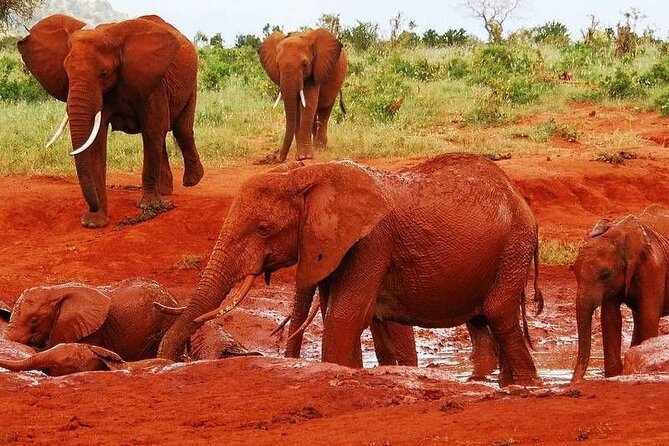
- Big Game focus plus lots of birds, with sparse foliage that helps spotting
- Galana River watering holes as a natural magnet for animals
- Aruba Dam and Mudanda Rock as your late-day wildlife checkpoints
- Meals included (breakfast, lunch, and dinner) to keep you fueled on the move
- Real driver-led spotting help, with praised guides like Pascal, Jackson, Ezekiel, Hussan, and support from Kennedy
Tsavo splits East and West. Both versions here
Tsavo East on the clock: what you are buying with a 2-day private safari
Tsavo East is not the kind of place where you spend all day in a lodge and then hope for a magical half-hour. This works because you are out when animals are moving, drinking, and foraging. The park is huge, about 11,747 sq. km, and the vegetation is sparse, which means you can often see movement from farther away than you might expect in greener parks.
The private format also matters. On a shared tour, you ride a script. On a private tour, your driver can keep adjusting, based on what you’re seeing right then, what the light is doing, and where animals are approaching watering areas like the Galana River.
Price is $1,100 per person, which is a meaningful amount. But it is also not just “a seat in a car.” You are paying for a customized two-day experience from Mombasa, pickup service, a full safari rhythm (including meals), and the ability to spend more time where the wildlife is actually happening rather than where the clock says you should be.
Getting rolling from Mombasa: the practical side of a 7:00 am start
This safari begins at 7:00 am. In practical terms, that early start is your ticket to better wildlife odds. Daytime heat can push animals into shade, and activity can shift quickly. Morning drives often come with calmer roads and more concentrated sightings.
The drive from Mombasa to Tsavo East takes about 2.5 hours, and you travel via the Mombasa-Nairobi Highway, passing farms and open plains. This is a real part of the day, not dead time. You start to get a feel for how wide the region is, and the first sightings can often happen before you even reach the main “game-drive zone” vibe.
Also note the itinerary pacing. You are arriving mid-morning, then building the day from there. This avoids the worst version of a safari where you feel rushed the whole time. You still get an energetic schedule, but you are not sprinting through the park.
Day 1 in Tsavo East: first game drive, lunch, and the art of evening spotting
Day 1 starts with your pickup from your beach hotel or from Mombasa port. Then you roll toward the park and arrive in time for your first real game-drive session. This is where you start learning the landscape quickly: the open ground, the places where animals can move without being hidden, and the vantage points that let you see far.
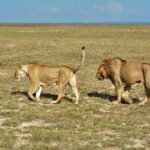
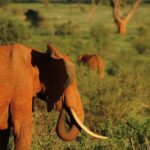
The park is known for lion, leopard, Cape buffalo, and elephants. You are also looking for cheetah, zebra, warthog, and giraffe. Even when a “headline species” stays out of sight, the variety is the point. You might catch elephants moving along a track, or zebra lingering near cover, and often those smaller moments turn into the best memories.
Birds matter here too. You are not just chasing mammals. There are about 500 species recorded, and you may spot things like lovebirds, black kites, and ibis depending on conditions and where you stop. Birdlife is also useful because it gives you visual cues. If you see birds reacting or clustering, it can hint at feeding patterns nearby, or where animals have recently passed.
After your first lunch break, the day shifts into more searching. You head out again to keep building sightings, then later you watch for big game as temperatures cool. That evening window is often when animals move more freely, and the light can make sightings easier to enjoy without squinting at the sun.
What Day 2 really means: sunrise viewing and the watering-hole push
Day 2 is where you get the best chance to see Tsavo East “wake up.” You are up early for a sunrise game drive, and that timing is not just romantic. Morning drives can mean more active animals, and they usually offer cleaner sightlines.
After that first drive, you get a safari breakfast at your accommodation. This is a simple but smart piece of the schedule. It prevents the safari from turning into a long, hungry day where you lose energy for spotting. You can focus, take in what you’re seeing, and keep your attention sharp.
Then you check out, but you do not just leave. You do a final game drive as you depart the park. This is a key moment because animals often return to predictable water sources.
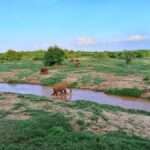
This is where the itinerary gives you concrete targets: you may see Aruba Dam and Mudanda Rock, both well-known watering holes where many animals come to drink. You are also moving along the broader idea that the Galana River watering holes draw life from across the plains. Even if your big cat luck is different than expected, watering holes often deliver plenty of other sightings, including elephants, buffalo, and more.
Other Mombasa bookings that survived the same scrutiny
Meals and lodging: why “included” matters more than you think
This trip includes breakfast, lunch, and dinner. On a safari, meals are not a side quest. They affect your mood and patience. The schedule keeps food at times that match the drive rhythm, so you do not end up eating at awkward points that steal time from wildlife viewing.
Dinner is included during the overnight portion, and the accommodation experience can make or break how you feel at the end of Day 1. In prior experiences, people have praised lodges for being clean and well-run, with good food. One highlight that came up strongly is Kilaguni Lodge, described as spectacular, with quality food and an enjoyable stay.
For you, the takeaway is simple: treat the overnight as part of the safari, not just a place to sleep. A good lodge experience means you return from the first day drive relaxed, showered, and ready to start fresh at sunrise.
Guides and drivers: the difference between seeing animals and actually enjoying them
A lot of safari value is invisible until you’re on the road. The best drives come from a driver who can read animal movement, spot distant details, and manage the vehicle so you get stable viewing without chaos.
In the feedback tied to this operator, I’ve seen repeated praise for drivers such as Pascal (who helped people take their best shots), Jackson (friendly and very good at finding wildlife viewing spots), Ezekiel (very available for questions), and Hussan (attentive and proactive about spotting many animals). There’s also a support person name that stands out, Kennedy, mentioned for being accommodating and helpful when changes or bookings needed to happen.
So here is practical advice for you: once you meet your guide, ask a quick question that helps them help you. For example, ask what they expect to be most active that day, or what sightings they aim to prioritize. The best guides love having engaged guests, and it often sharpens the day.
The same goes for camera timing. If you want photos, ask where to position for better sightlines before you set off. Even small adjustments can mean the difference between a shaky shot and a keeper.
Price and logistics: is $1,100 per person good value?
At $1,100 per person, this is not a budget day out. You should expect to get a lot of structure and private attention in return. Here is what you are paying for, based on the tour setup:
- Private transport and pickup from Mombasa (hotel or port)
- Two days of safari drives in Tsavo East, not a rushed “one drive” style outing
- Meals included for breakfast, lunch, and dinner
- A focused wildlife schedule, including morning drives and watering-hole time
- Admission ticket free is listed for the safari days, which reduces extra on-the-spot costs
Where value can fail is when expectations are off. If you expect guaranteed sightings of every big cat on every itinerary, you might feel frustrated. Wildlife is wildlife. The plan is strong because it maximizes time when animals tend to move, but it cannot control animal behavior.
Also, one negative note from past experiences is worth listening to: there was at least one situation where the group waited past the agreed pickup time and couldn’t reach anyone right away. That does not mean it’s normal, but it is a good reminder. Before pickup day, confirm your exact pickup location and keep a reachable phone number, ideally with a local SIM if you can.
Wildlife expectations: what to look for beyond the headlines
It’s tempting to focus only on lions and elephants. You might see them. But Tsavo East is also about the full “plains ecology” feeling: the way different species share space, and the patterns around water.
Here is a grounded way to enjoy it:
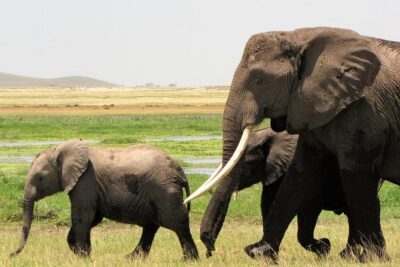
- Look for elephants and buffalo around open paths and water-adjacent areas.
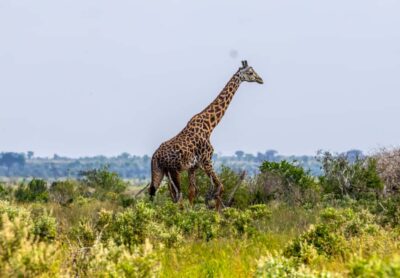
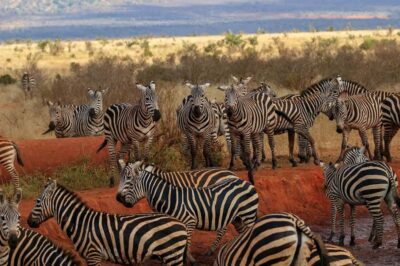
- Watch for giraffe and zebra moving through open ground where you can track them with your eyes instead of chasing them constantly.
- Keep an eye on smaller animals like warthog, which can show up in unexpected spots and signal where movement is happening.
- Don’t ignore birds. The species list in the park is huge, and bird activity often gives you a clue about what’s nearby.
And remember the environment. Tsavo East’s sparse foliage means visibility can be better than you expect, but it also means animals may be more exposed. When you see movement, act fast with your eyes, stay calm, and let the guide position you.
Who this safari is best for
This works especially well if you:
- Want a private experience with flexibility and attention on wildlife spotting
- Prefer early starts and real time on the ground, rather than “short drive, quick photo, done”
- Are traveling as a couple or small group who wants control over pace
- Like the idea of spending time at watering holes such as Aruba Dam and Mudanda Rock
If you hate early mornings, this might feel like a lot. But if you can handle a 7:00 am start and you want the best shot at seeing animals active at dawn, this plan fits your style.
Should you book it?
I’d book this safari if you want a well-structured, private Tsavo East experience that prioritizes your time when wildlife is most likely to be seen. The early drives, the watering-hole focus, and the included meals are all practical wins. And the operator’s support and guide talent, with names like Kennedy, Pascal, Jackson, Ezekiel, and Hussan showing up in strong feedback, suggests you are not just buying transport, you’re buying help finding animals and enjoying the ride.
I would pause before booking if you are highly sensitive to timing surprises, or if you need a super-late start. Also, because this requires good weather (and the experience notes a weather-based switch or refund option), keep your schedule flexible enough to handle changes.
If you go in with the right mindset, Tsavo East delivers the real thing. Not a themed park version of Africa. Just wide-open country, dust in the air, and a good chance to watch animals do what they do best.
FAQ
What time does the safari start?
The meeting/start time is listed as 7:00 am.
How long is the Tsavo East private safari?
It’s listed as 2 days (approx.).
What’s included in the price for this tour?
The tour includes breakfast, lunch, and dinner, plus pickup offered and a mobile ticket. Admission ticket is listed as free for the safari days.
Where will you be picked up from?
Pickup is offered from your beach hotel or from Mombasa port.
Is this tour private?
Yes. It’s described as a private tour/activity, with only your group participating.
What is the cancellation and weather guidance?
It lists free cancellation up to 24 hours in advance for a full refund. The experience also notes it requires good weather, and if canceled due to poor weather you are offered a different date or a full refund.
More Tours in Mombasa

More Tour Reviews in Mombasa
Tsavo East, Tsavo West, Corridor Between
Everything else we hold on Mombasa
- 2 Days Salt Lick Safari Tour★ 4.5 · 3 reviews
- Mombasa: Historical Guided city tour. Old town, Fort Jesus★ 4.2 · 3 reviews
- 5 Days Mombasa,Tsavo East, Taita Salt Lick, Tsavo West, Amboseli,★ 4.5 · 3 reviews
- Mombasa: Discovery Day Tour and Haller Park★ 4.1 · 3 reviews
- 7 Days Tsavo East, Taita, Amboseli & SanctuarySafari from Mombasa★ 5.0 · 3 reviews
- 3 Days (2 nights); Tsavo East & West Safari:★ 5.0 · 3 reviews
Tsavo Safaris, compared.
 ★ 4.3From Mombasa/Mtwapa/Diani/Tiwi: Tsavo East Full-Day SafariFrom $200130 reviews
 ★ 4.5Day Trip – Tsavo East National Park ( Man Eater Lions of Tsavo & Other Big Five)From $20055 reviews
 ★ 5.02 Days Tsavo East National Park Tour From Mombasa/Diani (1 Night)From $50650 reviews
 ★ 5.03 days safari Tsavo East and Taita hills (Saltlick lodge)From $90045 reviews
 ★ 4.5Full Day Private Tour of Tsavo East National Park from MombasaFrom $31544 reviews
 ★ 4.3Mombasa: Tsavo East National Park Day Trip with LunchFrom $15341 reviews
 ★ 4.6Mombasa: Tsavo East Ngutuni Sanctuary Overnight SafariFrom $45040 reviews
 ★ 4.9Overnight Tsavo East Safari From Mombasa/Diani (Private)From $50739 reviews
Appears in these lists