
REVIEW · AMBOSELI SAFARIS
13-Day Uganda Mgahinga Gorilla Trek, Maasai Amboseli Park
This route strings together wildlife and culture with zero fluff. You get classic Maasai Mara game drives, then switch gears to Uganda for the Mgahinga gorilla trek, plus stops like Lake Nakuru and Amboseli with Kilimanjaro views.
I especially like the variety: one day is savannah hunting for lions and elephants, the next day is misty jungle tracking and then local community walks. I also like the fact that the trip is time oriented and structured, with pickup, regular meals, and daily game drive windows so you are not guessing what comes next.
One drawback to plan around: this is a lot of driving and early starts, and the gorilla trek is physically demanding, so it is not ideal if you want an easy, slow itinerary.
In This Review
- Quick Highlights Before You Commit
- Kenya to Uganda: What This Route Is Really Like
- Price and What $4,000 Buys You (and What to Check)
- Day 1 Nairobi: Giraffe Centre, Carnivore Dinner, and Getting Oriented
- Maasai Mara National Reserve: Two Game-Drive Days That Actually Work
- Lake Nakuru National Park: Flamingoes and a Big Five Search
- Jinja on the Nile: Source of the River and an Adventure Capital Mood
- Uganda Setup: Kabale, Kisoro, and Rest Before the Gorillas
- Mgahinga Gorilla National Park: Early Mist, Jungle Walking, One Hour Up Close
- Kabale and Community Time: Batwa Option or Canoeing on the Lake
- Kampala Stopover: A Night in the City After the Trek
- Hell’s Gate and Lake Naivasha: Gorges, Geysers, and Optional Hippo Time
- Amboseli National Park: Kilimanjaro Views and Close Elephant Encounters
- How Demanding Is This Trip, Really?
- Should You Book This Uganda Gorilla Trek and Amboseli Safari?
Quick Highlights Before You Commit
- Two distinct Maasai Mara drive styles: an afternoon warm-up plus a full-day drive with a picnic lunch
- Uganda’s Mgahinga gorillas: early-morning trek and a strictly regulated viewing time of about one hour
- Lake Nakuru birdlife and big-cats search: flamingoes plus game drives for the Big Five
- Jinja as an adventure stop: the Nile source area and an optional boat ride if you want more water time
- Hell’s Gate active safari: walking and cycling options in a park built for gorge scenery
- Amboseli elephant close-range potential: elephants in the swamps with Mt. Kilimanjaro often looming in the background
Amboseli departures we also sat down with
Kenya to Uganda: What This Route Is Really Like
This 13-day safari runs like a well-run road trip through two countries, Kenya first, then Uganda, then back to Kenya for one last big wildlife push. It is not one-note. You will do savannah game drives, birding and lake scenery, a major gorilla hike, community time, and then elephants in Amboseli.
The overall feel is practical and efficient. The itinerary is built around day-to-day movement, with meals and safari blocks that keep you from spending hours waiting around. The private setup matters too, because you are not stuck with a big mixed group tempo.
Based on past feedback about the company, the biggest “soft” value here is organization and support. People have praised Abongo for planning help and fast replies, plus guides like Peter and Brian for friendly, capable guiding. That kind of coordination is not glamorous, but it makes the whole trip feel smoother when roads get long and schedules get early.
Price and What $4,000 Buys You (and What to Check)
At $4,000 per person, this is clearly positioned as a premium, experience-heavy itinerary. The value is not just the parks. It is the combination of distances covered, multiple wildlife destinations, and one of the most costly natural experiences in Africa, the gorilla trek.
That said, the itinerary data shows several entries listed as Admission Ticket Free, with a couple marked as Admission Ticket Included on specific days. Because gorilla permit details can be easy to misunderstand, I suggest you confirm exactly what is covered for the Mgahinga gorilla trek when you book, including any permit wording used by the operator.
Also note that alcoholic beverages are not included. If you drink, plan for that budget gap. But breakfasts, lunches, and dinners are included across the days listed, which is a real cost-control win on a trip that moves through multiple regions.
If you want a single package that hits Kenya savannah classics plus Uganda gorillas without piecing it together yourself, this price starts to make sense.
Day 1 Nairobi: Giraffe Centre, Carnivore Dinner, and Getting Oriented
Your Nairobi start is designed to take the stress out of arrival day. You are picked up at the airport and get a pre-departure meeting on the way to your hotel. Then you check in at Kozi Suites Nairobi and get time to rest before your first evening plans.
Later, you head to the Giraffe Centre. It is a simple “first Kenya” stop, but it is a good choice after travel because it gives you animals and atmosphere without needing to jump straight into a long safari drive. In the evening you go to Carnivore Restaurant, a well-known dining option in Nairobi that gives you a fun, easy meal to cap day one.
If your arrival time fits, the trip can start right away from the airport toward the Maasai Mara. That flexibility is useful if you land early, since it reduces dead time.
Maasai Mara National Reserve: Two Game-Drive Days That Actually Work
Maasai Mara is your Kenya centerpiece, and the itinerary uses it in two useful ways.
Day two gives you an afternoon game drive right after you settle into Jambo Mara Lodge. That is a smart pacing trick. You are not arriving, rushing, and trying to do everything in one day. You get your first wildlife sightings while the light is good, and you still return before dark.
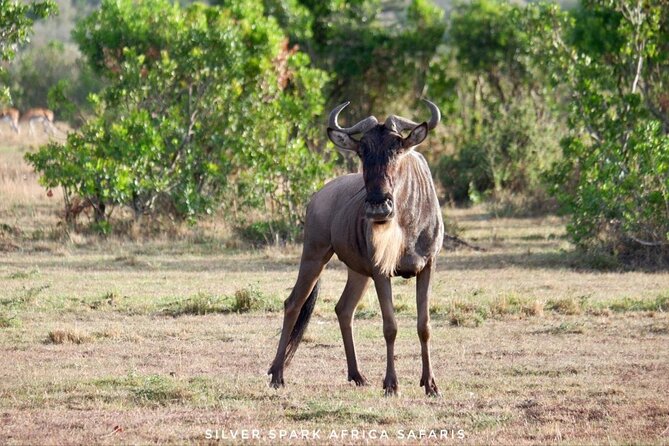
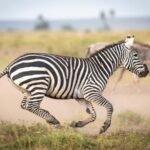
Day three shifts into full-day mode. You go out with a picnic lunch for a full-day game drive, then keep driving until late afternoon. This is where the reserve’s core strengths matter, lions, cheetahs, elephants, zebras, hippos, and the big one: the movement of wildebeest during migration season. Even when you are not there for the migration peak, the Mara rivers and open plains give you the chance to see predators using routes across the habitat.
One practical tip: Mara is hot and the sun can be intense. Bring sunscreen, and keep water handy. Also plan for dust. You will feel it more on longer drive days.
Other Nairobi bookings that survived the same scrutiny
Lake Nakuru National Park: Flamingoes and a Big Five Search
Lake Nakuru day is a nice change of pace from Mara’s savannah rhythm. You travel via the Great Rift Valley, passing coffee and tea plantations and stopping at a Rift Valley viewpoint for photos.
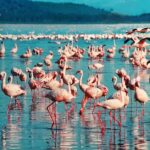
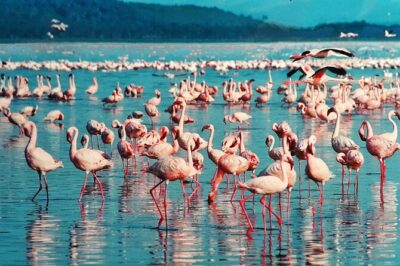
You arrive in time for lunch, then head out for game drives in Lake Nakuru National Park, targeting the Big Five. The park is also famous for flamingoes and migrant birds, and it is one of those places where the scenery can be as impressive as the animals.
This is a good stop for people who want variety. Mara gives you classic predator energy. Nakuru adds birdlife density and a different kind of “watching.” If you like photography, the mix of open water, birds, and changing light can be great for quick bursts of shooting between drives.
The main consideration is time in the car. You are moving all day, so it helps if you pack a small comfort kit for long drives.
Jinja on the Nile: Source of the River and an Adventure Capital Mood
From Nakuru you travel to Jinja, crossing via the Malaba border. You are also moving toward one of East Africa’s best-known adventure bases.
Jinja is described as the place where the Nile begins its journey, then flows through multiple African countries before reaching the Mediterranean Sea. That framing is more than trivia. It gives the day a sense of place, even if you are not jumping into adventure sports immediately.
You check in at Paradise Jinja Hotel for the night. The itinerary encourages you to consider a boat ride for an extra cost. It sounds like the kind of activity that pairs perfectly with the Nile theme, especially after two days of game-drive intensity.
If you want a trip that feels like it includes more than wildlife, Jinja is your anchor for that. It gives you a break from the constant “watch for predators” mindset and a chance to experience river life.
Uganda Setup: Kabale, Kisoro, and Rest Before the Gorillas
Day six is one of the most important transition days on this whole route. After breakfast, you head toward Uganda, with a drive that includes Kabale, noted as Uganda’s highest town at around 2,000 meters.
You then head toward Lake Bunyonyi, described as Africa’s deepest crater lake, and spend time camping at the lake while reaching the Kisoro base in the southwest. Staying at Bunyonyi Overland Resort sets you up for the gorilla trek ahead.
The key value of this night is rest and acclimation. You get scenery, birdlife possibilities, and a calmer pace before the early-morning trek. It is also the day you hear the tone shift. Kenya felt open and savannah-driven. Uganda feels steep, green, and focused on the jungle.
Plan your packing here. Your trek day will be early and demanding. Keep boots and water ready, not buried deep in a bag.
Mgahinga Gorilla National Park: Early Mist, Jungle Walking, One Hour Up Close
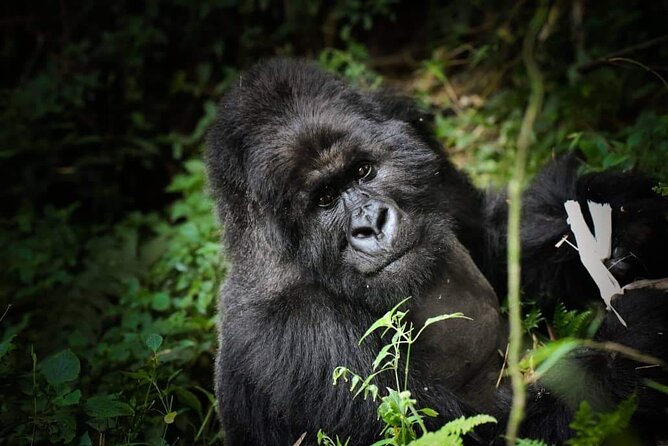
This is the day the whole itinerary is built around. You trek through early morning mist in Mgahinga Gorilla National Park. The area is described as home to roughly half of the world’s remaining mountain gorillas, and the itinerary is clear that trekking can be a full day depending on conditions.
This is not a casual hike. The plan emphasizes good walking shoes or boots and a water bottle. Your experienced local guides lead you through thick mountain jungle. That guidance matters here. Gorilla tracking is mostly about patience and following signs, not about speed.
Once you locate the gorillas, you observe them for about an hour. That one-hour viewing window is strictly regulated by the Uganda Wildlife Authority. Photography is allowed, but flash is not permitted, and other restrictions apply.
Two practical realities to plan for:
First, you might not be able to wear every item you brought. Keep clothing simple and breathable, and expect mud and damp air.
Second, the gorillas are the goal, but the trek is the experience. If you treat it like an obstacle, it will feel stressful. If you treat it like the event, it becomes memorable in the right way.
Kabale and Community Time: Batwa Option or Canoeing on the Lake
After the gorilla trek, day eight gives you something that is often missing from big wildlife trips: community connection and choice.
You start with breakfast and then take a guided walk to visit locals in the community. You have options, either visiting the Batwa community or going canoeing on Lake Bunyonyi.
That choice matters. The Batwa visit can add a cultural layer to what you saw in the jungle, while canoeing can be a lighter physical day after trekking. Either way, you return to the camp in time for lunch, then you get free time to relax or continue a walk.
This day is valuable because it balances awe with learning. You go from regulated gorilla rules to human-scale daily life. It helps you leave the park experience feeling complete, not just satisfied.
Kampala Stopover: A Night in the City After the Trek
Day nine moves you from the Bunyonyi area back to Kampala. You travel with lunch en route and arrive by evening. You then check into Paradise Jinja Hotel and spend time enjoying Kampala nightlife before returning to the hotel.
The itinerary does not list specific venues, so you will likely plan based on what you find locally once you are there. Still, the structure is useful. It gives you a breathing day after the jungle intensity, and it keeps the schedule from feeling like nonstop trekking.
If city nights are not your thing, treat this as a rest day. Even in a packed itinerary, this buffer helps your body recover before the final wildlife push.
Hell’s Gate and Lake Naivasha: Gorges, Geysers, and Optional Hippo Time
Day ten is a change that many people love, because it swaps “sit in the vehicle” for active exploring.
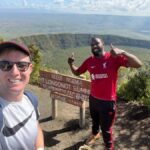
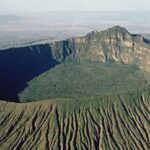
You head to Lake Naivasha, driving south and circling the southern end of the lake past flower farms. Then you enter Hell’s Gate National Park. The itinerary describes Hell’s Gate as semi-arid with rugged cliffs, open plains, and concealed gorges, which fits the feel of a park built for walking.
You get a picnic lunch and then time for an afternoon activity block. The plan also includes an afternoon boat ride option at extra cost among colonies of hippos.
Hell’s Gate activities mentioned include walking, cycling, rock climbing, bird watching, and gorge trekking among geysers. Not all of those will be suitable for every person, but the point is you are not locked into one way of seeing the park.
My practical advice: choose the activity level that keeps you happy, not the one that just sounds tough. You still have Amboseli coming up, and your legs will appreciate recovery.
Amboseli National Park: Kilimanjaro Views and Close Elephant Encounters
Amboseli is your final big safari chapter, and the itinerary builds it in two days so you have both early and full-day viewing opportunities.
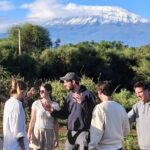
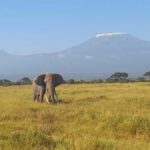
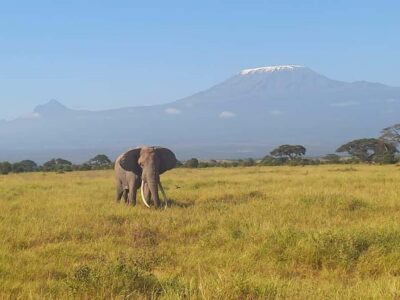
On day eleven, you depart to Amboseli via Nairobi in the morning. You drive through Maasai country toward the plains below Mt. Kilimanjaro, with a picnic lunch along the way. The plan highlights wildlife sightings like lion, elephant, leopard, rhino, cheetah, buffalo, and plains animals, and notes that Mt. Kilimanjaro backdrop photos are often possible.
You stay at Aa Lodge Amboseli.
Day twelve is early and timed for the mountain drama. You rise early for breakfast with views of Kilimanjaro, then clouds may build up around the summit. You also get a packed lunch for a day of morning and afternoon game drives. The itinerary mentions the possibility of visiting a Maasai village, described as including singing and dancing and daily life and sacred rituals.
This day’s elephant focus is clear. Amboseli is described as possibly the best wildlife area in Africa for experiencing elephants at close range, especially around swamps for feeding and bathing. If you care about elephants as individuals, this is the kind of place where you can feel close to the action even from your safari vehicle.
How Demanding Is This Trip, Really?
This route mixes easy downtime with serious physical blocks. You will have meals included and lodge check-ins that break the day up. But you also have:
- a full-day game drive day in Maasai Mara
- an early, physically demanding gorilla trek that can take a full day
- active options at Hell’s Gate where you can walk or cycle
- long travel days between regions
The trip is marked as Most travelers can participate, and it allows service animals. Still, the gorilla trek and jungle conditions are the main factor that can make this feel hard. If you have knee issues, limited stamina, or issues with steep, muddy ground, talk with the operator before booking.
The upside is that if you are physically able, the variety makes the hard parts feel worth it. You do not just stare out a window for two weeks. You earn the views.
Should You Book This Uganda Gorilla Trek and Amboseli Safari?
I think this is a smart booking if you want one organized package that hits Kenya’s big safari classics and then adds the Uganda gorilla experience without turning your trip into a logistics project. The structure matters here, early drives, lodge nights in the right places, and a clear day-by-day rhythm.
Also, the human side has strong signals from past feedback. The company has been praised for organization and communication support, including Abongo, and for friendly guidance from people like Brian and driver Peter. That matters because when you are tired, you want a plan that holds.
I would only hesitate if you want a relaxed pace, or if you know you are not comfortable with strenuous trekking. This route expects you to be willing to walk, and it is built around that.
If that sounds like your style, then yes, booking makes sense. You get the lions-and-elephants safari feel, plus one of the most powerful wildlife moments you can do on land: a carefully regulated, hour-long gorilla encounter in the misty Mgahinga jungle.
Kenyan Climbing and Walking Days

More Tour Reviews in Nairobi
Still Thinking Amboseli?
Everything else we hold on Nairobi
- 7 Days Private 4 star lodges Safari by LandCruiser from Nairobi★ 5.0 · 3 reviews
- 5 Days/4 Nights Kenya Safari★ 4.5 · 3 reviews
- Safari Park Hotel Show & Dinner Experience In Nairobi Tour★ 3.6 · 3 reviews
- Day safari to Olpejeta Rhino conservancy★ 5.0 · 3 reviews
- 7 Days Breathtaking Kenya Wildlife Private Safari★ 5.0 · 3 reviews
- Overnight Amboseli National Park Safari from Nairobi★ 5.0 · 3 reviews
Amboseli Safaris, compared.
 ★ 4.5Nairobi: Day Tour to Amboseli National Park & Maasai VillageFrom $75310 reviews
 ★ 5.0Day Tour to Amboseli National ParkFrom $310222 reviews
 ★ 5.0Amboseli Day Tour from NairobiFrom $19084 reviews
 ★ 4.4Day Trip: Amboseli National Park & Maasai Village – NairobiFrom $10069 reviews
 ★ 5.06-Days Masai Mara, Nakuru & Amboseli Group Safari on LandcruiserFrom $1,22056 reviews
 ★ 4.5DAY TRIP AMBOSELI NATIONAL PARK FROM NAIROBI BUDGET SAFARI.From $17052 reviews
 ★ 5.0Private Day Tour Amboseli National Park, View Mt. Kilimanjaro 4*4From $19851 reviews
 ★ 5.07 Days Masai Mara / Lake Nakuru / Lake Naivasha / AmboseliFrom $1,94049 reviews
Appears in these lists