
REVIEW · GIRAFFE CENTRE TOURS
Nairobi: Elephants, Giraffes, Karen Blixen & Bomas Tour
Baby elephants make the morning feel electric, and this day tour packs David Sheldrick Wildlife Trust with close animal time, plus Karen Blixen Museum for a quieter, meaningful stop. You also get giraffe feeding and a cultural show at Bomas of Kenya, where you see how traditional life is staged for visitors. One watch-out: the schedule can run long, and the guide role can feel more like logistics and driving than a hands-on walkthrough at every site.
I like that this tour is built around big, specific experiences instead of random stops. Pickup is from your Nairobi hotel in an air-conditioned vehicle, you get mineral water, and an English-speaking driver helps you connect what you see with landmarks along the way.
Before you go, plan around what is and is not included. Lunch and entrance fees are not included, and the day includes a strict no-luggage rule (no large bags). Bring a passport or ID card and a camera, because you will want photos, especially at the wildlife sites.
In This Review
- Key things to know before you go
- The day starts right: hotel pickup and a full schedule
- David Sheldrick Wildlife Trust: baby elephants up close
- Giraffe center feed time and a reality check on scale
- Lunch and the Maasai market stop for practical souvenirs
- Karen Blixen Museum: the Out of Africa story in plain context
- Bomas of Kenya: 42 tribes, folk songs, and acrobatics
- Transportation value: what you pay for, what you still need to budget
- Who this Nairobi day tour suits best
- Small logistics that make a big difference
- Should you book this Nairobi elephants, giraffes, Karen Blixen, and Bomas tour?
Key things to know before you go
- Close baby-elephant care viewing at David Sheldrick Wildlife Trust, focused on rescue and daily treatment
- Giraffe feeding time at the giraffe center, with an easy chance to get memorable photos
- Two hours at Karen Blixen Museum to understand the author behind Out of Africa
- Maasai market browsing for gifts and souvenirs during the lunch break window
- Bomas of Kenya cultural performances with folk songs, acrobatics, and traditional houses representing 42 Kenyan tribes
- A long day rhythm with a later Bomas show, so you should start early and stay flexible
The Giraffe Centre sits inside many itineraries. Others
The day starts right: hotel pickup and a full schedule
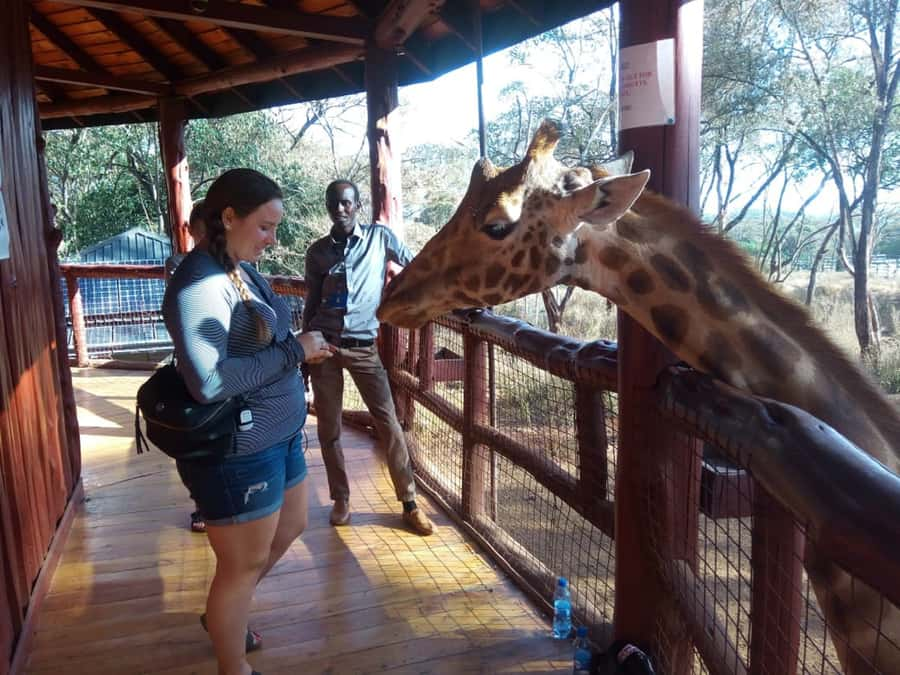
This is a full-day Nairobi trip that begins with a 9:00 AM hotel pickup. You ride in an air-conditioned vehicle, which matters because Nairobi mornings are cool, but the heat can show up fast once the day gets moving. Your driver stays chatty and useful, pointing out landmarks along the route so you are not just sitting in traffic.
The tour has a clear flow: wildlife first, then Karen Blixen, then a shopping stop, and finally the cultural performance at Bomas of Kenya. That order works well if you want your best animal time early, while you still have energy for walking and photo stops later.
One practical note: you are not traveling with unlimited freedom to wander. The plan moves you site to site, which is great if you want a guided day, but it also means you should manage your expectations if you prefer a guide who stays inside every venue with you. Some days can feel like the driver handles the motion, and you handle the walking and visiting.
David Sheldrick Wildlife Trust: baby elephants up close
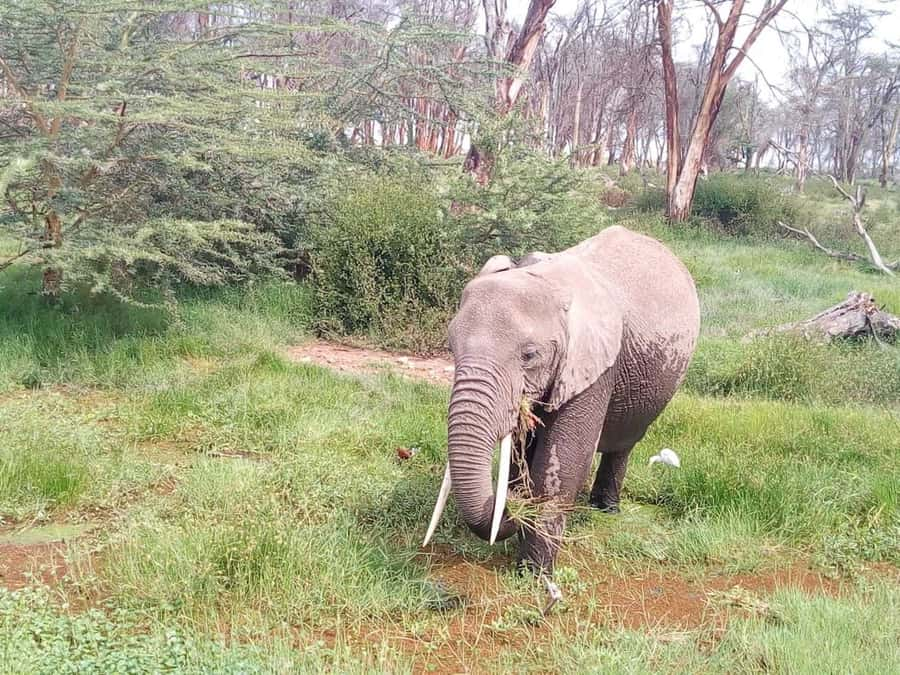
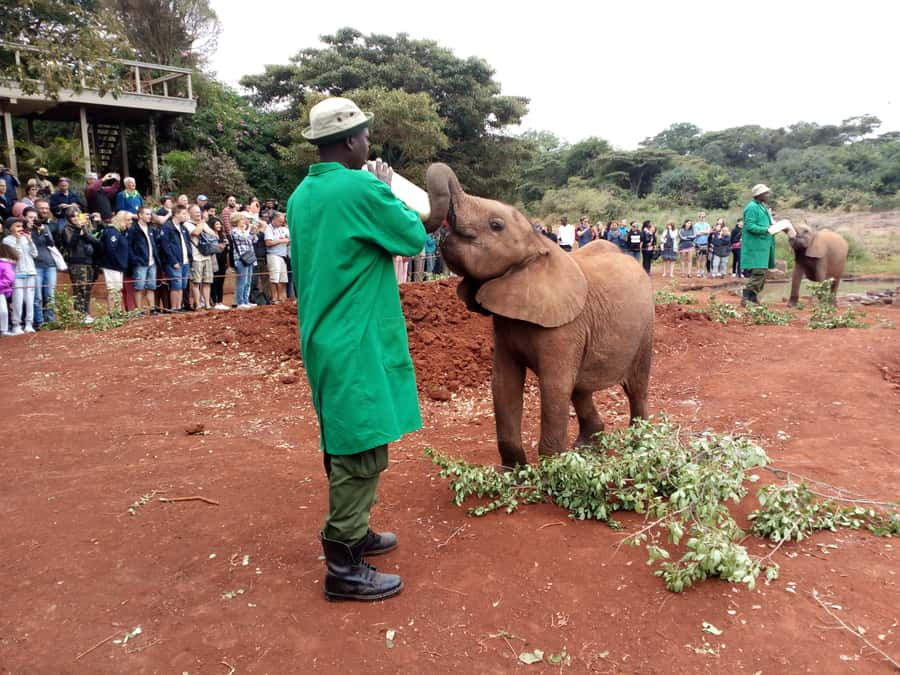
Your first major stop is David Sheldrick Wildlife Trust. This is where the day earns its reputation, because you go specifically for baby elephants and to learn how rescued elephants are cared for. You are not just watching from a distance. The experience is designed to put you close enough to see the scale and details of the work, and to understand that rescue is only step one.
Why this stop is worth your time
- It is focused. You are there for a single, well-defined purpose: rescue, recovery, and daily care of baby elephants.
- It is emotional in a good way. Even if you are not a big wildlife person, it is hard not to care about the routine you see around the animals.
- It sets the tone for the whole day. After the wildlife time, you switch from high-energy animal viewing to the more reflective Karen Blixen portion.
Photo and timing tips
Take your camera out early. You will likely be tempted to wait until you feel settled, but the best moments can come quickly when animals move. Also, keep your attention on your footing. If there are crowds, you will do better if you do not trip while trying to get the perfect shot.
How long should you plan for?
The trust is your opening act, and it is followed by giraffes soon after. So even if you think you will linger forever, the schedule is set up for steady movement. It is still a highlight, but do not plan on an all-day deep rabbit hole here.
Giraffe center feed time and a reality check on scale
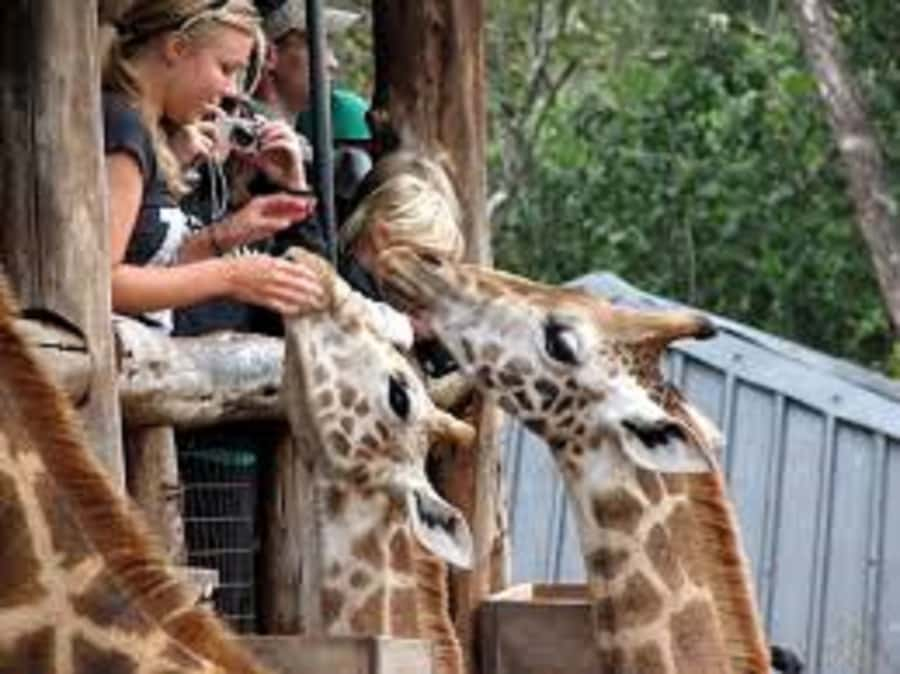
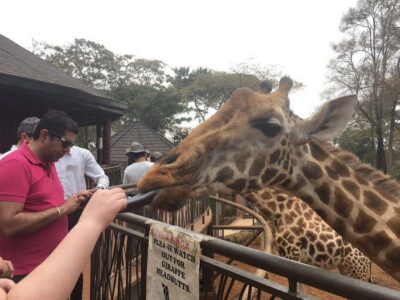
After the elephant start, you head to the giraffe center. This is the part where you get to feed the giraffes, which is both fun and oddly educational. When you can feed an animal yourself, you stop thinking of them as zoo silhouettes and start thinking about their behavior, their reach, and how gentle they can be when they are calm.
What makes this more than a quick photo stop
The giraffes are not just a backdrop. Feeding creates interaction. It is one of those rare “you are doing it, not just watching it” moments, and it is usually why people remember the day.
What to watch for
- Keep a steady grip and follow any directions from staff.
- Expect that the giraffes will come close. That is the point, but it helps to keep your posture relaxed instead of trying to “back away with your hands out.”
- If you are traveling with a camera, think about fast framing, not perfect zoom. These moments move.
If you are traveling with kids or a first-time safari mindset, this stop is a great confidence builder. You learn that seeing animals is not just distant luck, you can have structured moments that feel close and respectful.
Lunch and the Maasai market stop for practical souvenirs
Once the wildlife portion is done, the day shifts to a lunch break and a stop at a market for gifts and souvenirs. The itinerary points to a Maasai market collection for gifts and souvenirs, so you can plan on browsing for small items and local crafts.
Two tips that help you enjoy the browsing part
- Go in with a rough idea of what you want. If you try to window-shop everything, the market can swallow time you might rather spend relaxing.
- Treat it as a chance to bring something small home, not a place to stock up. You are on a packed schedule later.
Food note
Lunch is not included, so you will want to budget for it. That is also why the market stop can feel like a rhythm reset: you get a break from wildlife energy, you eat, and you take a look at crafts before moving on.
Around Karen, the museum house and its grounds
Karen Blixen Museum: the Out of Africa story in plain context
Next is the Karen Blixen Museum, with about two hours on-site. This is one of the most liked parts of the day, because it slows the pace down after animals and gives you a different kind of Nairobi story.
Why I think this museum stop works
You are not only reading the author’s name. You are seeing the life and setting behind the stories. The museum portion is designed around Karen Blixen’s life and history, and it is specifically tied to the author best known for Out of Africa.
What you can expect in the time you have
Two hours is long enough to move through exhibits without feeling rushed, but short enough that it fits neatly into a full-day itinerary. Use that window to take your time with the details that connect to Kenya’s colonial-era literary world. You can also treat this as a mental reset. Wildlife is big and loud in your head. A museum helps you process what you just saw.
One small expectation check
This is a museum visit, not a guided theater performance. If you want lively, constant narration from a guide inside every room, you may or may not get that style depending on how your tour is run that day. Still, the time is set, and you can explore at your own pace.
Bomas of Kenya: 42 tribes, folk songs, and acrobatics
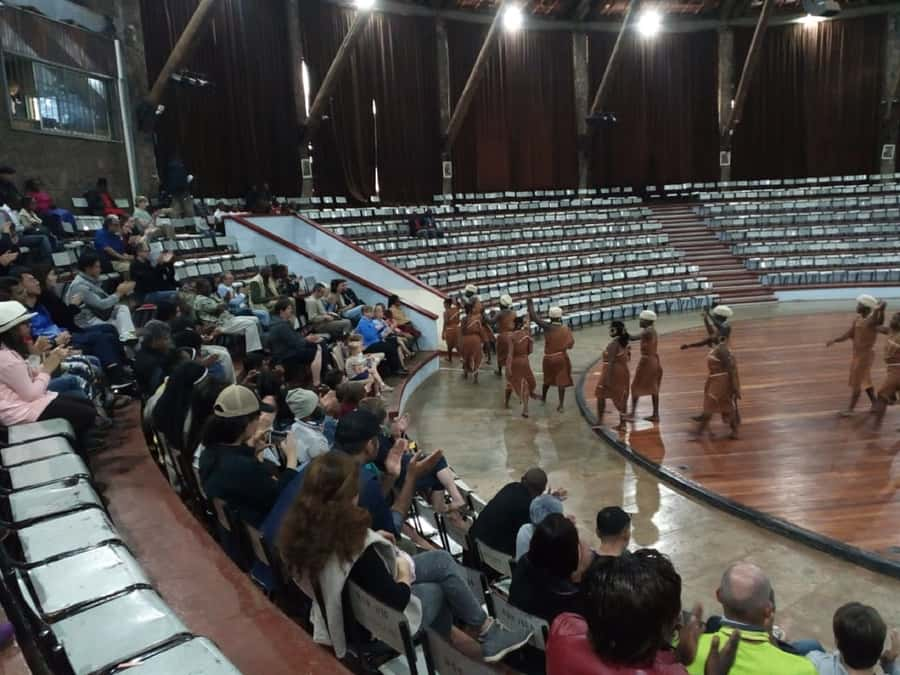
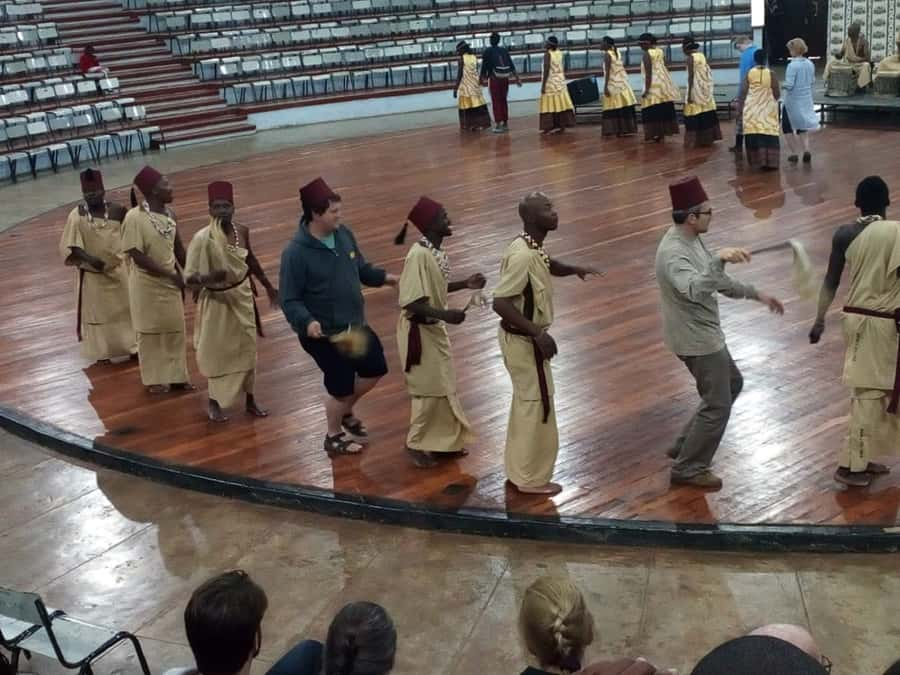
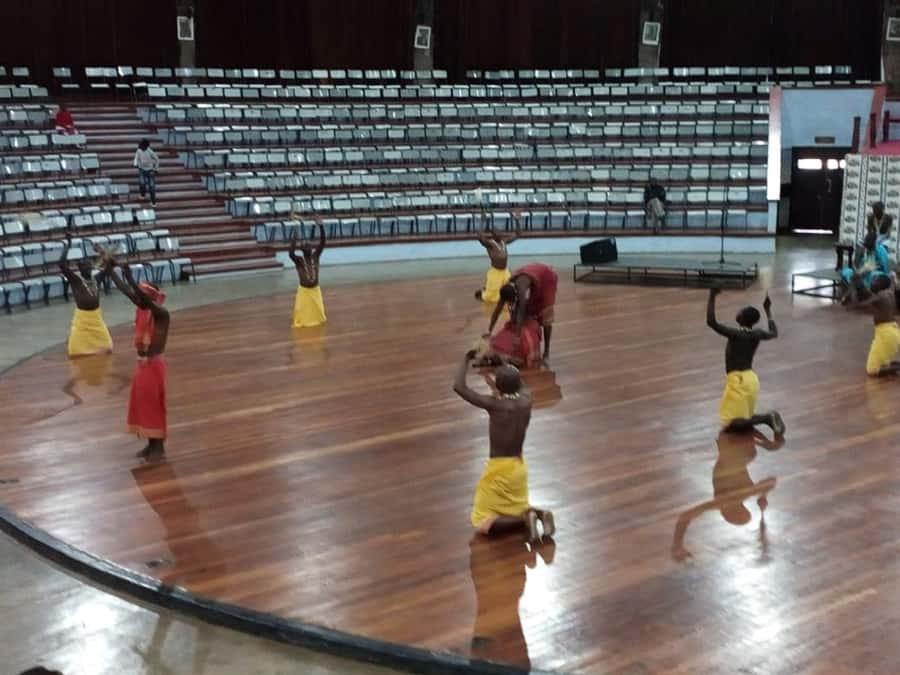
The final stop is Bomas of Kenya, where 42 Kenyan tribes are represented. If Karen Blixen is your quiet chapter, Bomas is your high-connection cultural finale.
Here is what you can count on at Bomas
- Performances of traditional folk songs and acrobatics
- Traditional houses, giving you a glimpse into how communities lived in earlier times
This part is also where you should plan for the late finish. On at least one Sunday setup, the Bomas show runs later in the afternoon and does not end until around 17:15. That means you should treat this as a long day, not a quick city add-on.
Why the show format matters
Staged cultural performances can be a love it or leave it style experience. But Bomas is built around variety and repetition, so you see multiple groups and performance types in one concentrated block. If you want a single afternoon that covers a lot of cultural ground, this is one of the easiest ways to do it without trying to coordinate multiple separate events.
My practical advice for enjoying the performance
Arrive ready to watch, not ready to multitask. Once you are seated, spend your energy on the movement, the rhythm, and the costume details. If you want a photo, wait for a clean moment, then take it and refocus on watching.
Transportation value: what you pay for, what you still need to budget
The price is $80 per person, and your tour includes hotel pickup and drop-off, an English-speaking guide, mineral water, and taxes. That is the main value hook here: you are paying for a managed day and reliable transport between widely spaced sites.
What is not included changes how you should think about total cost
Lunch and drinks are not included, and entrance fees are not included in the tour details. So your final spend will be your base price plus meals and entry costs you pay at the sites.
Is it worth $80?
For a full-day itinerary that combines wildlife access plus a major museum plus a cultural performance, $80 can make sense, especially if you would otherwise pay separately for transport and local entry planning. The biggest value win is convenience. Nairobi is spread out, and doing this chain of stops under one schedule is easier than piecing it together on your own.
Where the value can feel shaky
If you want maximum time at fewer locations, the schedule may feel too packed. Also, if your priority is a guide who personally accompanies you at every entrance, you might want to ask how the guide’s time is allocated. Some tours run with the guide more focused on movement and less on walking inside each venue.
Who this Nairobi day tour suits best
This itinerary fits best if you want a balanced day with clear categories: animals in the morning, literature and history in the middle, and culture in the afternoon.
You will likely enjoy it if you:
- Want a one-day intro to Nairobi wildlife and culture
- Prefer guided logistics from a hotel pickup to a late afternoon return
- Like photo opportunities, especially around elephant and giraffe experiences
- Are curious about Karen Blixen’s connection to Kenya and the stories behind Out of Africa
It might not fit as well if you:
- Hate long days or late finishing times
- Want a highly hands-on guide inside every building
- Travel with lots of luggage, because large bags are not allowed
Also, if you care about continuity of the person who guides you, ask your provider whether there will be any change mid-tour. That can affect how consistent the narration feels.
Small logistics that make a big difference
A few practical points will help your day run smoother.
Bring:
- Passport or ID card
- Camera
Keep in mind:
- No luggage or large bags
- The tour uses an air-conditioned vehicle and includes mineral water
- The guide language is English-speaking, and the broader tour languages listed include English, German, and French
If you are the type who needs time buffers, build in a little patience. This schedule moves from one major site to the next. You are not stuck, you are simply on rails.
Should you book this Nairobi elephants, giraffes, Karen Blixen, and Bomas tour?
I would book it if you want a single full-day plan that reliably covers the big-name Nairobi experiences: baby elephants and giraffes for wildlife, Karen Blixen for literature and context, and Bomas of Kenya for a concentrated cultural performance.
Skip or rethink if your top priority is deep museum time, or if you hate late-afternoon schedules. Also, budget for lunch and entrance fees because the tour price does not cover them, and that can quietly change the total.
If you want one clear decision rule, use this: if you want variety and convenience, this tour is strong. If you want a slower, less structured day, you may feel rushed by the sequence.
If you are ready for that trade-off, you should have a day that mixes emotion, animal moments, and culture in one smooth Nairobi loop.
More at Bomas of Kenya




Out in Karen


Longer at the Giraffe Centre





Everything else we hold on Nairobi
- 7 Days Private 4 star lodges Safari by LandCruiser from Nairobi★ 5.0 · 3 reviews
- 5 Days/4 Nights Kenya Safari★ 4.5 · 3 reviews
- Safari Park Hotel Show & Dinner Experience In Nairobi Tour★ 3.6 · 3 reviews
- Day safari to Olpejeta Rhino conservancy★ 5.0 · 3 reviews
- 7 Days Breathtaking Kenya Wildlife Private Safari★ 5.0 · 3 reviews
- Overnight Amboseli National Park Safari from Nairobi★ 5.0 · 3 reviews
Giraffe Centre Tours, compared.
 ★ 4.8Nairobi: National Park & Optional Elephants & Giraffe CenterFrom $80874 reviews
 ★ 4.5Elephant Orphanage and Giraffe Center Tour with OptionsFrom $35457 reviews
 ★ 4.6Nairobi National Park, Elephant Orphanage and Giraffe CentreFrom $40365 reviews
 ★ 5.0Tour: Giraffe Center and Nairobi National ParkFrom $176299 reviews
 ★ 4.5From Nairobi: Elephant Orphanage and Giraffe Center Day TripFrom $90235 reviews
 ★ 4.5Elephant Orphanage & Giraffe Centre TourFrom $95225 reviews
 ★ 5.0Nairobi national park and Giraffe centerFrom $175171 reviews
 ★ 4.5Day tour to Giraffe Center and Karen Blixen MuseumFrom $95168 reviews
Appears in these lists