
REVIEW · NAIROBI NATIONAL PARK SAFARIS
Elephant Orphanage, Giraffe Centre& optional Nairobi NationalPark
Giraffes and baby elephants, all in a smooth 8-hour plan. I like the hands-on Rothschild giraffe feeding with special pellets and the chance to learn how giraffes live across Kenya and East Africa, plus the careful Sheldrick elephant rehabilitation stories behind each orphan’s path. One thing to plan for, the day can cost more than the $95 headline price because you’ll need extra conservation park fees for elephant access, and Nairobi National Park admission is not included.
This is run as a private group outing with pickup and drop-off, bottled water, and a professional guide. It also includes a stop at Kobe Beads, where you can watch craft-making and see how the center supports single mothers and women empowerment. If you hate tight schedules, note that time is already budgeted for each stop, and the optional park depends on good weather.
In This Review
- Key things I’d plan around
- Giraffe Centre: Rothschild feeding, a Kenya lesson, and a calm nature walk
- Sheldrick Wildlife Trust: milk formula, orphan stories, and what rehabilitation really means
- Kobe Beads Centre: hands-on craft, then lunch or flight drop-off
- Optional Nairobi National Park: Big Five odds, skyline views, and birds that steal the show
- Price and real costs: the $95 fee vs the fees that come later
- What the timing feels like in an 8-hour day
- Best fit: who will enjoy this most
- Tips to make your day smoother
- Should you book this giraffe, elephant, and park combo?
- FAQ
- What is included in the $95 per person price?
- How long is the tour?
- Can I add Nairobi National Park?
- What does the Giraffe Centre stop include?
- What happens at the Sheldrick Wildlife Trust stop?
- Is the Kobe Beads Centre stop included?
- Are conservation fees required for the elephant orphanage?
- What about lunch, tips, and gratuities?
- What is the cancellation policy?
Key things I’d plan around
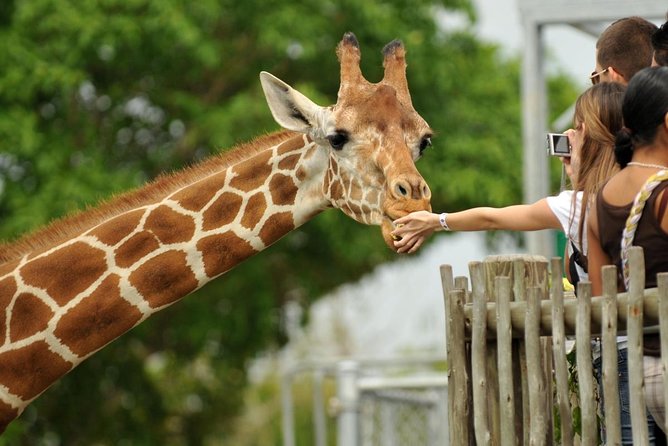
- Rothschild giraffes up close: feed them with special pellets and get a 40-minute lesson on Kenya and East Africa distribution
- Sheldrick’s rehab focus: see baby elephants on specially formulated milk and hear how they’re cared for and reintroduced
- A timed, spot-on elephant viewing: you’re guided to a strategic area to watch babies pass by and interact
- Kobe Beads with a purpose: watch how beads are made and learn how the center supports parents in nearby neighborhoods
- Optional Nairobi National Park: big wildlife in city view range, with a skyline backdrop and chances at four Big Five species
Small park, crowded operator list. See the remainder

Giraffe Centre: Rothschild feeding, a Kenya lesson, and a calm nature walk
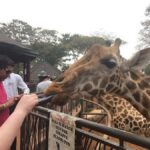
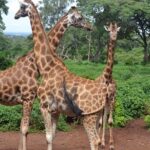
The day starts at the Giraffe Centre, where the focus is very specifically the Rothschilds giraffe, an endangered giraffe subspecies in East Africa. You get a personal, face-to-face experience, not just photo stops. You’ll learn basics like characteristics and behavioral traits, and you’ll also get the wider picture of giraffe geographic distribution in Kenya and across East Africa.
The highlight is feeding with special pellets. It’s simple, but it’s also one of those moments that makes you slow down and watch how the animals act when they’re comfortable. You’ll be able to take photos while they feed, and the center also offers a guided nature walk through the sanctuary area. That walk is a nice contrast to the quick intensity of animal viewing, and it helps you understand the space the giraffes live in.
A 40-minute class session is part of the stop, and I like that it’s built into the flow. It turns the feeding moment into something you can connect to: where this species fits and why conservation matters in Kenya. If you’re traveling with kids, this is also where they usually “get it” fast, because they can connect a concept to a living animal standing right there.
Possible drawback: this part runs on a set schedule, so if you’re the type who wants total free time for photos, you may feel a bit timeboxed. Still, it’s not rushed to the point of feeling chaotic. It’s more like structured wildlife education that still leaves room to watch.
Sheldrick Wildlife Trust: milk formula, orphan stories, and what rehabilitation really means
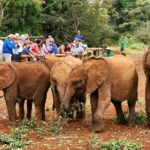
Next is the David Sheldrick Wildlife Trust stop, one of Kenya’s best-known elephant rehabilitation programs. The key here is understanding that these are not zoo-style performances. You’re seeing a rehab setting, and the tour gives the background on how each young elephant ended up there, plus what care looks like day to day.
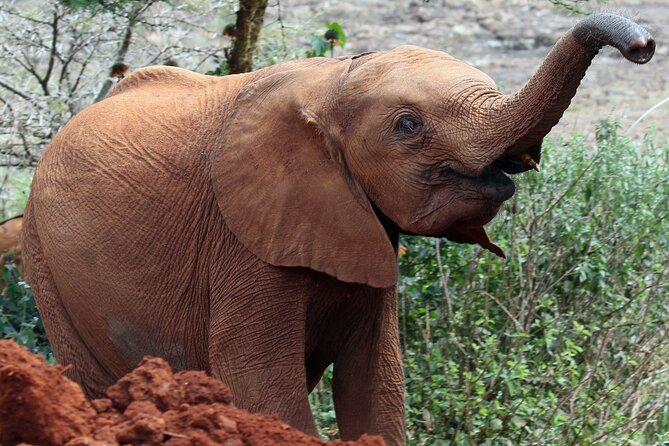
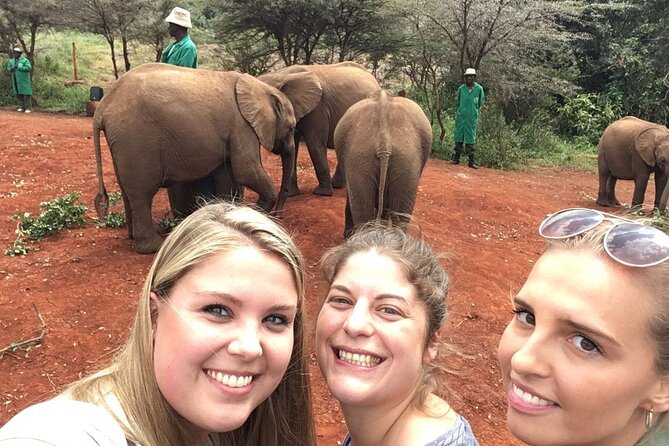
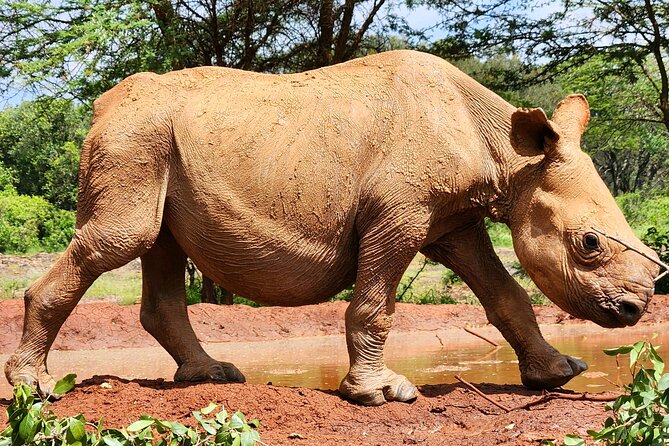
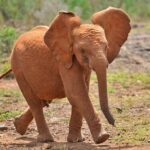
You’ll meet the orphaned baby elephants receiving their specially formulated milk formula. Depending on where you stand and how close the babies are to you, there may be an opportunity to touch them. Even if you don’t get that exact moment, you’ll still see how close human care is to the babies’ routine.
What I appreciate most is the storytelling angle. Instead of just naming elephants, you hear why each one is at the sanctuary and how the next stage is planned, including the process of reintroduction back into the wild. That matters because it reframes the whole encounter. You’re not just watching adorable babies, you’re seeing conservation work with a long timeline.
Possible drawback: elephant orphanage areas can feel emotional. If you’re sensitive to animal stories, prepare for that. It can also mean your experience hinges on daily conditions, like the babies’ schedule and movement. But the focus stays respectful and educational.
Kobe Beads Centre: hands-on craft, then lunch or flight drop-off
After the wildlife stops, the itinerary shifts gears to Kobe Beads Centre. This is a pottery and bead-making stop where you’ll be taken through stages from the start to the finish. I like this kind of timing because it gives your brain a rest from animals, while still keeping the experience grounded in real people doing real work.
There’s also a strong community impact angle. The center is described as a charity that employs single parents from poorer neighborhoods, so the work supports families. It’s also framed as women empowerment through skills and income. If you like ethical travel that isn’t just a signboard, this is a tangible way to connect your ticket day with local livelihoods.
You have an option around lunch and timing. The plan includes the possibility to be driven for lunch, and then later you can be dropped at your hotel or at the airport for a flight. That flexibility is useful in Nairobi, where schedules can get tight.
This stop is shorter, about 30 minutes. That can feel perfect if you want one quick cultural stop, not a whole extra half-day. If you’re hoping to shop for lots of items or linger for long, you might want to do that right away rather than assuming you’ll have unlimited time.
Optional Nairobi National Park: Big Five odds, skyline views, and birds that steal the show
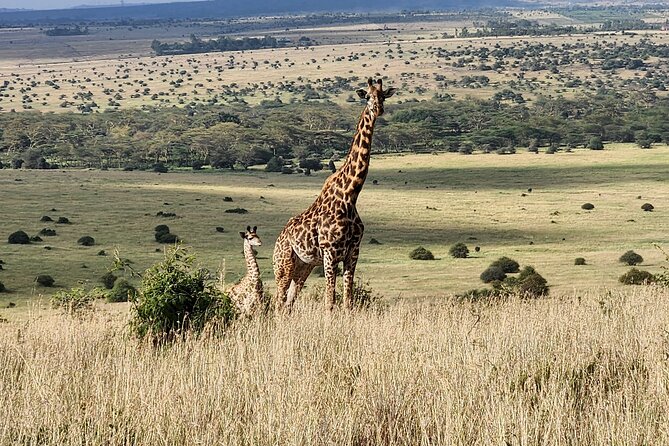
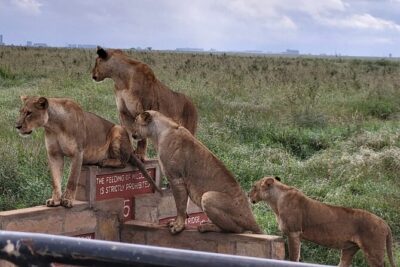
If you choose Nairobi National Park, you’ll get a full wildlife chunk on the same day. The park is only about 7 kilometers from Nairobi’s city center, which is why you get the unusual experience of safari animals with tall buildings as a backdrop.
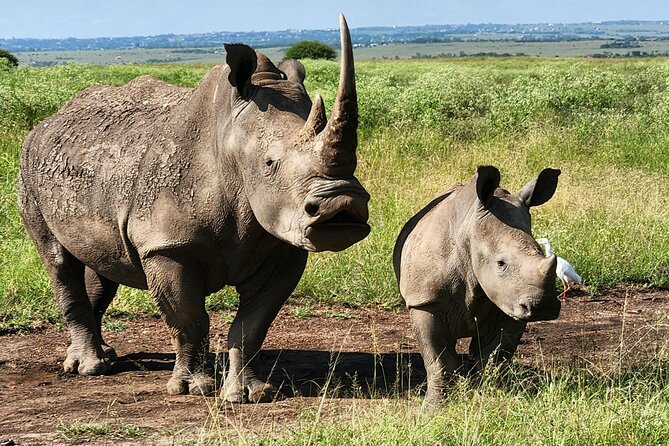
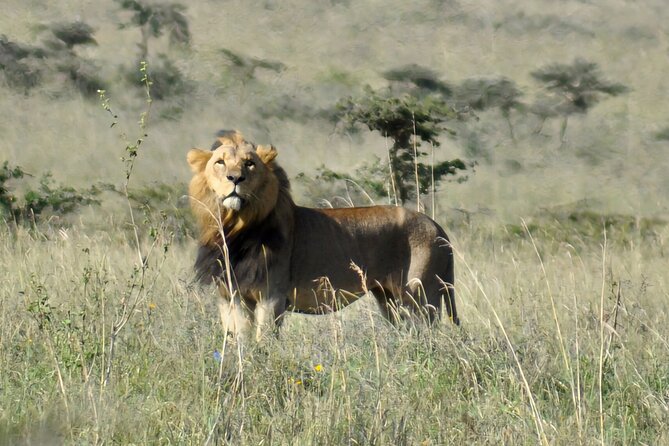
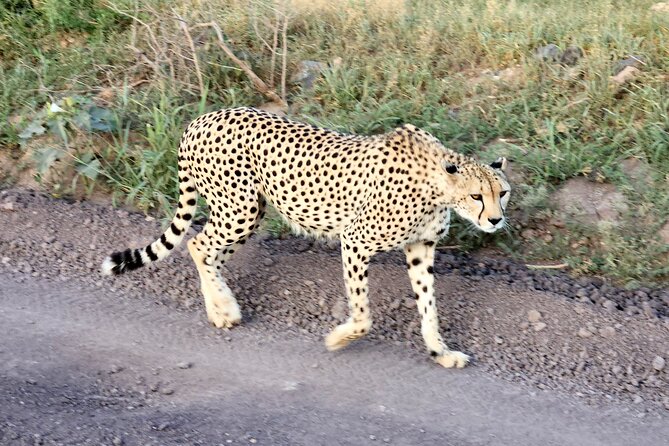
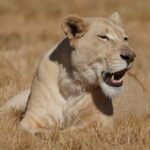
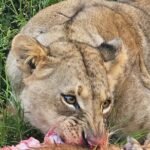
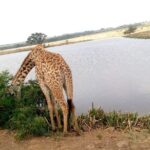
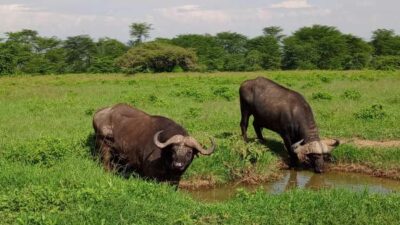
The plan calls out chances to see four of the Big Five species, with the exception of elephants. You may spot rhino, buffalo, cheetah, zebra, giraffe, lion, and plenty of antelopes and gazelles. And because Nairobi National Park is also a birding hotspot, you’re told there are over 300 bird species. The list includes secretary birds, crowned cranes, vultures, and peckers.
A key practical note: this park option is weather dependent. If conditions aren’t good, the park portion may be canceled or shifted. That matters because wildlife visibility and viewing comfort can drop fast with rain or poor visibility.
Inside the plan, after you enjoy the park, you proceed to an elephant sanctuary within the park and enjoy baby elephants. So for anyone craving more elephant time, the optional add-on delivers it in a single continuous day.
Possible drawback: adding Nairobi National Park stretches the day. You’re already on an 8-hour plan, and the park itself is listed as about 4 hours. That’s a lot of movement and looking time for one day, especially if you’re sensitive to road time in traffic.
The Giraffe Centre sits inside many itineraries. Others
Price and real costs: the $95 fee vs the fees that come later
The tour price is listed at $95 per person, and that includes private transportation, bottled water, a professional guide, pickup and drop-off, plus entry at the Giraffe Centre and the elephant orphanage. That’s a solid base because it removes the hassle of coordinating separate tickets and transport.
But budget with the extra fees in mind. The data specifies a conservation park fee for adults of US$43 (and US$23 for children) that is required to access the elephant orphanage. It’s also paid through the E-CITIZEN online platform, and importantly, cash is not accepted. So if you wait until the last minute, you could create stress for yourself at the gate or in the lead-up. If you want your day to feel relaxed, you’ll want that online payment handled ahead of time.
Lunch is not included, but it can be purchased if you want it. Tips and gratuities are also not included. Nairobi can be the kind of place where small, extra costs pop up, so treat those as part of your planning.
If you add Nairobi National Park, admission is not included. The amount you pay will depend on the park fee structure at the time of travel, so consider it a separate line item.
Value check: paying $95 for two major animal experiences with included guiding and transport is a strong deal, as long as you budget the elephant access fee and any extra park admission. The private format also tends to make a big difference. You don’t have to fight for your place in a crowd, and your guide can manage timing around your group.
What the timing feels like in an 8-hour day
This experience is set for about 8 hours. The stop durations are clearly paced:
- Giraffe Centre: 2 hours
- Sheldrick Wildlife Trust: 1 hour
- Kobe Beads: 30 minutes
- Nairobi National Park: 4 hours if you choose it
Those pieces are meant to line up so you can see a lot without turning the day into pure driving. Still, you’ll want to treat this as a full day with a start early enough for the wildlife rhythm.
The order is practical too. You start with giraffes, move to elephants, then do the craft stop when you’re likely ready for a mental reset. If you include Nairobi National Park, you’ll then shift into a longer viewing window and finish with more baby-elephant time in the park setting.
Best fit: who will enjoy this most
This tour is a great fit for:
- People who want two high-impact animal experiences without juggling multiple days
- Families with kids who can handle a planned schedule and like hands-on feeding moments
- Travelers who care about conservation work, not just selfies
- Anyone who wants an ethical, local community craft stop between wildlife parts
It may not be ideal if:
- You hate scheduled time blocks and want fully unstructured wandering
- You’re trying to keep the day extremely low on emotions, since elephant stories can hit hard
- You’re traveling when weather is unreliable, since the park option depends on good conditions
Tips to make your day smoother
Here’s how to get the most from the experience you’re signing up for.
- Plan your E-CITIZEN conservation fee payment ahead of time, because no cash is accepted.
- Wear closed-toe shoes. You’ll be walking and standing for animal viewing.
- Bring water and sun protection even though bottled water is provided. Nairobi light can be intense.
- If you’re adding Nairobi National Park, keep expectations flexible. You’re seeing wildlife in real conditions, not a guarantee list.
- If you have a flight later, ask early about your timing after Kobe Beads, since the plan mentions possible drop-off at the airport.
One more practical point from what people highlight: the guide can make a big difference in how the day feels. In one account, the guide Sam was praised for being kind and for driving well, which matters when you’re traveling between multiple locations in one day.
Should you book this giraffe, elephant, and park combo?
If you want an efficient Nairobi day with clear conservation focus, this is a strong choice. The structure is sensible: giraffes with direct feeding and a short lesson, then elephants with rehab context, then a meaningful craft stop, with the optional park add-on for skyline safari energy.
I’d book it if you:
- Like organized wildlife encounters that also explain why conservation work matters
- Want private pickup, transport, and a guide handling the timing
- Are okay paying extra fees for elephant access and possibly park entry
I’d think twice if:
- You’re strict about total cost and hate add-on fees
- You are traveling when weather is likely poor and you really want the Nairobi National Park portion
Overall, it’s the kind of day that makes sense for first-timers to Nairobi who want a real taste of Kenya’s wildlife world, plus a local community stop that goes beyond souvenirs.
FAQ
What is included in the $95 per person price?
The price includes private transportation, bottled drinking water, a professional tour guide, pickup and drop-off, and entry/admission at the Giraffe Centre and elephant orphanage.
How long is the tour?
The duration is listed as about 8 hours.
Can I add Nairobi National Park?
Yes, Nairobi National Park is optional. It’s listed as about 4 hours, and admission is not included.
What does the Giraffe Centre stop include?
You can interact with Rothschild giraffes, feed them using special pellets, take part in a 40-minute class on giraffe distribution, and you may join a guided nature walk. Admission is included.
What happens at the Sheldrick Wildlife Trust stop?
You’ll see orphaned baby elephants receiving specially formulated milk formula. The tour also includes information on their stories and care, including the process of re-introduction back into the wild. Admission is included, and there may be a chance to touch elephants if you are close enough.
Is the Kobe Beads Centre stop included?
Yes, Kobe Beads Centre is included in the route. Admission is listed as free, and you’ll be taken through stages of the craft process.
Are conservation fees required for the elephant orphanage?
Yes. A conservation park fee is required to access the elephant orphanage, paid through the E-CITIZEN online platform. Cash is not accepted.
What about lunch, tips, and gratuities?
Lunch is available for purchase, but it is not included. Tips and gratuities are not included.
What is the cancellation policy?
You can cancel for a full refund up to 24 hours before the experience starts. The experience requires good weather, and if it’s canceled due to poor weather, you’ll be offered a different date or a full refund.
Back at the Elephant Nursery

Longer at the Giraffe Centre

That Park on the City Boundary

Everything else we hold on Nairobi
- 7 Days Private 4 star lodges Safari by LandCruiser from Nairobi★ 5.0 · 3 reviews
- 5 Days/4 Nights Kenya Safari★ 4.5 · 3 reviews
- Safari Park Hotel Show & Dinner Experience In Nairobi Tour★ 3.6 · 3 reviews
- Day safari to Olpejeta Rhino conservancy★ 5.0 · 3 reviews
- 7 Days Breathtaking Kenya Wildlife Private Safari★ 5.0 · 3 reviews
- Overnight Amboseli National Park Safari from Nairobi★ 5.0 · 3 reviews
Nairobi National Park Safaris, compared.
 ★ 4.5Nairobi National Park Half-Day Game DriveFrom $36738 reviews
 ★ 4.5Safari Tour; Nairobi National ParkFrom $43594 reviews
 ★ 4.5Nairobi National Park 5-hour Guided Game Drive Free Pick upFrom $37367 reviews
 ★ 4.6Nairobi National Park, Elephant Orphanage and Giraffe CentreFrom $40365 reviews
 ★ 5.0Tour: Giraffe Center and Nairobi National ParkFrom $176299 reviews
 ★ 4.5Half-Day Nairobi National Park Safari from Nairobi with Free PickupFrom $44264 reviews
 ★ 4.7Nairobi National Park Full or Half-Day Tour with GuideFrom $185217 reviews
 ★ 5.0Nairobi National Park Daily Game drives.From $60205 reviews
Appears in these lists